Oil prices fell sharply on Wednesday, with investors responding to the results of the US midterm elections and considering their impact on the conflict involving Iran, as well as the broader
Oil prices fell sharply on Wednesday, with investors responding to the results of the US midterm elections and considering their impact on the conflict involving Iran, as well as the broader outlook for global energy supplies.
Oil prices see major decline amid geopolitical uncertainty
Brent crude dropped 8.8% to $94.47 per barrel, while US West Texas Intermediate (WTI) futures fell 8.74% to $87.70. The decline pushed Brent below the $100 threshold, marking its lowest point since September 4.
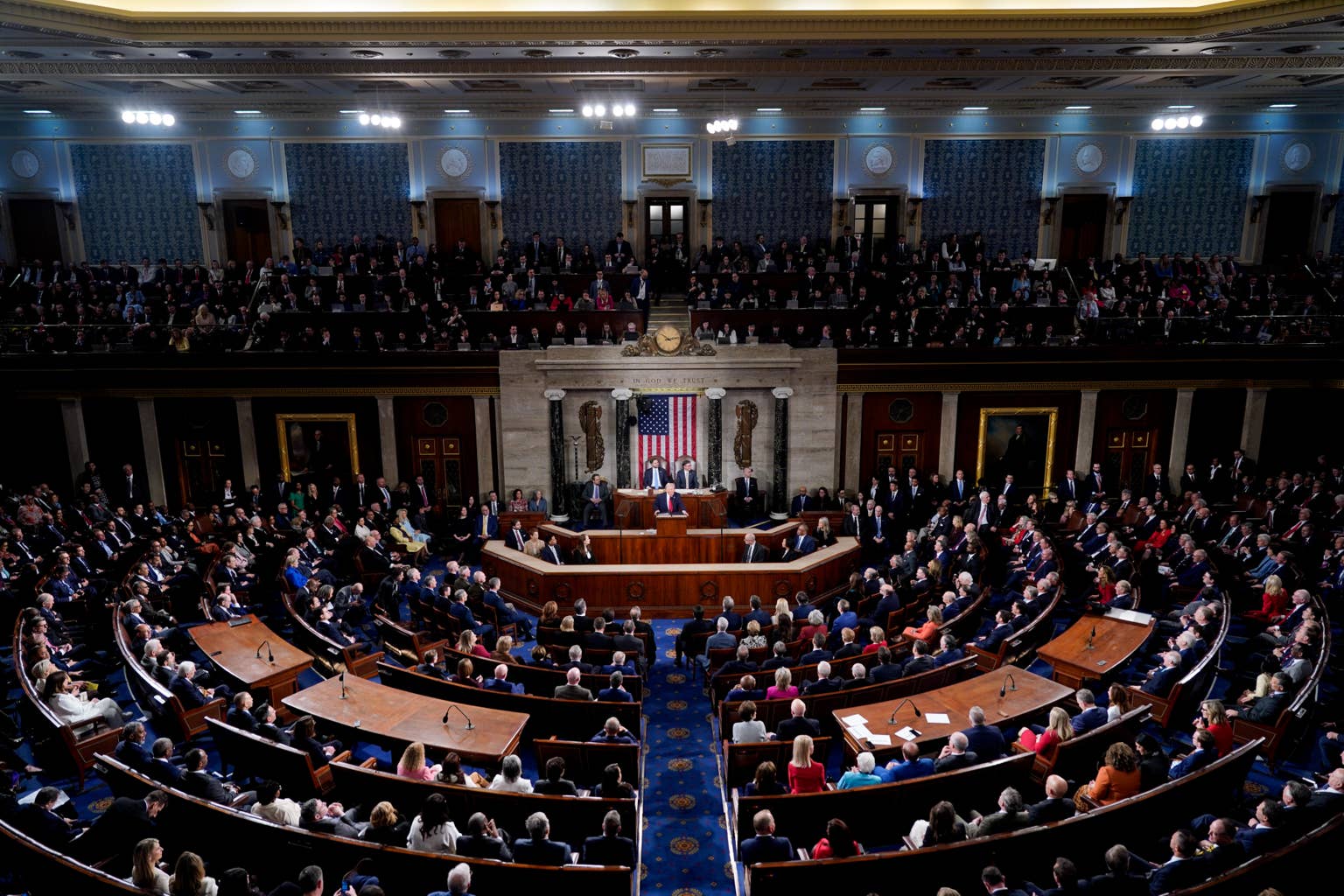
Investors evaluated the implications of the Democratic Party’s victories, which saw the party secure control of both houses of Congress. President Donald Trump stated that the United States had no immediate plans for military action against Iran, which has played a key role in regional tensions.
The election outcome increased expectations that Washington could pursue diplomatic solutions regarding Iran, though significant uncertainties remain. An Iranian official cautioned that Tehran and Washington were still distant from reaching an agreement.
Elsewhere, Qatar intensified mediation efforts to de-escalate the situation. In Yemen, the Houthi movement claimed responsibility for targeting King Khalid International Airport in Riyadh, though Saudi authorities had not confirmed any attack.
Energy market participants also tracked supply figures closely. Gulf countries exported an average of 17.1 million barrels per day of crude, condensate, and refined products in October, down from September’s 18.9 million barrels per day but still roughly three-quarters of pre-war output.
US crude inventories decreased by 865,000 barrels to 409.8 million barrels for the week ending October 30, according to the Energy Information Administration.
Oil prices saw their steepest drop in months as investors reassessed regional stability and future supply after Democrats gained control of Congress. Political shifts and threats of escalation in the Middle East continued to weigh on market sentiment.
Commodity
Current Price
Change
Reference Level
Brent crude
$94.47/barrel
-8.8%
Lowest since Sep 4
WTI crude
$87.70/barrel
-8.74%
N/A
Gold (spot)
$4,059.39/oz
+3.34%
Above $4,000
Gold jumps as dollar weakens following election results
Gold prices rallied more than 3% as the US dollar hit its lowest point in over a month, benefiting buyers using other currencies and boosting global demand for the metal.
Spot gold rose 3.34% to $4,059.39 an ounce, and US gold futures for December delivery finished up 3.36% at $4,072.30. This put gold on course for its largest single-day gain since August, reversing losses that saw spot prices dip to $3,869.85 on October 30.
The declining dollar followed the Democratic Party’s consolidation of congressional control, prompting market participants to reassess potential shifts in US monetary policy. Investors are now focused on upcoming US nonfarm payrolls data for insights into the Federal Reserve’s next rate move. According to CME Group’s FedWatch tool, traders assigned an 83% probability to a rate hike in December.
Other precious metals were also higher on the day, reflecting broader investor demand for alternatives to the dollar amid political and economic uncertainty.
Gold gained more than 3% amid a weaker dollar, as traders anticipated possible changes to Federal Reserve policy and tracked new political dynamics following the midterms.
Elon Musk businesses face market pressure after Democratic wins
Shares of SpaceX and Tesla dropped after Democratic victories fueled concerns over potential regulatory challenges and increased congressional scrutiny for companies run by Elon Musk. SpaceX, which operates as a leading private spaceflight company, saw shares fall more than 4.9%, while electric vehicle manufacturer Tesla declined over 2.3%, even as broader equity markets advanced.
Musk provided roughly $474 million in support to Republican candidates and affiliated organizations during the election cycle. Several of his favored candidates, including Texas Attorney General Ken Paxton and Ohio’s Vivek Ramaswamy, were unsuccessful in their bids.
Texas is a key state for Musk’s operations, home to Tesla’s main US vehicle facility and SpaceX’s Starbase launch site. Democrat Gina Hinojosa’s gubernatorial win may lead to greater challenges for Musk’s expansion plans, given her stance against corporate subsidies and support for stricter data center regulations.
Market participants are also monitoring possible regulatory reviews affecting both Musk’s current businesses and any potential future merger between SpaceX and Tesla.
Mini dictionary: SpaceX is a private US aerospace business led by Elon Musk, specializing in commercial rocket launches, satellite deployment, and deep space transport projects.
Alphabet expands voluntary buyout program as AI investments surge
Alphabet, the parent company of Google, extended its voluntary employee buyout program to Canada, France, Germany, Japan, and Switzerland as part of ongoing efforts to manage costs amid significant investment in artificial intelligence infrastructure.
The company initiated expanded exit offers for employees in June, although it provided no data on the number of participants. Previous rounds of voluntary exits began in 2025 and were later offered in the US and UK.
Alphabet’s move comes as several major technology firms reevaluate workforce costs to accommodate rising capital spending in artificial intelligence. Competitors including Microsoft, Meta, Amazon, and Oracle have also executed job cuts or buyout initiatives in connection with their AI expansion strategies.
Alphabet reported $51.4 billion in capital expenditures for the third quarter, more than twice the figure from a year earlier. Free cash flow slipped into negative territory at $9.1 billion, reflecting record infrastructure spending, inventory growth for its Tensor Processing Unit (TPU) systems, and payments linked to a European Commission regulatory decision.
Mini dictionary: Alphabet is the parent company of Google and several other technology subsidiaries. Its buyout programs offer selected employees incentives to voluntarily leave, while its heavy AI spending includes investment in custom hardware such as Tensor Processing Units (TPUs).
The post Oil drops 9%, gold climbs 3% as Democratic election wins reshape market outlook appeared first on COINTURK NEWS.