Africa has 7,600 cities. Startup investors know 15 of them. That is the core argument of AyaHQ’s first-ever impact report, released this week by the Techstars-backed builder community. Accord
Africa has 7,600 cities. Startup investors know 15 of them. That is the core argument of AyaHQ’s first-ever impact report, released this week by the Techstars-backed builder community.
According to founder and CEO Eric Annan, venture capital consistently flows into the same cluster of cities: Lagos, Nairobi, Cairo, Cape Town, Dakar, Kigali, Tunis, Accra, Algiers, Casablanca, Abidjan, Dar es Salaam, Johannesburg, Addis Ababa, and Kampala, while the remaining 7,585 urban centres on the continent are largely ignored by the capital that could transform them.
The report, titled “Building Africa’s Builder Generation“ and aligned with the United Nations Sustainable Development Goals, is AyaHQ’s honest account of three years of operation, what worked, what did not, and what it is building toward.
The concern the report raises is not theoretical. African startup funding is already concentrated and contracting.
According to data tracked by Technext, African startups raised $708 million in the first four months of 2026, down 13% from the $813 million raised in the same period in 2025. More troublingly, the number of startups attracting that funding fell from 180 to just 124, a 31% decline. The money is flowing, but it is flowing to fewer places and fewer people. In April alone, only 32 startups raised funding across the entire continent, the lowest monthly count in a year.
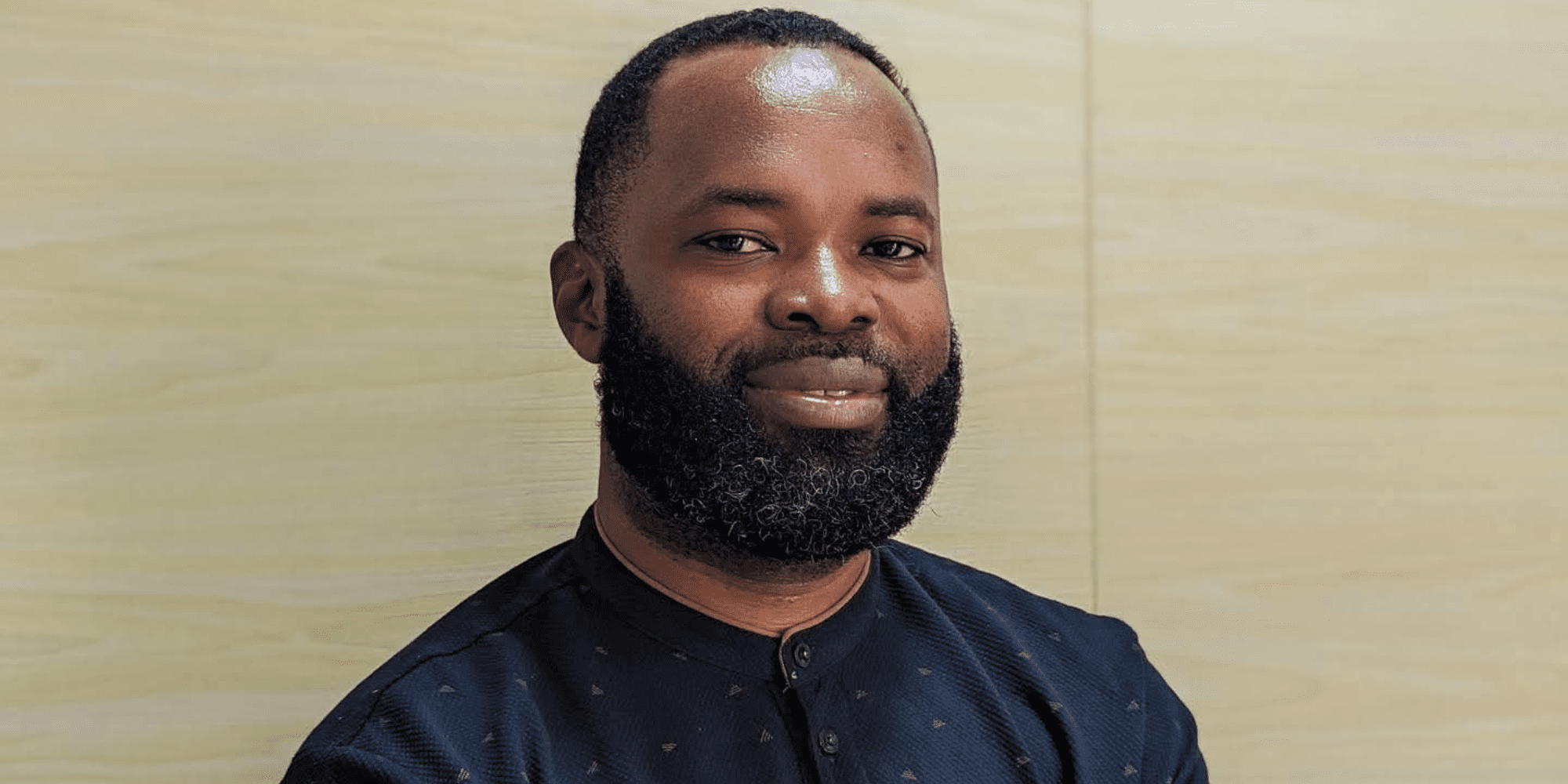
Eric Annan, founder and CEO of Aya HQ
Women-led startups are feeling this most acutely. Female founders and CEOs raised just $49 million in the first quarter of 2026, 8.2% of the total, down 56% from the same period in 2025. The number of deals involving women leaders fell from 46 to just 20.
Against that backdrop, AyaHQ is operating in what it calls the gap.
What 3 years of startup building produced for AyaHQ
Since 2022, AyaHQ has run five programme cohorts, supported more than 80 startups spanning 34 countries, and deployed over $500,000 in grant and equity funding. The alumni of those programmes have collectively processed more than $5 million in transactions and generated over $200,000 in revenue, a roughly 10x economic multiplier on the capital deployed.
The organisation runs physical builder hubs in Abokobi, Ghana, and Kilifi, Kenya. The Accra hub hosted 765 builders from eight countries in 2025. The Kilifi hub, opened in January 2025, hosted 600 builders from 16 countries and ran a technology pilot in secondary schools. Both exceeded their internal targets for the year.
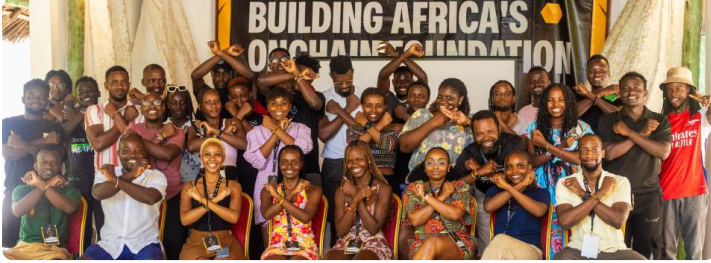
AyaHQ’s ZuAfrique 1.0 in Kenya
AyaHQ has also run pop-up residency events: MuAccra in 2024 (284 participants), ZuAfrique 1.0 in 2025 (60 residents), and ZuAfrique 2.0 in 2026 (40 residents). The report describes them as collaborative deep dives focused on the human side of building, community leadership and cross-border ecosystem partnerships.
That is the kind of trust that only forms when people are physically in the same room.
The training arm, AyaVersity, has graduated 112 fellows and reached over 30,000 young people across Africa. The programme teaches both software engineering and what AyaHQ calls the PACE framework: problem-solving, adaptability, creativity, and empathy, with a 40% historical female graduation rate across all cohorts, reaching a female majority of 54% in its second cohort.

funding
The report also points out what hasn’t worked. Relying heavily on Web3 funding has made planning difficult. High dropout rates, caused by poor internet and limited device access, remain a persistent problem. Tracking alumni after graduation is inconsistent, and legal issues slowed down one incubation cohort.
AyaHQ says it’s actively working on all four.
The plan for 2030 is to expand the physical hub model into Francophone West Africa, East Africa, and Southern Africa, create a reliable investor pipeline for founders, and track at least 500 alumni over time. Annan emphasised that this isn’t charity; it’s an invitation to partner with DFIs, impact funds, and institutional investors to bet that Africa’s next wave of innovation will come from beyond the usual well-known cities.
Also read: Funding: 32 African startups raised $110m in April, the lowest in 12 months