Osmosis DEX Guide: Cross-Chain Trading & OSMO Token Osmosis is a leading decentralized exchange (DEX) in the Cosmos ecosystem that enables fast, secure cross-chain trading via the IBC protoco
Osmosis DEX Guide: Cross-Chain Trading & OSMO Token
Osmosis is a leading decentralized exchange (DEX) in the Cosmos ecosystem that enables fast, secure cross-chain trading via the IBC protocol. Users can swap assets across multiple blockchains while maintaining full control of their funds. Powered by the OSMO token, the platform supports governance, staking rewards, and transaction fees. With features like concentrated liquidity, Superfluid Staking, and seamless cross-chain transfers, it has become a popular destination for traders and DeFi users in 2026.
What Is Osmosis?
Osmosis is a decentralized exchange. It lets you swap tokens across different blockchains. Think of it as the trading hub for the Cosmos universe. Unlike regular exchanges, it doesn't need middlemen. You keep control of your funds. The protocol handles everything through smart contracts.
Why Does Cross-Chain Matter?
Most blockchains don't talk to each other. Your Ethereum tokens can't move to Solana easily. This creates walled gardens in crypto.
Osmosis solves this with IBC. IBC stands for Inter-Blockchain Communication. It's a protocol that lets separate chains transfer tokens safely. Over 50 chains connect to Osmosis today. You can swap assets from any of them in seconds.
How Trading Works on Osmosis
You connect a wallet like Keplr or Leap. Then you pick the tokens you want to swap. The protocol finds the best route automatically.
It uses something called concentrated liquidity. Liquidity providers can focus their funds on specific price ranges. This means less slippage for traders.
Slippage is the difference between the expected and actual price. Lower slippage saves you money.
The OSMO Token Explained
OSMO powers the entire Osmosis network. It serves three main purposes:
- Governance: its holders vote on protocol changes
Staking: Lock it to earn rewards and secure the network
Fees: Pay transaction costs (though fee abstraction lets you pay in other tokens too)
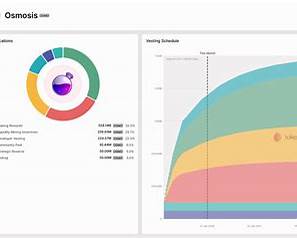
OSMO Tokenomics Breakdown
Understanding OSMO's economics helps you make smarter decisions.
Supply Details
The max supply of it has 1 billion tokens. New tokens are released daily through inflation. This inflation decreases by one-third each year.
Distribution at Launch
Here's how OSMO was initially distributed:
Current Inflation
Inflation started at 300 million OSMO per year. It drops annually. By 2026, the rate sits around 10% and continues falling.
Staking Rewards
Stakers earn roughly 8–12% APR. The exact rate depends on how much OSMO is staked network-wide. More stakers mean lower individual rewards.
Fee Revenue
Transaction fees flow partly to stakers. ProtoRev, the protocol's arbitrage module, also generates revenue. This goes back to the community pool.
What Makes Osmosis Different?Fee Abstraction
Don't have it for gas? No problem. Fee abstraction lets you pay fees in any supported token. The protocol swaps it to behind the scenes.
ProtoRev
Arbitrage bots usually extract value from traders. ProtoRev captures that value instead. It made over $2 million for the protocol in 2025.
Superfluid Staking
Most DEXs force a choice. Stake tokens or provide liquidity. It lets you do both. Superfluid staking means your LP tokens can earn staking rewards too. Your capital works twice as hard.
Getting Started in 5 Minutes
Ready to try on? Here's your quickstart:
Install a Cosmos wallet (Keplr works best)
Get some OSMO or ATOM from an exchange
Send it to your wallet address
Visit app. osmosis. zone
Connect your wallet and start swapping
Your first trade takes about 6 seconds. Fees cost under $0.10.
Who Should Use Osmosis?
It fits different user types. Traders get access to tokens from 50+ chains. One interface replaces a dozen exchanges.
Yield farmers can provide liquidity and earn fees. Concentrated liquidity pools offer higher returns. Long-term holdersstake OSMO for passive income. Governance participation lets you shape the protocol's future.
What Are the Risks?
Every DeFi protocol carries risks. Here's what to watch:
Smart contract bugs could drain funds. It has multiple audits, but no code is perfect. Impermanent loss affects liquidity providers. Your position can lose value compared to just holding. Token price volatility means it could drop. Only invest what you can afford to lose.
Disclaimer: This content is for informational purposes only and is not financial advice. Cryptocurrency and DeFi investments carry risks, including potential loss of capital. Always do your own research before investing. We are not affiliated with Osmosis or the OSMO token.