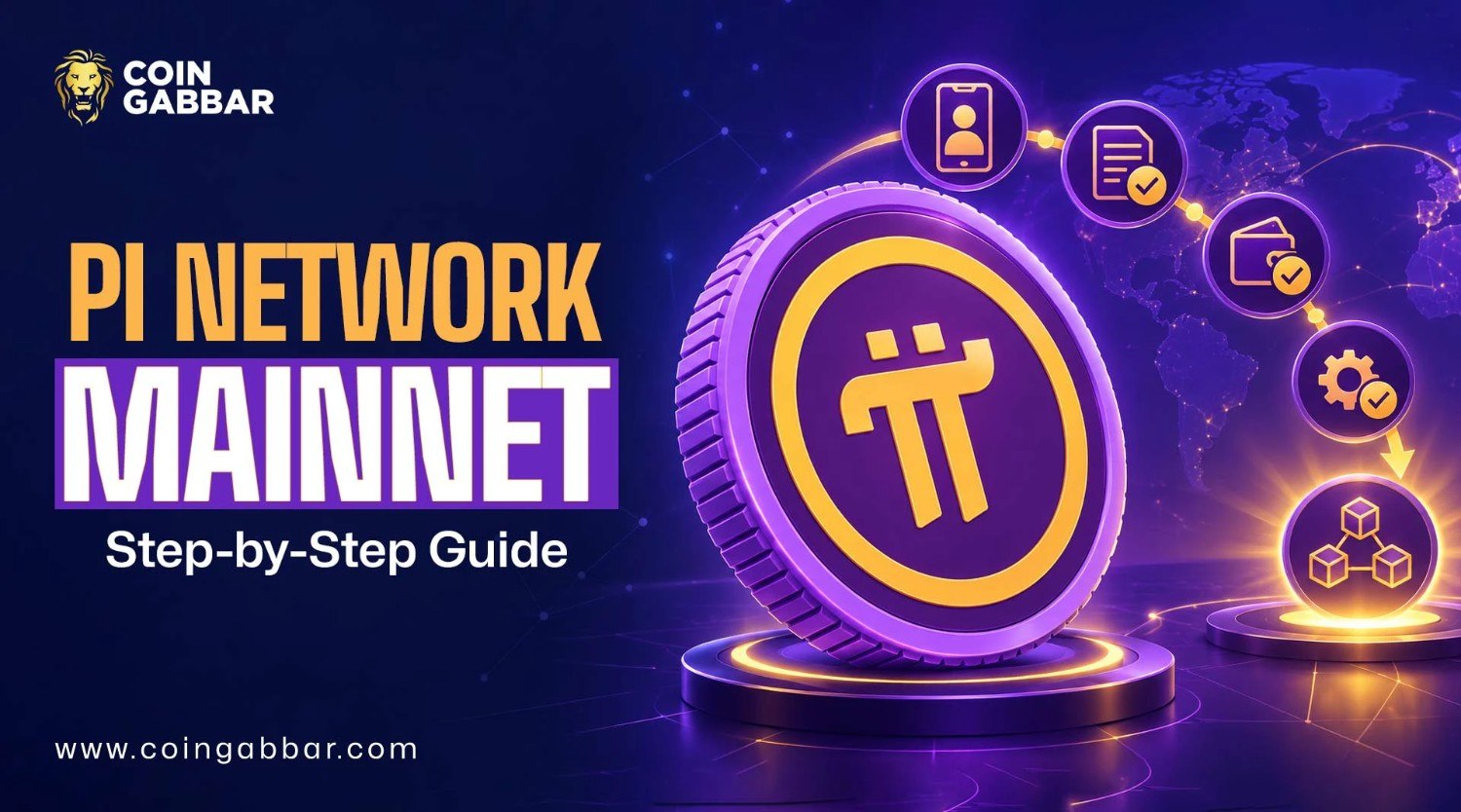
Pi Network Mainnet Step-by-Step: How to Move Your Pi Coins Safely Now Pi Network started as a simple phone app. Users tap a button once a day and earn Pi coins. Millions of people, called Pio
Pi Network Mainnet Step-by-Step: How to Move Your Pi Coins Safely Now
Pi Network started as a simple phone app. Users tap a button once a day and earn Pi coins. Millions of people, called Pioneers, joined over the years.
Now the project has moved from testing to a real, live blockchain. This blog explains what Pi Network is, what it offers, and why Pi Network Mainnet matters to every Pioneer, as many Pioneers follow Pi Network news to stay updated.
What Is Pi Network?
Pi Network is a crypto project that began in 2019. Its goal is easy to understand: make crypto open to everyone. Bitcoin needs costly machines and lots of power. Pi works on a regular phone, so almost anyone can join.
Key Features of Pi Network
Mobile mining: Tap every day and keep earning. It does not deplete the battery of the phone.
Security circles: Everyone who joined the Pi network keeps a group of trusted individuals. This is the way of proving that the accounts are real people.
KYC checks: To eliminate any bots or fake accounts, the system verifies identities.
Pi Wallet: The wallet is integrated in the app and allows holding, sending, and receiving Pi coins.
Pi Browser and Apps: The founder of Pi Network has created tools and apps.
Energy efficiency: The network is live with no need for expensive mining devices.
What Is Pi Network Mainnet, and Why Does It Matter to Pioneers?
The Pi Network Mainnet is the live, public blockchain where Pi coins exist as real digital assets. Before this, Pi ran on a test version. That version was only a practice space, and the coins had no real use outside the app.
The move matters for a few big reasons:
Pioneers get real ownership of their coins in a personal wallet.
Coins can move outside the app once all steps are done.
Developers can build real apps and payment tools.
Pi can be listed and traded on outside platforms.
For many Pioneers, this is the point where years of daily taps start to feel useful.
Pi Network Phases Explained: From Testnet to Open Mainnet
The project went through three distinct phases.
1. Testnet phase. The team developed the basic system and tested it. The coins are just balanced in the app.
2. Enclosed Mainnet phase. The live network was operating, although closed by a firewall. No Pi transactions took place. During this phase, mainly two things were done: KYC checks and migration of accounts.
3. Open the mainnet phase. The firewall was removed, and the Open Network commenced its operation on February 20, 2025. After that, Pi was able to connect to external networks and trade.
In each stage, work was building on the previous one. The closed period enabled the team to evaluate users and resolve issues before going live.
What Every Pioneer Must Do First
Some tasks come before migration. Pioneers should finish these first:
Upgrade the Pi application to the most recent version.
Conduct KYC verification with the official government ID.
Use the app to complete all steps in the Mainnet checklist.
Set up a Pi Wallet and record the passphrase.
Take down the 24-word passphrase on a piece of paper and keep it securely.
Update and keep both email and phone numbers correct.
The passphrase needs extra care. It's the only key to the wallet. If it's lost, nobody can bring the coins back. If it's shared, anyone can take them.
Checking Pi Network news today on official channels helps Pioneers catch new rules and deadlines early.
How to Migrate Pi Coins the Safe Way: Step by Step
The first step is to make sure to have the latest version of the official Pi app. The next step is to complete KYC verification. It is very important to follow the instructions on the screen correctly, as KYC verification is needed for any Pi Network migrations. The third step is to complete the checklist. The app is designed to contain all the necessary tasks at every step at its interface.
Furthermore, a wallet should be created, and the password must be written down very carefully. Finally, we need to wait for the coins to be migrated, as they don’t arrive at the same time.
Overall, you should be able to migrate your coins successfully after the migration process is completed, so be sure to check your account regularly for updates.
Common Pi Network Mainnet Scams and How to Avoid Them Fast
Big projects attract fraud, and Pi Network Mainnet is no different. Scammers often target people who are waiting for KYC or migration. Some common methods of deception include
Fake KYC assistance: Websites claim their services can accelerate approval, a promise that no legitimate site can offer.
Identity theft: Fraudulent applications and sites ask for the 24-word passphrase, which will give anyone receiving it access to the wallet.
Fake giveaways: Messages may talk about free Pi if a link is clicked or a fee is paid.
Impersonators: Some phony accounts of social media steal the identities of particular team members or admins.
Fake exchange websites: Some websites can look real but are simply designed to steal user deposits.
A few simple habits give strong protection:
Never share the passphrase with anyone, for any reason.
Use only the official Pi app and official channels.
Ignore private messages that offer help or rewards.
Check every link before opening it.
Remember that real KYC and migration never cost money.
Can Pi Coin Be Traded? Exchanges, Value, and Real Risks Explained
Yes, in many cases. Since the Open Network launch, some crypto exchanges have listed Pi, and migrated coins can be traded. Still, the picture isn't simple.
Exchanges - Pi is selectively present on platforms amounting to different extents of reliability and scalability. Traders are encouraged to stick to reputable exchanges with high integrity. The Pi Network price can also look different from one exchange to another.
Value—The value of Pi may experience highly variable rates of change. Pi is a newly minted currency with large amounts of it available at the introduction stage. What was true about the past prices isn't necessarily true in the future.
Potential problems— Limited volume of trades raises issues with why fair prices may be absent from the empty market order book. There are more problems for Pi, including fake token listings and confiscation of funds in some countries. Trading should involve only money that may be lost without significant damage. The information presented in this blog is for educational purposes and does not constitute financial advice.
Conclusion
Pi Network began with a simple idea: crypto for everyday people. Pi Network Mainnet is the stage where that idea meets the real world.
Pioneers who finish KYC, guard the passphrase, and follow only official news are in the best spot. Patience and careful checking remain the safest path forward.
Disclaimer
This article is for information and education only. It is not financial, investment, legal, or tax advice. Crypto prices can rise or fall very fast, and the value of Pi coin may change at any time. Readers should do their own research and talk to a licensed advisor before making any money decision.