This article was first published on The Bit Journal. Pi Network has attracted tens of millions of users by allowing them to “mine” cryptocurrency with a single daily tap on a smartphone. Howe
This article was first published on The Bit Journal. Pi Network has attracted tens of millions of users by allowing them to “mine” cryptocurrency with a single daily tap on a smartphone. However, Pi’s system differs from traditional crypto mining in that it doesn’t require high electricity consumption or powerful computers. Rather, the project implements a consensus model based on trust, where participation generates rewards, and another consensus model for the security of the network.
Pi Network Eliminates Traditional Mining Hardware
Bitcoin miners are engaged in a race to use specialized equipment and lots of electricity to solve complex mathematical puzzles. However, Pi Network has another method: it does not rely on computational competition.
Users do not validate transactions or solve cryptographic puzzle when they turn on the mining button in the Pi app every 24 hours. The action mostly confirms that the account belongs to an active user and continues to be eligible to receive newly issued PI tokens.
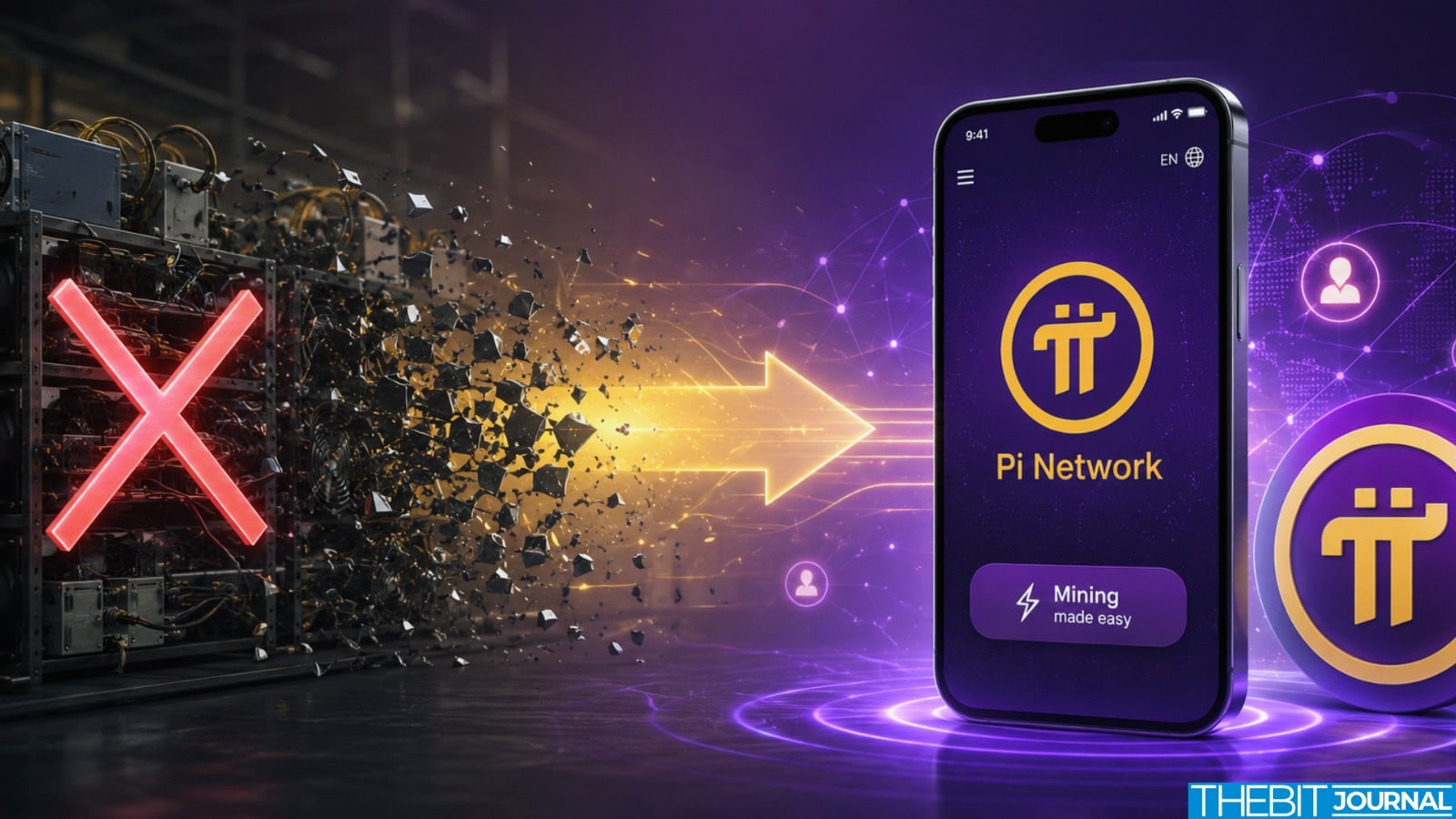
The simplified process has made Pi one of the most popular cryptocurrency apps worldwide, attractive to those seeking to join the crypto space without the need of costly mining hardware.
Stellar Consensus Powers Pi Network Security
Unlike Bitcoin, which uses Proof-of-Work, Pi Network uses the Federated Byzantine Agreement-based Stellar Consensus Protocol (SCP). In this system consensus is reached not by computing power, but by trusted relationships between participants.
Users create Security Circles by adding people that they personally know and trust. These trust relationships are connected into a larger network called the global trust graph. This trust graph then helps computer nodes validate transactions and keep the blockchain going while operating Pi’s software.
This means that the actual consensus happens on special nodes, not on users’ phones. Mobile devices are just adding in participation signals and trust relationships that help validate the network’s model.
Security Circles Help Strengthen Network Integrity
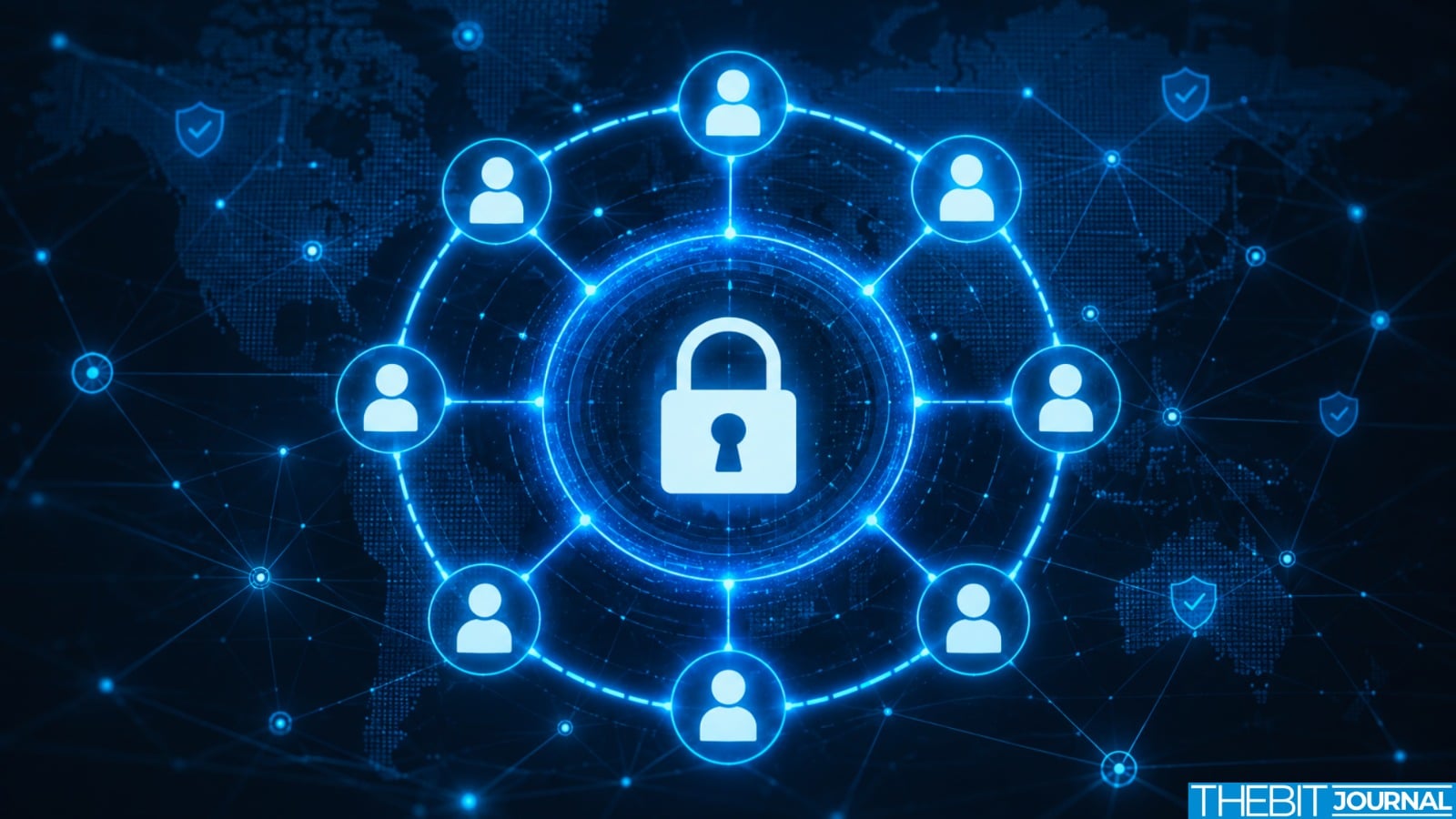
Pi Network promotes users to form Security Circles of trusted people. These connections provide protection against Sybil attacks, which are those made by malicious participants trying to generate more rewards by making many fake accounts.
This method works best when people are adding actual contacts as opposed to random people. The trust graph becomes more resistant to manipulation if authentic trust relationships predominate the network. But critics say it is difficult to achieve this trust among millions of users.
Pi Network Features Four User Roles
The roles of Pi Network are categorized into four major categories. Pioneers go through the daily check-in and continue to get PI, Contributors create Security Circles that add to the trust graph.
Ambassadors can increase the community by bringing in new users, and receive more reward for successful referrals. Lastly, Node operators will be responsible for software that validates transactions and perform the Stellar Consensus Protocol. This is a separation of the user side from the technical side of obtaining the blockchain.
Accessibility Comes With Ongoing Debate
By focusing on smartphones, Pi Network has reduced the entry barrier for cryptocurrency adoption, eliminating the need for costly hardware. Meanwhile, questions remain about the ability to scale over the long haul with a trust-based security model and how it is decentralized, as well as how it handles referral incentives.
While the daily tap does not directly secure the blockchain like Bitcoin mining, it contributes to Pi’s participation-based ecosystem by confirming user activity and reinforcing the network’s trust framework. The sustainability of this alternative model will largely be dependent on further decentralization, ecosystem development, and the practical utility of the PI token in the real world.
Conclusion
Pi Network has been making headlines once again for its shift from energy-intensive mining to a trust-based system of participation. Its strategy has gained millions of users globally, but its long-term viability will be determined by increasing decentralization, ongoing ecosystem development, and the degree of real-world adoption and utility of the PI token.
Follow us onTwitter andLinkedIn, and join ourTelegram channel to be instantly informed about breaking news!
Summary
- Pi Network uses a trust-based model instead of traditional crypto mining.
- Security Circles and nodes power the network through Stellar Consensus.
- Long-term success depends on decentralization and real-world PI utility.
Glossary of Key Terms
Pi Network: A mobile-first cryptocurrency platform.
PI Token: Pi Network’s native cryptocurrency.
Crypto Mining: The process of earning cryptocurrency.
Security Circles: Trusted user connections.
Node Operator: A participant who validates transactions.
Pioneer: A user who checks in daily.
Contributor: A user who builds Security Circles.
Ambassador: A user who refers new members.
Frequently Asked Questions about Pi Network
1. Does Pi Network use traditional mining?
No. It uses a trust-based participation model instead.
2. What does the daily tap do?
It confirms user activity and keeps PI rewards active.
3. How does Pi Network validate transactions?
Through the Stellar Consensus Protocol and node operators.
4. What are Security Circles?
Trusted user groups that help strengthen network security.
Reference
Stellar
Disclaimer
The article is purely informational and it is not a financial, investment, or a trading advice. Cryptocurrencies are extremely risky and volatile. Before investing, the readers are to conduct personal research and seek the advice of a qualified financial expert.
Read More:Pi Network Mining Explained: How Mobile Rewards Work Without Hardware">Pi Network Mining Explained: How Mobile Rewards Work Without Hardware