What Is Pi Network Protocol V28 and Why Does It Matter? Pi Network Protocol V28 is the newest version of the rules and software that nodes on the Pi blockchain follow when they confirm transa
What Is Pi Network Protocol V28 and Why Does It Matter?
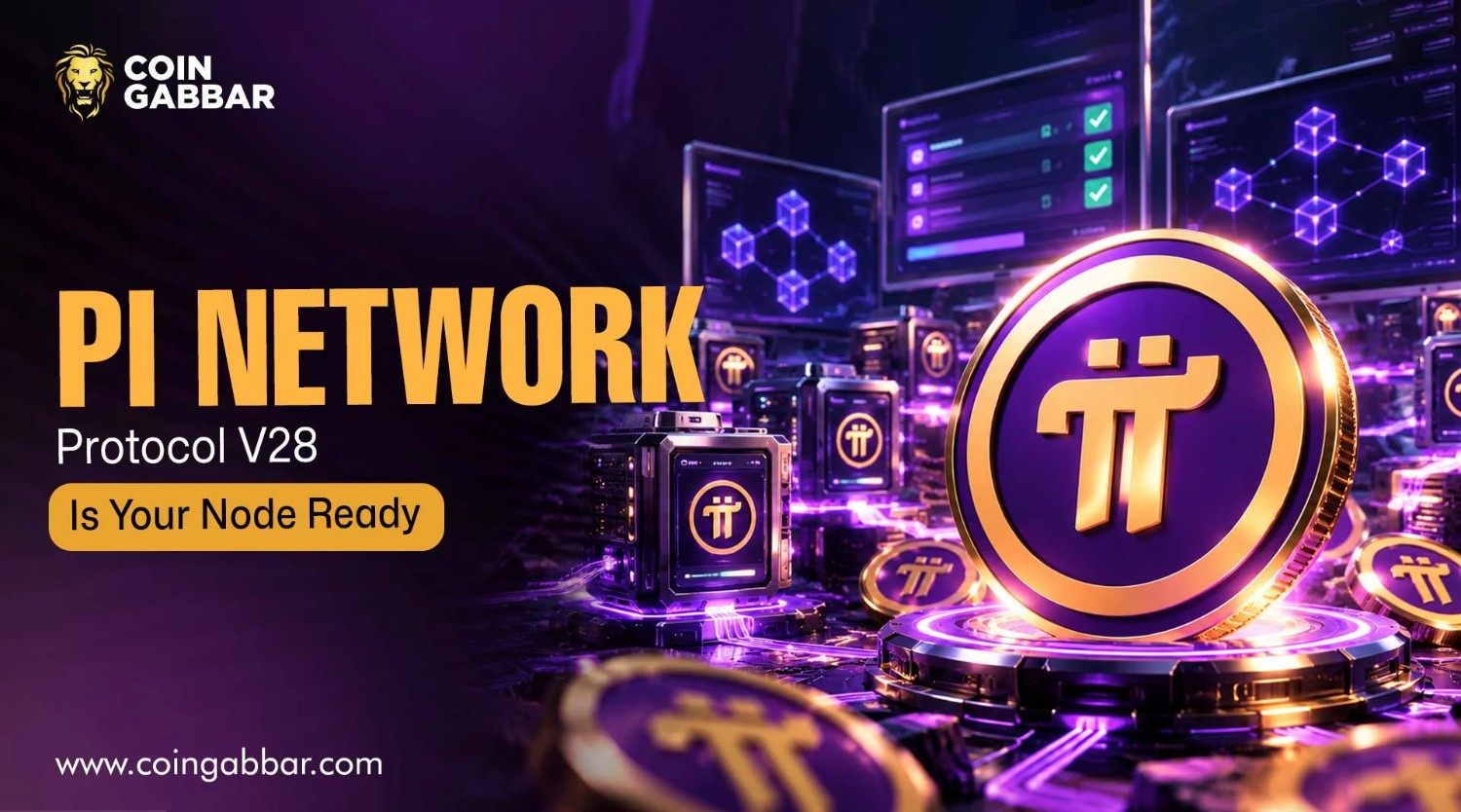
Pi Network Protocol V28 is the newest version of the rules and software that nodes on the Pi blockchain follow when they confirm transactions and run smart contracts, and it matters because every node has to adopt the same version before the network can switch over together.
A protocol upgrade works like a shared rulebook update, which explains why the Core Team gave node operators a deadline instead of leaving the timing open.
The official about page describes more than 60 million engaged members, so even a technical change reaches a huge and global community.
Readers followingPi network news today mostly want to know one thing, which is whether the upgrade touches their coins. Basically, it doesn’t.
The release is infrastructure work, so balances, supply, mining, and the Pi network wallet stay as they are, while node operators and app builders get new tools on the Pi network mainnet.
Key Takeaways
V28 is a back-end upgrade built for node operators and app developers, so balances, mining sessions, and the mobile app aren’t expected to change for regular Pioneers.
The Core Team set October 13, 2026, as the node software deadline and October 16, 2026, as the planned mainnet activation date.
Three changes lead the release: better handling of delayed transaction data, batch upgrades for smart contracts, and safer migration of data stored by apps.
At the last public check on October 16, the Mainnet interface still listed protocol 27 as active, so the switch hadn’t been confirmed at research time.
How Pi Network Protocol V28 Changes the Way Nodes Work
The Pi network runs on a consensus method based on the Stellar Consensus Protocol, according to the Pi network whitepaper, which means nodes vote on each new block instead of burning energy to solve puzzles. And an upgrade only works when enough nodes install it, so operators first update to version 28.0.1, and the network then activates the new protocol on the scheduled day.
The official node documentation advises upgrading one node at a time, with traffic sent to other nodes or the public Mainnet API in the meantime. Turns out, the process is gentle on operators, because the documentation expects under five minutes of downtime, though rare restarts may run longer.
Features of the V28 Upgrade Every Pioneer Should Know
Reports on the official release notes point to three main changes aimed at app teams.
Delayed transaction data handling: validators can keep consensus moving even when complete data hasn’t reached every node, which lowers the risk of stalls.
Batch contract upgrades: developers can update groups of smart contracts through shared code references instead of changing each one by hand, which cuts repeat work.
Safer data migration: apps can change stored data, including missing or extra fields, without breaking the contracts that later read it.
Pi Network Protocol V28 vs Earlier Versions: What Is Different?
The table below compares V28 with Pi network protocol v27, the release that came right before it.
Area
Protocol 27
Protocol 28
Main goal
More flexible ways for accounts and apps to authorize smart contract transactions
Better handling of delayed transaction data and easier contract upgrades
Mainnet status
Reported complete before V28 work moved ahead
Node deadline: October 13; activation planned for October 16.
Developer benefit
Wider authentication choices for apps
Batch contract upgrades and safer data changes
Node action
Update to the 27 software
Update to version 28.0.1
Turns out, the two releases fit together. Protocol 27 widened how accounts and apps approve smart contract transactions, while V28 makes those contracts easier to run and update.
What Does V28 Mean for the Pi Network Ecosystem?
The Pi network ecosystem depends on apps, because the whitepaper ties Pi network token utility to spending in apps and rewards Pi network mining through node operation and app usage.
Better contract tools could help builders ship Pi network apps that stay stable after updates. Here’s the thing: tools alone don’t bring users.
The first Pi Ecosystem Summit, a three-day online event running November 17 to 19, will cover the developer platform, partner app showcases, and a new hackathon, and that is where early evidence of builder interest may appear.
The Pi network's enclosed mainnet period kept the blockchain firewalled while Pioneers completed identity checks, and the open phase that followed allowed outside connections.
But an upgrade doesn’t create a Pi network exchange listing by itself, and the whitepaper says Pi has no ICO allocation, with a maximum supply of 100 billion. On the Pi network price side, market data platforms showed around $0.08 on October 16, with about 11.24 billion Pi circulating.
The Pi network roadmap outlines shared online, which puts polished apps first and open-sourcing of core code later, and remains unconfirmed.
Pi Network Protocol V28 Risks, Limits, and What to Watch Next
Timing is the first risk. The activation was scheduled for October 16, yet the Mainnet interface still showed protocol 27 as active at the last public check, so no switch was confirmed at research time.
But earlier versions slipped before, which explains why traders separate the announced date from real activation. The Mainnet API or a block explorer will show the change first.
The second risk is weak demand. Technical success without real usage tends to fade quickly, and a back-end upgrade isn’t a price catalyst on its own. At first glance, V28 seems too technical to matter to everyday pioneers.
Then again, the batch upgrade feature may matter most, because stable apps are what bring users back. And will builders ship before the summit opens?
The stronger signal here is developer activity, not the daily chart. Node adoption, error reports, app launches, and trading volume are worth tracking after activation. A cautious view fits best, since V28 is useful plumbing that hasn’t yet proven demand.
What Could Pi Network Protocol V28 Do in the Future?
V28 is not a feature release for everyday users, but the tools added in it could shape how Pi apps are built and maintained over the coming months. Nothing below is confirmed by the Core Team, and the outcome depends on how many developers adopt the new features.
Easier app updates. Batch contract upgrades let developers update many smart contracts together through shared code references. If apps use this, bug fixes and new features may reach users faster and with fewer errors.
More stable apps. Safer data migration allows apps to change stored data without breaking contracts that read it later. This could reduce app downtime after updates, which is one of the main reasons users leave an app.
Smoother network performance. Better handling of delayed transaction data may help validators keep consensus running when some nodes receive data late. Over time, this could mean fewer stalls during busy periods.
A stronger base for later upgrades. V28 builds on Protocol 27, which widened how apps approve smart contract transactions. Together, the two releases prepare the network for more complex apps, such as payment tools, marketplaces, and utility services.
Possible link with ecosystem events. The Pi Ecosystem Summit, planned for November 17 to 19, includes a hackathon. New apps shown there may be the first real test of whether developers use the V28 tools.
Still, a protocol upgrade alone does not create users, demand, or a higher Pi price. Future impact will depend on app launches, node adoption, and actual usage, and readers should wait for official Core Team updates before drawing conclusions.
Conclusion
Pi Network Protocol V28 is a quiet but useful upgrade that improves how nodes handle delayed data and how developers update smart contracts, while regular Pioneers shouldn’t expect changes to balances or mining.
What stands out is the batch upgrade tool, and what remains uncertain is the activation timing and whether apps will use the new features.
Readers should check official Pi Core Team channels and the Mainnet API for confirmation before relying on any claim about price or timing.
Disclaimer
This article is for information only and isn’t financial or investment advice. Crypto assets carry high risk, and prices can change fast, so readers should do their own research before making any decision.