Quantus has introduced a cold wallet application designed to turn a spare smartphone into an offline device for approving cryptocurrency transactions. Announced on November 20, 2026, the open
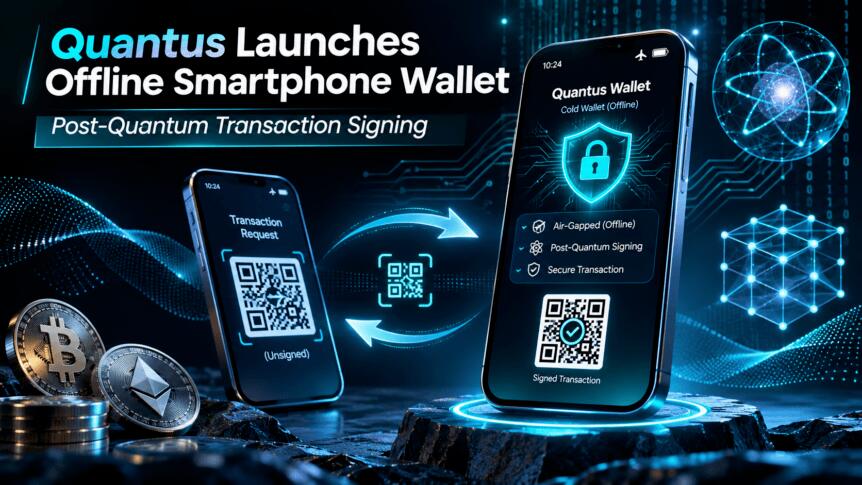
Quantus has introduced a cold wallet application designed to turn a spare smartphone into an offline device for approving cryptocurrency transactions. Announced on November 20, 2026, the open-source product combines air-gapped signing with post-quantum cryptography, offering an alternative to dedicated hardware wallets.
How the offline wallet works
The Quantus Cold Wallet separates transaction preparation from private-key storage. Users install the app on a spare phone, keep its wireless connections disabled, and use a second, connected device to prepare and broadcast payments. The devices exchange transaction information and signatures through QR codes rather than a cable, Bluetooth connection, or network session.
Before authorizing a transaction, the offline device displays information such as the amount and destination address in a readable format. That design is intended to help users check what they are signing instead of relying on opaque transaction prompts, a risk often described as blind signing.
Post-quantum security and existing smartphone hardware
According to Quantus, the app uses ML-DSA digital signatures, a post-quantum signature standard standardized by the US National Institute of Standards and Technology under FIPS 204. The company says it also makes use of security hardware built into modern smartphones to protect signing keys.
The approach reflects growing industry interest in cryptographic methods designed to withstand potential future quantum-computing attacks. However, using a post-quantum signature algorithm does not by itself establish that a complete wallet implementation is immune to software vulnerabilities, device compromise, or user error.
Unlike a purpose-built hardware wallet, the product can run on an existing spare phone. Quantus argues that this may reduce dependence on a distinctive physical device and some of the purchasing and delivery exposure associated with specialized hardware. Actual security still depends on device configuration, implementation quality, and how carefully users manage backups.
Initial support focuses on Quantus’ native asset
At launch, the cold wallet supports QTC, the native asset of the Quantus blockchain. It should therefore not be confused with a universal Bitcoin or Ethereum cold wallet. The company says the application is available for iOS and Android and also provides command-line signing tools for developers.
The launch adds another approach to cryptocurrency self-custody: separating a permanently offline signing environment from the device used to connect to blockchain networks. Whether repurposed smartphones can match the security assurances and usability of established dedicated hardware wallets will depend on further testing, independent review, and adoption.
This article was originally published as Quantus Launches Offline Smartphone Wallet With Post-Quantum Transaction Signing on Crypto Breaking News – your trusted source for crypto news, Bitcoin news, and blockchain updates.