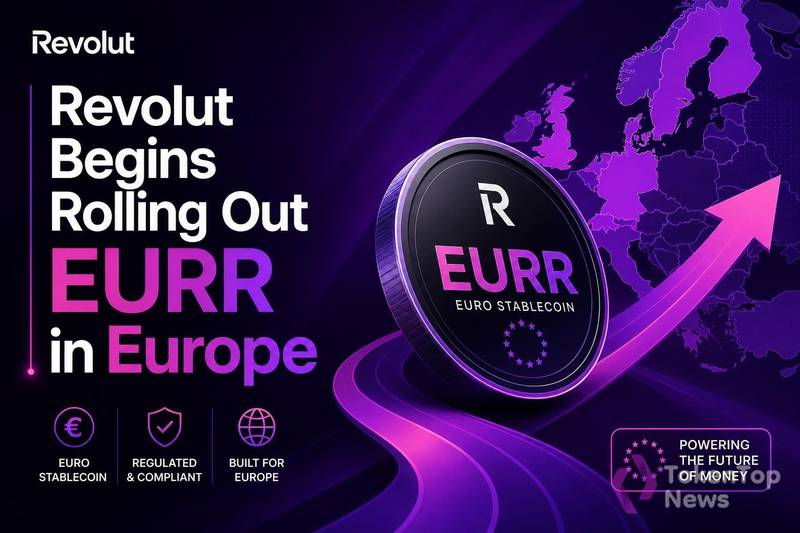
Revolut has begun rolling out EURR, a euro-denominated stablecoin, across Europe, giving its user base a euro-linked digital asset at a moment when dollar-pegged tokens still dominate the sta
Revolut has begun rolling out EURR, a euro-denominated stablecoin, across Europe, giving its user base a euro-linked digital asset at a moment when dollar-pegged tokens still dominate the stablecoin market. The move marks another step by a mainstream fintech into the euro stablecoin arena.
The rollout was reported by CoinDesk, which framed the launch as a mainstream push for euro stablecoins. Revolut has detailed the product in its own stablecoins announcement for the EEA, positioning EURR as a euro-backed token for customers across the European Economic Area.
What the EURR rollout in Europe covers
EURR is a euro-linked stablecoin, a token designed to track the value of the euro and usable within Revolut's crypto offering. The company's materials present it as available to eligible customers across the EEA rather than as a single completed launch in every market at once. For related coverage, see Strategy Net Leverage Near Zero as Cash Builds.
Because this is described as an initial rollout, availability and features may differ by jurisdiction and user group as Revolut expands access. Revolut's own cryptoasset risk disclosures underscore that crypto products, including stablecoins, carry their own risks that vary by market. For related coverage, see Ethereum Quantum Staking Proposal: First Defense Step.
Why a euro stablecoin from Revolut matters
A euro-denominated token is most relevant for users who prefer euro exposure over U.S. dollar-based stablecoins, which still make up the bulk of stablecoin supply. For those customers, EURR offers a way to hold and move value in euros inside a familiar app. For related coverage, see Kraken says dust transfers from HTX-linked wallets triggered account locks.
For Revolut, the rollout deepens its position at the intersection of fintech and digital assets, extending a crypto product set that already sits alongside its banking and payments features. That combination echoes broader moves by traditional financial players into on-chain products, from the BankChain alliance of state bankers associations to Japan's planned blockchain settlement network for stocks and government bonds.
The Europe-specific framing keeps regional relevance central. As a fintech operating heavily within the EEA, Revolut's euro token speaks directly to a customer base for whom euro settlement is the default, though adoption and availability may vary as the rollout proceeds.
What to watch next
Rollouts of this kind typically expand in stages across regions, features, and user groups, so the key follow-up question is how quickly EURR reaches Revolut's full eligible base. Availability and how deeply the token integrates into Revolut's wider ecosystem are the immediate items to monitor.
Future coverage will likely hinge on adoption, the range of supported jurisdictions, and any operational or compliance updates tied to the launch. For now, the significance lies in a mainstream fintech putting a euro stablecoin in front of European users, with execution and uptake still to be confirmed.
Disclaimer: This article is for informational purposes only and does not constitute financial or investment advice. Cryptocurrency and digital asset markets carry significant risk. Always do your own research before making decisions.
Read original article on tokentopnews.com