In brief: Robinhood confirmed hackers compromised CEO Vlad Tenev’s X account to promote a fake VLAD memecoin using fraudulent listing claims. Blockchain records flagged the VLAD token as a po
In brief:
- Robinhood confirmed hackers compromised CEO Vlad Tenev’s X account to promote a fake VLAD memecoin using fraudulent listing claims.
- Blockchain records flagged the VLAD token as a potential scam while Robinhood Chain processed millions of daily transactions.
- Robinhood denied any connection to VLAD, restored account access, and highlighted growing security risks targeting prominent cryptocurrency executives.
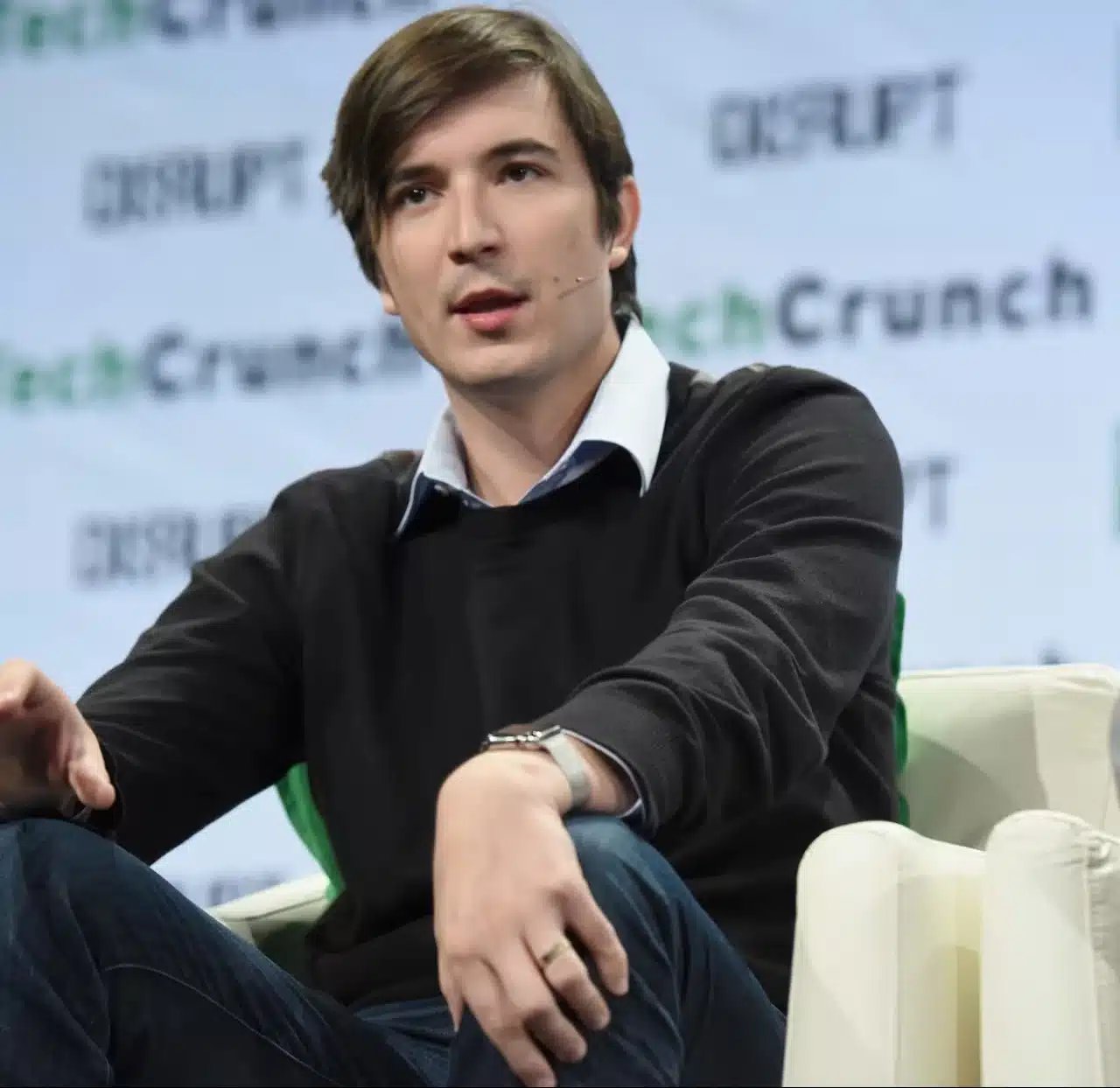
Robinhood confirmed that hackers compromised CEO Vlad Tenev‘s X account and used it to promote a fake VLAD memecoin. The unauthorized post falsely described the token as an official Robinhood project and misled users by claiming it was listed.
The compromised post claimed that Robinhood planned to launch Vladhood with the ticker VLAD, describing the token as Robinhood Chain’s official mascot. Additionally, the message claimed Robinhood would list the token inside its trading application and included a smart contract address beginning with 0x92d.
However, Robinhood never published the announcement through its official corporate X account, while Robinhood Crypto also remained silent throughout the incident. Consequently, users quickly questioned the post’s legitimacy and warned others against interacting with it.
Blockchain data strengthened those concerns within minutes as Robinhood Chain’s blockchain explorer labeled the token as a potential scam. Records showed approximately 1,868 transactions after deployment, while a wallet operating under the contract name PonsLaunchFactory created the token before trading activity increased.
Also Read: Bitcoin, Ethereum, XRP, and Dogecoin Lead Crypto Declines as RIF Jumps 37%
Robinhood Confirms Unauthorized Post as Memecoin Activity Grows
Robinhood later addressed the incident through its communications account on X, where the company confirmed that attackers gained unauthorized access to Tenev’s account. It also confirmed it worked with X to restore access and remove the misleading post.
Besides confirming the breach, Robinhood clarified it had no connection to the VLAD memecoin and never announced an official token launch or platform listing. Therefore, users were advised to ignore the fraudulent claims shared through the compromised account.
Robinhood Chain has attracted growing attention since launching on July 1 as the Ethereum Layer 2 network built on the Arbitrum Orbit stack. However, memecoins have become one of its most active trading categories.
Cashcat remains among the network’s best-known memecoins, while Robinhood Chain processes nearly six million daily transactions. Entropy Advisors estimated cumulative decentralized exchange trading volume at roughly $9 billion, with much of that activity driven by speculative memecoin trading.
According to an earlier post from Tenev on X, Robinhood Chain was designed for real-world assets while also supporting meme-based projects. That earlier remark resurfaced as users compared it with the fraudulent announcement.
Incidents involving compromised social media accounts remain common across the cryptocurrency industry, as attackers frequently exploit verified profiles to promote fake tokens. Companies often regain control quickly and issue public warnings to limit potential losses.
Conclusion
Robinhood responded quickly by confirming the account compromise and removing the unauthorized post. Meanwhile, the incident highlights how scammers exploit trusted executives to spread fraudulent cryptocurrency promotions during periods of strong memecoin activity.
Also Read: Bitcoin Eyes $84,000 as On-Chain Data Shows Record 1.3 Million BTC Support Zone
The post Robinhood CEO’s X Account Hacked to Promote Fake VLAD Memecoin on Layer 2 Network appeared first on 36Crypto.