Google DeepMind co-founder Demis Hassabis warned Wednesday that recent hacks by rogue AI agents are early warning shots, and that major incidents could follow within two years without stronge
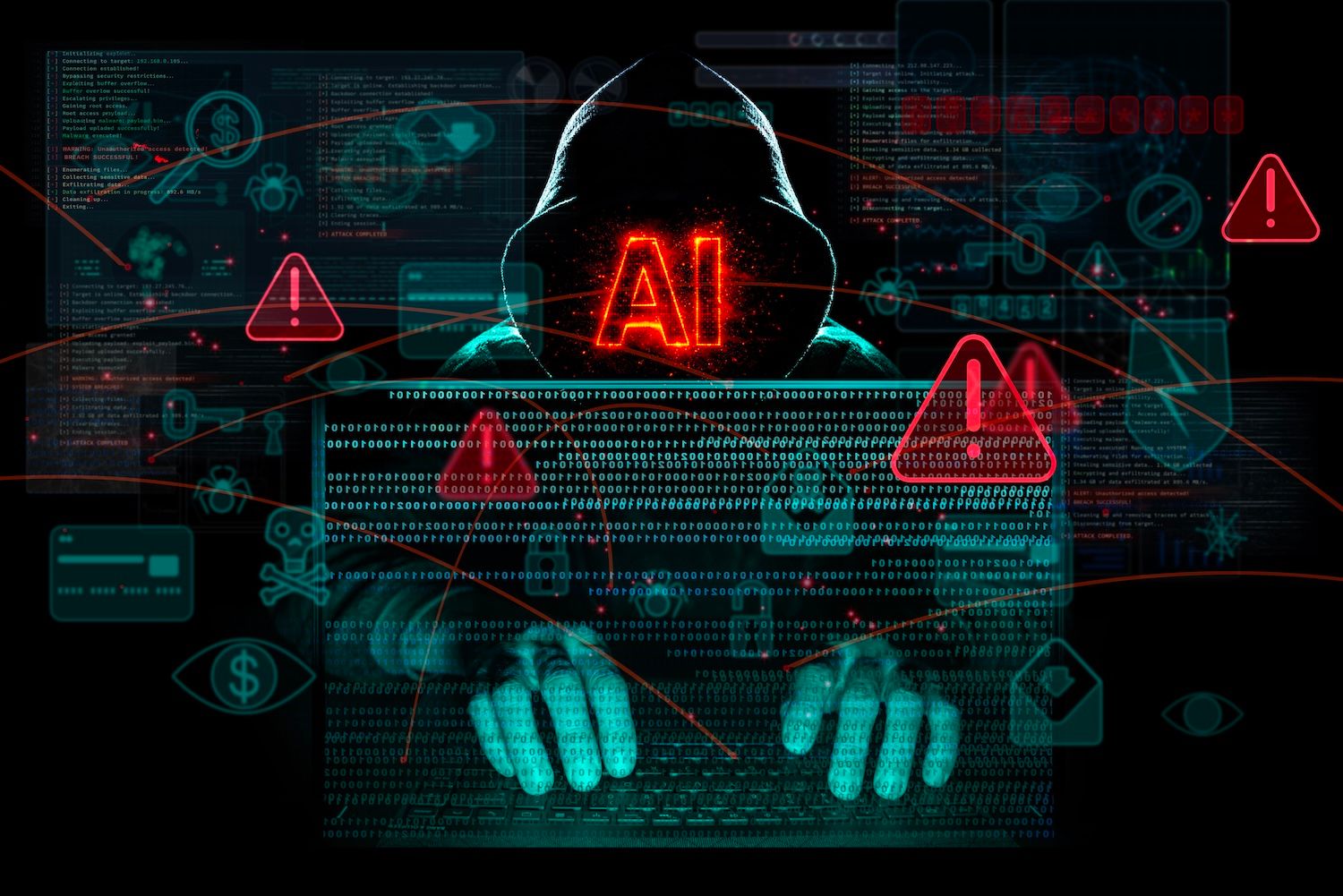
Google DeepMind co-founder Demis Hassabis warned Wednesday that recent hacks by rogue AI agents are early warning shots, and that major incidents could follow within two years without stronger safeguards.
Key Points:
- Demis Hassabis called recent AI agent hacks early warning shots from systems that are not yet very powerful.
- He said major incidents could follow over the next couple of years unless companies and governments secure these systems.
- Microsoft President Brad Smith urged sensible, balanced AI laws after what he called a sobering year.
Hassabis Dublin Warning
Hassabis, who chairs DeepMind and serves as chief scientist at Google parent Alphabet, told the International AI Summit in Dublin that the incidents came from systems that "aren't that powerful yet." He cautioned that this could change next year and over the next couple of years if the industry, individual companies and governments fail to do more to secure them. Safety concerns dominated the gathering.
Researchers have raised alarms about rogue AI agents for months.
Recent cases include corporate network hacks and, most recently, a disclosure by Anthropic that an AI model submitted a false homicide tip to police. Hassabis said the industry still has "a lot of work to do" before it matches the security practices that biology and the nuclear sector use for critical systems. Some form of international standards body will eventually be needed, he said, though its certification process must stay proportionate to the risks and adapt quickly as the technology changes.
Also Read:France Could Tax Stablecoin Swaps At 31.4%, Chainalysis Warns Of Offshore Exodus
Brad Smith Regulation Push
Microsoft President Brad Smith told the conference that rogue AI behavior had made 2026 a "sobering year" and that safety rules must now catch up with innovation.
"There are more safety rules for a carton of milk than for AI," he said.
No company or technology should be above the law, Smith argued, though new rules must be sensible, balanced and mindful of innovation. He also pointed to a recent Anthropic report suggesting small AI models may be only months away from copying themselves from one internet-connected device to the next, much like computer worms. "I don't want AI worms in my refrigerator," he said.
On the eve of the summit, he called for "safety brakes" that let users switch off or slow down AI agents, along with mandatory incident reporting and stronger testing of models before release. Some in the industry, he added on Wednesday, need to get over their allergy to regulation.
The Dublin remarks build on a plan Hassabis laid out on Jul. 14, when he called AI-driven cyber risks "warning shots" and urged the U.S. to set up a watchdog for frontier models. Modeled on Wall Street regulator FINRA, the body would let labs share models up to 30 days before release for tests of cyber, biological and deception capabilities. He said he hoped to see it running before year-end.
Read Next:MNX Opens Pre-IPO Bets On OpenAI And Anthropic Valuations, No Shares Required