Markets6 min read
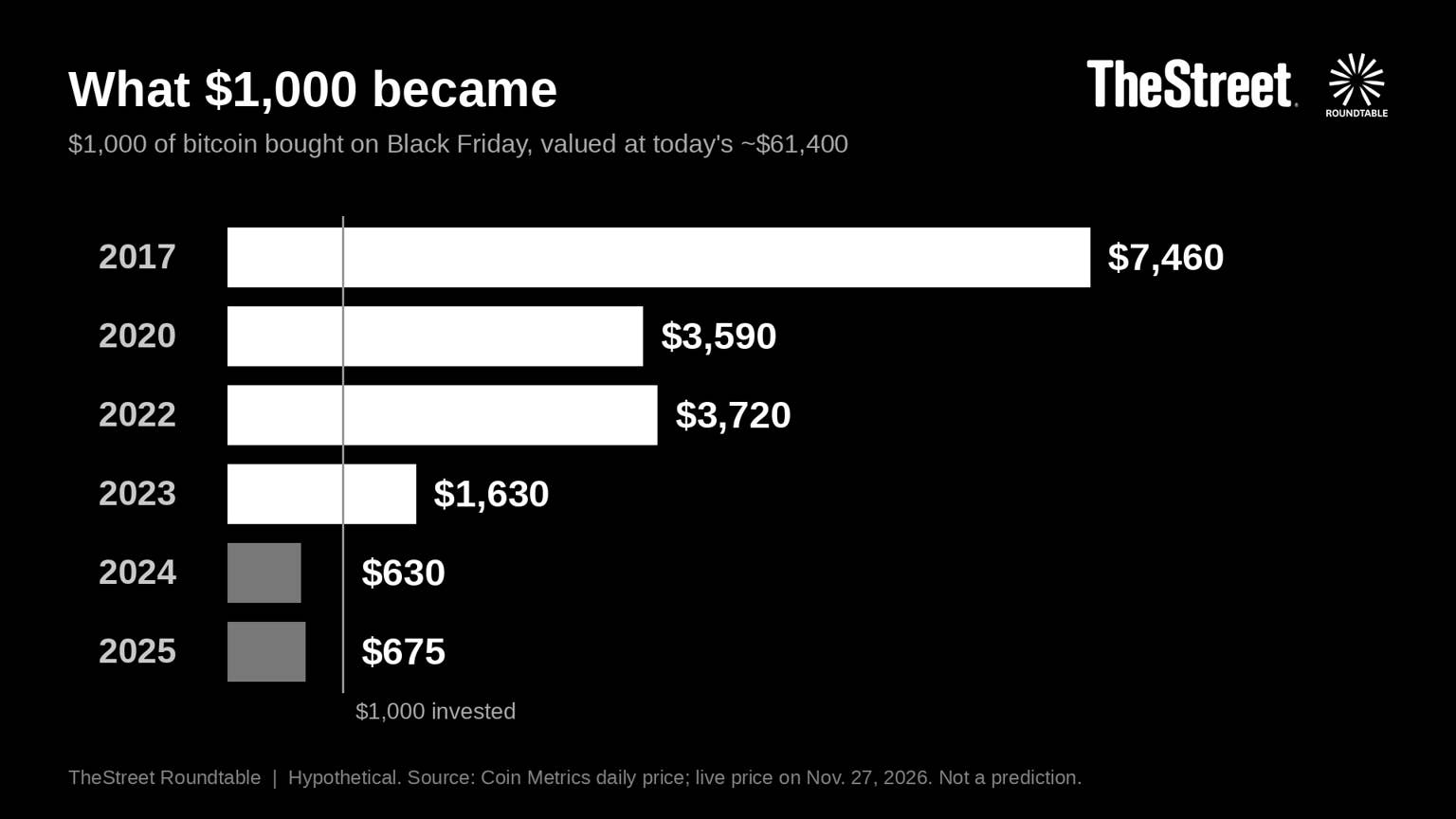
One asset is 51% off this Black Friday
On Black Friday 2017, one bitcoin cost $8,232. Three weeks later it hit $19,641. A year after that it traded at $3,185. Check the price on every Black Friday since and you see a bubble, a bus
On Sept. 5, 2026, a cluster of long-dormant wallets holding coins mined in March 2010, the network's earliest days, sprang to life after more than a decade and a half of total silence. The co
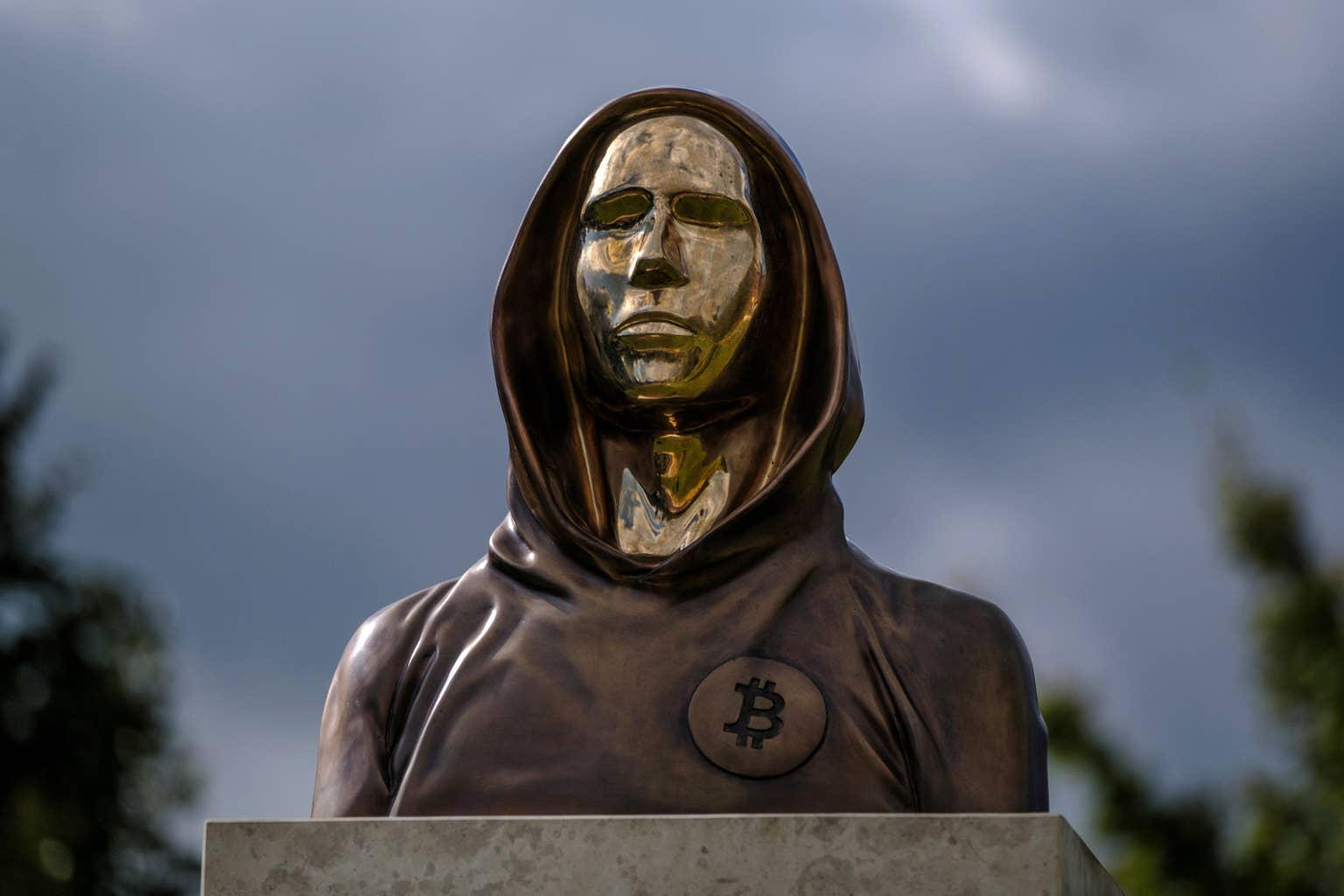
On Sept. 5, 2026, a cluster of long-dormant wallets holding coins mined in March 2010, the network's earliest days, sprang to life after more than a decade and a half of total silence.
The coins were effectively worthless when they were created. They're worth tens of millions now.
The transfer involved 600 BTC spread across 12 addresses, each holding a 50-BTC reward from a separate block mined in March 2010, before Bitcoin's first halving. One of those addresses received its reward on March 5, 2010, and sat untouched for roughly 16.5 years.
Onchain monitor Lookonchain first flagged seven of the wallets, which moved 350 BTC. Whale Alert then tracked the fuller move across all twelve addresses. As of now, there's no confirmation of where the coins ultimately landed.
When these 600 BTC were mined in early 2010, Bitcoin had no meaningful market price, so the coins carried no real dollar value.
With Bitcoin trading near $76,400 as per Decibel data, the stash is worth roughly $46 million today—an almost incomprehensible return on coins that were essentially free to mine.
The move sparked the inevitable question: is this Satoshi Nakamoto?
Whale Alert says no, "None of the blocks can be connected to Satoshi based on our research," a spokesperson told Cointelegraph. These coins date to the era when Satoshi was still actively involved in Bitcoin.
And a transfer isn't a sale: the coins moved to new wallets with no exchange link. As per reports, it was more housekeeping than a sell-off.