Markets6 min read
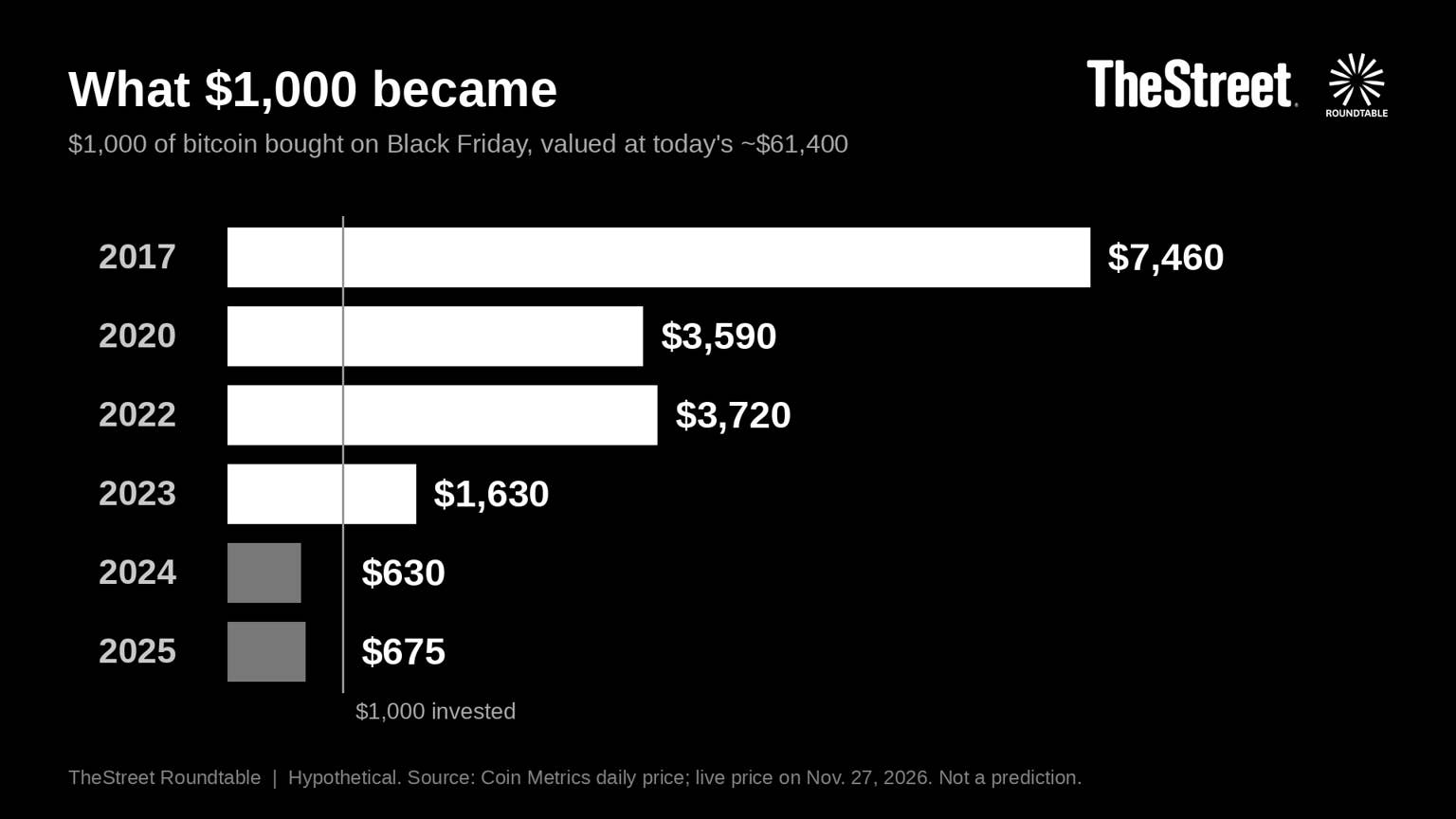
One asset is 51% off this Black Friday
On Black Friday 2017, one bitcoin cost $8,232. Three weeks later it hit $19,641. A year after that it traded at $3,185. Check the price on every Black Friday since and you see a bubble, a bus
How Does Smart Contract Upgrade Risk Affect Protocol Security? Open source code feels like proof of safety. Anyone can read it, so many users assume nothing can hide inside. That assumption f
Open source code feels like proof of safety. Anyone can read it, so many users assume nothing can hide inside.
That assumption fails when a contract can be swapped later. Smart contract upgrade risk is the danger that a published, even audited, contract changes after users have deposited funds.
The code reviewed on launch day may not be the code running today.
This article explains how upgradeable contracts work, where they break, and what readers can verify before trusting one. Figures and standards below come from official documentation, checked on November 27, 2026.
A smart contract is a program stored on a blockchain. By default, deployed code usually cannot be edited.
The official Ethereum smart contract security guide says deployed code usually cannot be changed to patch flaws. It adds that stolen assets are mostly irrecoverable. It also notes that estimates of losses from contract defects vary but easily exceed $1 billion.
Upgradeable designs were built to solve that problem. They let developers change a contract's logic after launch.
That helps with bug fixes. It also creates smart contract upgrade risk, because someone now holds the power to change the rules.
Open source answers one question: what does the code say today? It does not answer a second one. Who can change it tomorrow? That gap is where the danger sits.
Most upgradeable contracts use a proxy pattern. The proxy is a front contract that holds the funds and data. A separate logic contract holds the rules.
Users talk to the proxy. When developers want a change, they point the proxy to a new logic contract.
The mechanism behind this is DELEGATECALL. It is an instruction that runs another contract's code while using the proxy's own storage. Academic research describes it as the most common upgrade method.
A standard called ERC-1967 proxy storage slots sets fixed locations for the logic address and an optional admin address. Block explorers use those slots to flag proxies. The standard also recommends emitting events when those slots change.
One detail matters here. The standard defines where information sits. It does not decide who may change it.
Three gaps explain why reading code alone cannot settle smart contract upgrade risk.
The proxy is not the logic:Readers may review a proxy that looks harmless while the real rules live elsewhere.
The logic can be replaced: A reviewed version can be swapped for a new one, and the new code starts with no public scrutiny.
The admin holds the switch:whoever controls the upgrade key controls the contract.
Audits help, but they have limits. The Ethereum guide says audits won't catch every bug. They add another round of review, and they cover a specific version of the code.
So an audit dated before the latest upgrade says little about the code running now. That gap is central to smart contract upgrade risk.
Smart contract upgrade risk rarely looks dramatic at first. It often starts as a small engineering mistake or a loose permission.
Storage is where a contract keeps its balances and settings. When developers add variables in the wrong order, new code can read old data as something else.
The official OpenZeppelin proxy documentation says such collisions between logic versions can occur. Its upgrade tools detect them and warn developers. Its upgradeable library also uses namespaced storage to reduce the problem.
Proxied contracts cannot use constructors. Developers use an initializer function instead, and the documentation says it needs careful handling. An initializer left open to anyone is a serious smart contract upgrade vulnerability.
A single owner account is a single point of failure. The Ethereum guide suggests splitting duties between accounts, such as one for minting and another for upgrades. It also points to multi-signature accounts, which need approval from several parties.
For a closer look at who really holds control in token projects, see the explainer on DAO token holder rights.
A 2025 academic study of real-world incidents built a taxonomy of smart contract upgrade risk drawn from real incidents. Its preliminary scan reported 31,407 upgrade-related issues in the contracts it examined. These are research findings, not confirmed exploits.
Risk
What can go wrong?
What readers can check
Logic swap
The rules change after launch.
Implementation address and upgrade events
Admin key
One party controls upgrades.
Single account or multisig
Storage collision
Balances read incorrectly
Whether upgrade tooling flagged the layout
Open initializer
A stranger takes control.
Whether setup was completed and locked
Audit gap
New code never reviewed
Audit date versus latest upgrade
A few steps cost nothing and help size up smart contract upgrade risk in minutes.
Open the contract on a block explorer and see whether it is flagged as a proxy.
Read the current implementation address and note when it last changed.
Identify the admin. A personal wallet carries more risk than a multisig.
Compare the audit date with the latest upgrade event.
Read the project's official documentation for its upgrade policy.
Reading storage slots directly requires a connection through RPC nodes, which most explorers handle automatically.
Analyst view: a delay between announcing and executing an upgrade would give users time to exit. Readers should check whether a project documents one, since it is a design choice and not a rule.
Not automatically. Fully immutable contracts cannot be patched, and the Ethereum guide itself stresses how hard flaws are to fix after launch. Upgrades can protect users when a serious bug appears, and good controls keep smart contract upgrade risk manageable.
The real question about smart contract upgrade risk is trust. Verification theater appears elsewhere in crypto too. A proof of reserves scam relies on screenshots that look convincing, much like a code link that skips the admin question.
Even trusted hardware has failed. The record of hardware wallet hacks shows that established security products are not immune to vulnerabilities.
Fake apps add another layer of risk.
The guide on a fake wallet extension explains how misleading software can expose users to security threats.
Open code is a starting point. Control over upgrades is the second half of smart contract upgrade risk.
Open source shows what a contract does today. It cannot show what an upgrade key may do next month.
Smart contract upgrade risk comes from three places: replaceable logic, concentrated admin control, and technical slips like storage collisions or open initializers. Upgrades are not bad by default, but they shift trust from the code to the people holding the keys.
What remains uncertain is how often upgrades are abused, since research figures are early and scan-based. Readers can check the proxy status, the admin type, the last upgrade date, and the matching audit to judge smart contract upgrade risk before using any protocol.
Disclaimer:
This article is for information only and is not financial, legal, or investment advice. Crypto assets are high risk, and smart contracts can fail or change. Readers should research independently before making any decision.