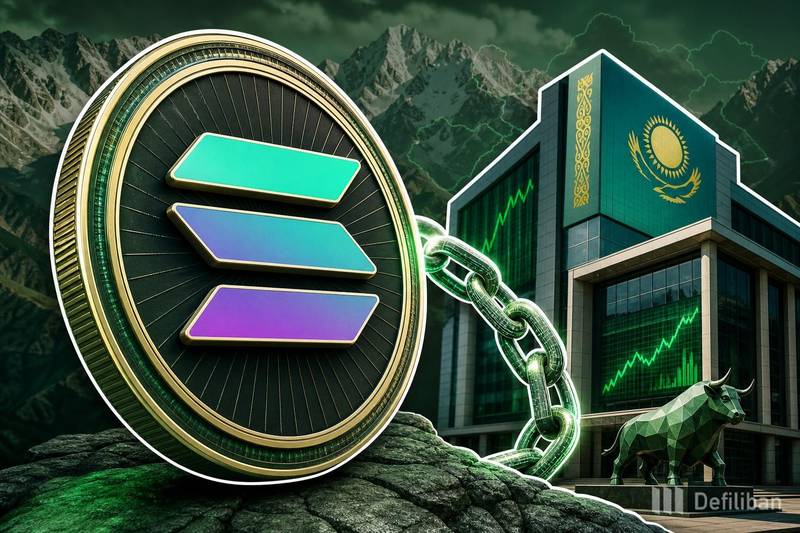
A Solana ETF has launched on the Kazakhstan Stock Exchange (KASE), marking a new entry point for regional investors seeking exchange-traded crypto exposure through traditional market infrastr
A Solana ETF has launched on the Kazakhstan Stock Exchange (KASE), marking a new entry point for regional investors seeking exchange-traded crypto exposure through traditional market infrastructure.
TLDR KEY POINTS
- A Solana-linked ETF has begun trading on the Kazakhstan Stock Exchange.
- The listing gives investors in the region access to SOL exposure through a regulated exchange venue.
- The product joins a growing wave of crypto ETFs launching across global markets.
What launched and why it matters
The Kazakhstan Stock Exchange, the country's primary securities venue, has listed a Solana ETF for trading. The product allows investors to gain exposure to SOL, the native token of the Solana blockchain, through a conventional brokerage account rather than holding the cryptocurrency directly. For related coverage, see First Block, Onpharma Company, and Crito Capital Announce First Solana Sto for U.S. Medical Device Business.
ETFs structured around crypto assets have become a preferred vehicle for institutional and retail investors who want exposure without managing wallets, private keys, or direct exchange accounts. The KASE listing extends that access to Kazakhstan's regulated capital markets. For related coverage, see Top Solana Ecosystem Projects by Development Since Last Month ($LINK, $SOL, $PYTH).
The launch comes as Solana-linked financial products gain traction globally. In the United States, Morgan Stanley has amended its Ether and Solana ETF applications, while Volatility Shares has introduced its own Solana-focused fund (SOLZ). Kazakhstan's move positions KASE alongside exchanges in larger markets that have begun offering similar products.
How the product could affect crypto access in Kazakhstan
An exchange-listed ETF removes several barriers that typically limit crypto participation. Investors can buy and sell shares through existing brokerage infrastructure, with the product subject to the same regulatory oversight as other listed securities on KASE.
Kazakhstan has positioned itself as a crypto-aware jurisdiction in Central Asia. The addition of a Solana ETF to its stock exchange suggests continued openness to digital asset products within its regulated financial system.
The ETF structure also provides visibility. Listed products generate price discovery, trading volume data, and regulatory reporting, all of which contribute to a more transparent market environment for crypto-linked instruments in the region.
For context, major U.S. banks have been actively adjusting their positions in crypto ETFs, reflecting the growing role these products play in institutional portfolios worldwide.
What to watch after the debut
Early trading volume and investor uptake will be the first meaningful signals. A new ETF listing generates attention, but sustained demand determines whether the product gains a permanent place in investor portfolios.
Whether other exchanges in Central Asia or neighboring regions follow KASE's lead is another question worth tracking. A successful launch could encourage similar listings on other regional venues.
Comparable products in the U.S. market, such as those tracking broader crypto futures and options trading developments, will also provide useful benchmarks for gauging global appetite for Solana-linked investment vehicles.
Disclaimer: This article is for informational purposes only and does not constitute financial or investment advice. Cryptocurrency and digital asset markets carry significant risk. Always do your own research before making decisions.
Read original article on defiliban.io