Solo miner solves a Bitcoin block worth nearly $200K
The Block and the Payout A solo miner solved Bitcoin block 960,804 early Monday through CKPool, walking away with 3.157 $BTC worth close to $200,000. The reward comprised the standard 3.125 $
A
AnonymousCryptoCompass newsroom
August 4, 2026
2 min read
NEWS
CryptoCompass editorial visual for bitcoin coverage.
The Block and the Payout
A solo miner solved Bitcoin block 960,804 early Monday through CKPool, walking away with 3.157 $BTC worth close to $200,000. The reward comprised the standard 3.125 $BTC block subsidy plus transaction fees collected from more than 4,200 pending transactions. It marks the 317th solo block facilitated by the service.
Solo.ckpool.org, launched in 2014, is an anonymous solo mining service where individual miners keep the full block reward if they successfully solve a block, minus a 2% fee.CKPool explicitly states it is not a pool despite its name. Each miner's hashrate competes independently, and if a connected miner finds a valid block, the coinbase transaction pays that miner's address directly.
Rented Hashrate, Not a Lucky Home Rig
CKPool's developer noted that the winning miner ran a wildly variable hashrate peaking at 100 petahashes per second (PH/s), a profile consistent with rented capacity rather than owned hardware. At roughly 0.011% of the total network, that hashrate implies an expected block roughly every 64 days, making this a calculated bet rather than a true lottery win.
The distinction matters. With Bitcoin's network hashrate above 900 EH/s, a solo win from a low TH/s device is a genuinely low-probability event. A genuine hobbyist rig faces odds closer to once every 172 years on average. A 70 TH/s setup, for example, faces roughly 1-in-100,000 daily odds of finding a block, equivalent to winning once every roughly 300 years on average.
The result still illustrates the appeal of solo mining: the winner kept every satoshi, with no pool split and no proportional share, just a direct payout to their own Bitcoin address.Solo Bitcoin miners running desktop-sized hardware are still finding full blocks in 2026, and data from several active solo mining pools makes clear this is no longer a fluke.CKPool Solo has facilitated at least 40 verified Bitcoin block wins since mid-2023, including three in early 2026.
Pi Network's lockup system removes a large share of mined PI tokens from active trading by letting users voluntarily lock coins for set periods in exchange for higher mining rates. As of late
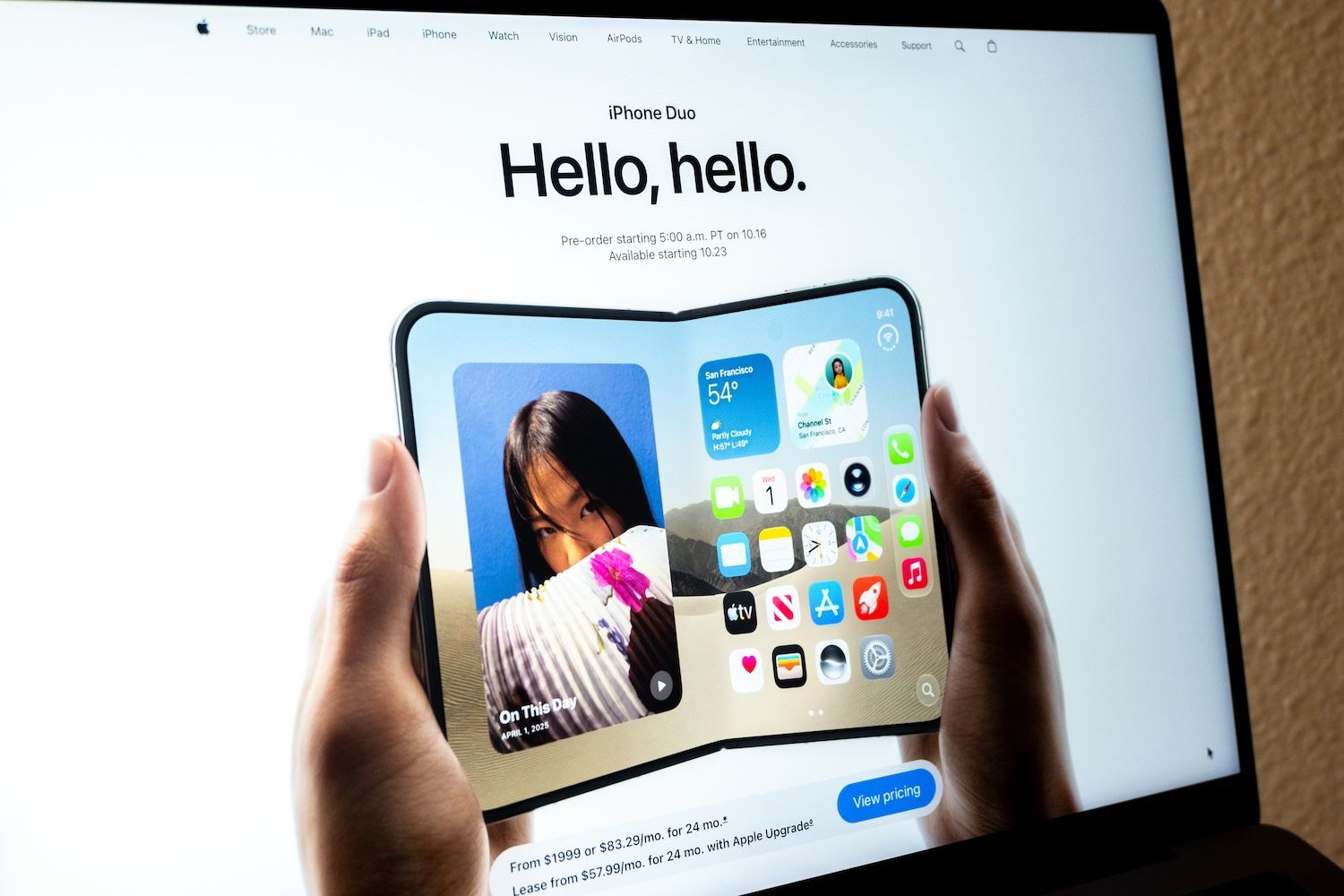
Apple's first foldable, the iPhone Duo, arrives Oct. 23 at $1,999, and five concrete advantages separate it from Samsung's Galaxy Z Fold 8. Key Points: The iPhone Duo is sealed to IP68 agains
The GENIUS Act, signed into law on July 18, 2025, requires every US payment stablecoin issuer to back its tokens with cash-equivalent reserves on a strict 1:1 basis, obtain a federal or state