South Korean authorities have arrested suspects in an alleged fake FXRP scam that reportedly drained roughly $8.6 million worth of XRP from investors, in what has become the latest high-profi
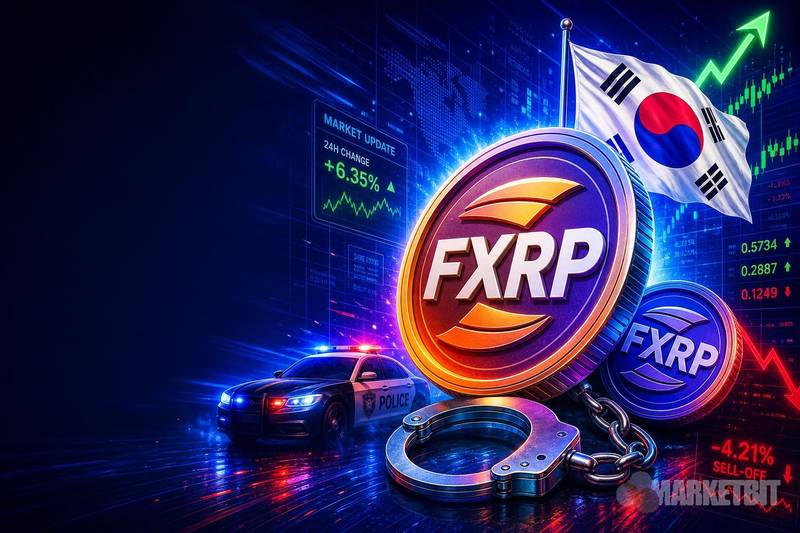
South Korean authorities have arrested suspects in an alleged fake FXRP scam that reportedly drained roughly $8.6 million worth of XRP from investors, in what has become the latest high-profile crypto fraud case in the country.
What South Korean Authorities Alleged in the Fake FXRP Case
Seoul police arrested suspects tied to a fraudulent operation that impersonated a legitimate crypto brand, according to Yonhap. Authorities allege the scheme lured victims through a fake FXRP product rather than any genuine offering. For related coverage, see Korea Exchange Briefly Halts Program Selling After KOSPI Falls 5%.
The case centered on a counterfeit Flare Network staking site that presented fake FXRP branding, Decrypt reported. Investigators allege the operators used the XRP-adjacent branding to convince investors they were depositing into a real staking product.
Every element of the case remains an allegation at this stage, with suspects arrested but the matter not yet adjudicated. The reporting frames the FXRP label as impersonation, not as a sign that XRP itself was compromised.
How the Alleged Scheme Was Tied to $8.6 Million in XRP Losses
The reported investor losses in the case total about $8.6 million, all denominated in XRP that victims transferred to the fraudulent site. The figure reflects assets investors believed they were staking, not a market price move.
Because the losses were paid in XRP, the harm falls directly on token holders who were targeted through the fake staking pitch. The scale places this among the more material crypto fraud cases reported in South Korea this year, comparable to a separate $13 million crypto scam that led to an arrest in the country.
Why the Arrests Matter for XRP Holders and Crypto Fraud Enforcement
The arrests signal that South Korean police are actively pursuing token-impersonation fraud, a pattern that has drawn repeated enforcement attention as the country expands its crypto oversight. Similar cross-border cases have seen authorities like the FBI arrest suspects over crypto-stealing schemes.
For XRP holders, the key distinction is that FXRP branding in this case was allegedly fabricated to mimic a real product, not an official XRP or Flare offering. That leaves open the risk of copycat impersonation using recognizable token names.
South Korea's tightening posture toward digital assets, seen in developments from banks building 24/7 blockchain payment networks to firms exploring stablecoin payment rails, has been paired with more aggressive fraud enforcement. The FXRP arrests reinforce that investor caution around staking sites and unverified token branding remains warranted.
Disclaimer: This article is for informational purposes only and does not constitute financial or investment advice. Cryptocurrency and digital asset markets carry significant risk. Always do your own research before making decisions.
Read original article on marketbit.net