BitcoinWorld South Korea Weighs Account Freezes and Bounties to Curb Crypto Market Abuse South Korea’s financial authorities are evaluating the introduction of payment suspensions on digital
BitcoinWorld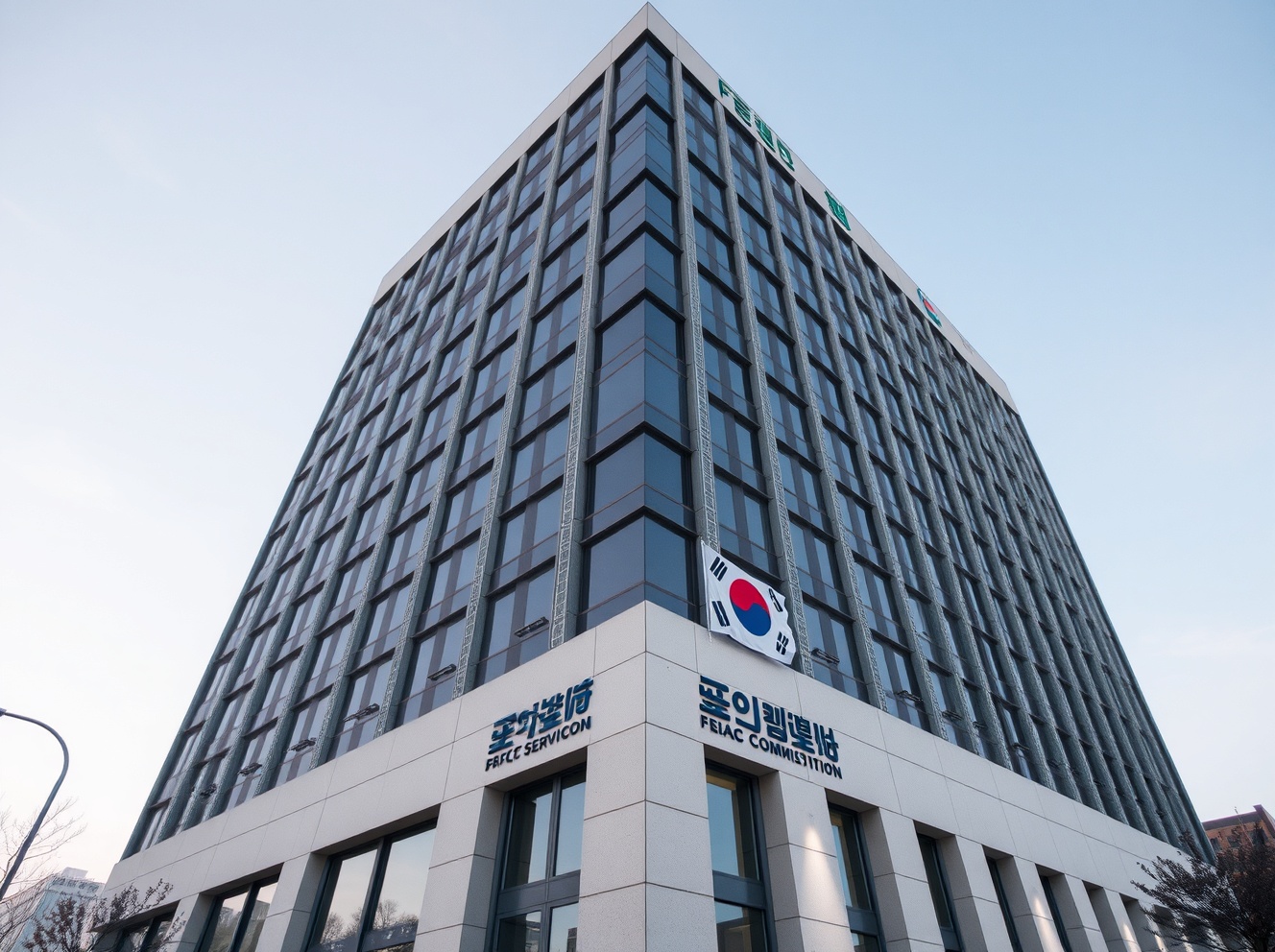 South Korea Weighs Account Freezes and Bounties to Curb Crypto Market Abuse
South Korea’s financial authorities are evaluating the introduction of payment suspensions on digital asset accounts and a formal rewards program for whistleblowers who report unfair trading practices in the cryptocurrency market, according to a report by Digital Asset. The move is part of a broader effort to strengthen regulatory oversight as the country prepares a second-stage digital asset law.
Regulatory Expansion Under Consideration
Officials from the Financial Services Commission (FSC) and other relevant agencies confirmed on [date of report] that they are actively reviewing measures modeled on existing capital market frameworks. These include the ability to freeze both digital asset accounts and linked bank accounts to prevent the concealment of illicit gains, as well as a structured reporting and bounty system designed to detect market abuse at an early stage.
The proposed measures would mark a significant expansion of South Korea’s current crypto regulatory toolkit, which already includes the Act on Reporting and Use of Specific Financial Transaction Information (often referred to as the ‘Specific Financial Information Act’). The second-stage law aims to address gaps in investor protection and market integrity that have persisted since the initial regulatory framework was implemented.
Why This Matters for Investors and the Market
South Korea remains one of the world’s most active cryptocurrency trading markets, with retail participation rates among the highest globally. The introduction of account freezes and a bounty system would give authorities more direct levers to combat pump-and-dump schemes, insider trading, and other forms of market manipulation that have historically plagued the sector.
For legitimate market participants, clearer enforcement mechanisms could improve overall market confidence. However, the prospect of account freezes also raises questions about due process and the potential for overreach, particularly in cases where funds are frozen preemptively during investigations.
Timeline and Legislative Path
The second-stage digital asset law is still in the consultation phase. Authorities have indicated that they will seek input from industry stakeholders, legal experts, and the public before finalizing the legislative text. A formal proposal is expected to be submitted to the National Assembly later this year, though no specific timeline has been announced.
The current review process suggests that South Korea is moving toward a more comprehensive regulatory regime that mirrors elements of traditional financial market oversight, including the ability to freeze assets and incentivize whistleblowers — tools that are standard in securities regulation globally.
Conclusion
South Korea’s consideration of account freezes and a bounty system for reporting crypto market abuse represents a notable step toward aligning digital asset regulation with established capital market practices. While the measures are still under review, their potential adoption would give regulators stronger enforcement capabilities and could set a precedent for other jurisdictions grappling with crypto market integrity. Market participants and observers should monitor the legislative process closely, as the final shape of the law will have significant implications for trading, compliance, and investor protection in one of the world’s largest crypto markets.
FAQs
Q1: What exactly is South Korea reviewing regarding crypto accounts?Authorities are considering allowing payment suspensions (freezes) on digital asset accounts and linked bank accounts to prevent the concealment of illegal profits, as well as creating a reward system for people who report unfair trading practices.
Q2: When will the new crypto law be implemented?The second-stage digital asset law is still in the review and consultation phase. A formal legislative proposal is expected later this year, but no specific implementation date has been set.
Q3: How would the bounty system work?Details are still being developed, but the system would be modeled on existing capital market frameworks in South Korea, where whistleblowers can receive financial rewards for reporting insider trading, market manipulation, and other violations that lead to enforcement actions.
This post South Korea Weighs Account Freezes and Bounties to Curb Crypto Market Abuse first appeared on BitcoinWorld.