Canary Capital Updates Staked SEI ETF Filing Canary Capital has taken another step toward launching a spot $SEI exchange-traded fund, filing a second amendment to its S-1 registration stateme
A
AnonymousCryptoCompass newsroom
October 7, 2026
2 min read
NEWS
CryptoCompass editorial visual for markets coverage.
Canary Capital Updates Staked SEI ETF Filing
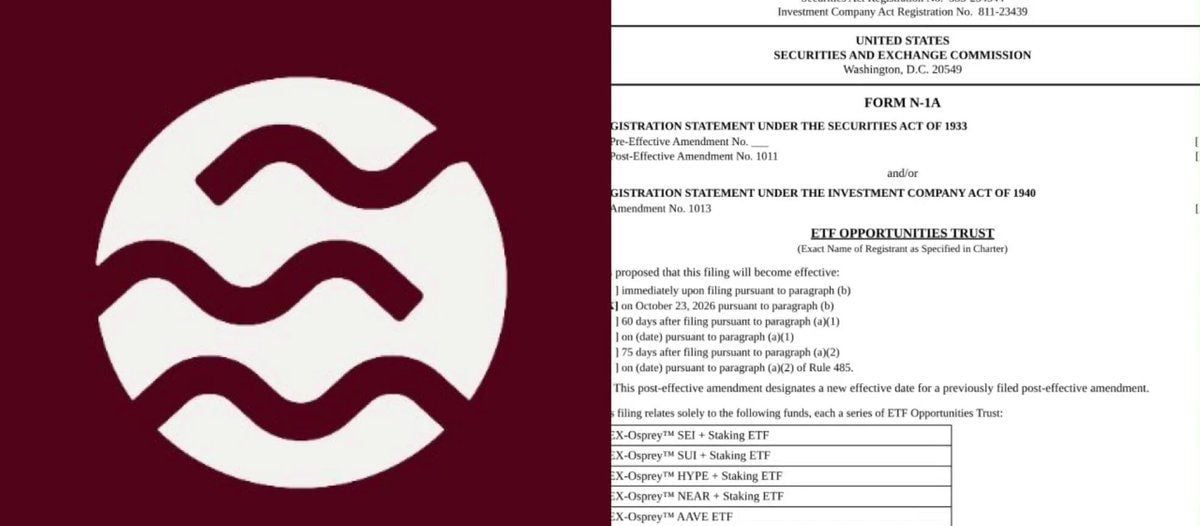
Canary Capital has taken another step toward launching a spot $SEI exchange-traded fund, filing a second amendment to its S-1 registration statement with the U.S. Securities and Exchange Commission. The move keeps the asset manager firmly in the race to bring regulated exposure to @SeiNetwork tokens to traditional investors.
The revised filing makes two headline changes. First, @BitGo is named as the sole custodian for the fund's entire $SEI position, consolidating an arrangement that had previously involved multiple custodians. Second, and more notably, the amendment substantially revises the fund's staking mechanics: approximately 90% of the ETF's SEI holdings are expected to be actively staked, giving the fund a yield-generating component on top of straightforward spot exposure.
The staked SEI product would sit alongside Canary's existing lineup of yield-bearing staked ETFs, which already includes products tied to TRX and SUI. A 90% staking allocation signals an aggressive commitment to generating returns from the underlying asset rather than simply warehousing it, a structure that could appeal to institutional allocators looking for yield in a digital-asset wrapper.
The registration statement remains pre-effective, meaning the fund cannot launch until the SEC formally declares it effective. No timeline for a decision has been set.
Across two separate stories this week, named outlets give incompatible accounts of a fund's mechanics and a transfer's destination, and no primary document has surfaced to settle either. Acro
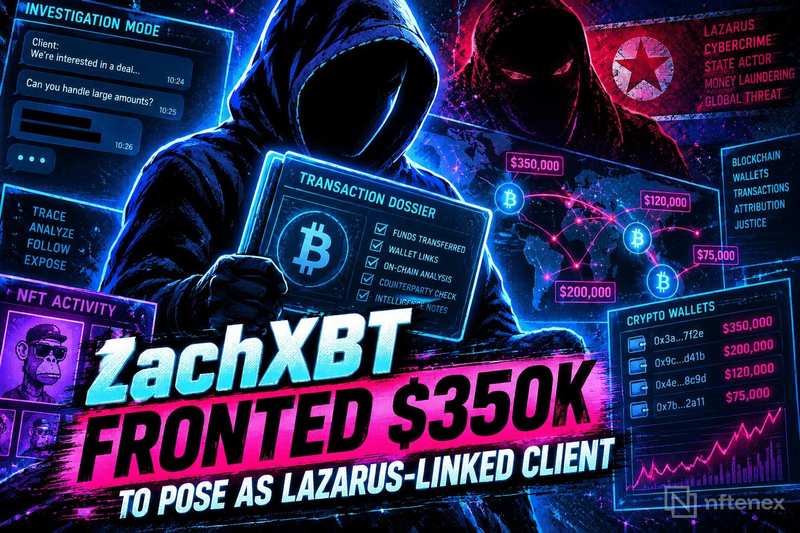
On-chain investigator ZachXBT reportedly fronted $350,000 of his own funds to pose as a potential client of a money laundering network linked to North Korea's Lazarus Group. The operation pla
Quant and Chainlink court the same clientele: banks that want to connect their systems to several blockchains without committing to any one of them. The two projects solve that at different l