Surprise Development: Will the Stablecoin Everyone Uses Be Delisted in Europe?
Revolut, one of Europe’s leading financial technology companies, is preparing to remove Tether (USDT) from its platform as a stablecoin that does not comply with European Union regulations. T
A
AnonymousCryptoCompass newsroom
July 4, 2026
2 min read
NEWS
CryptoCompass editorial visual for policy coverage.
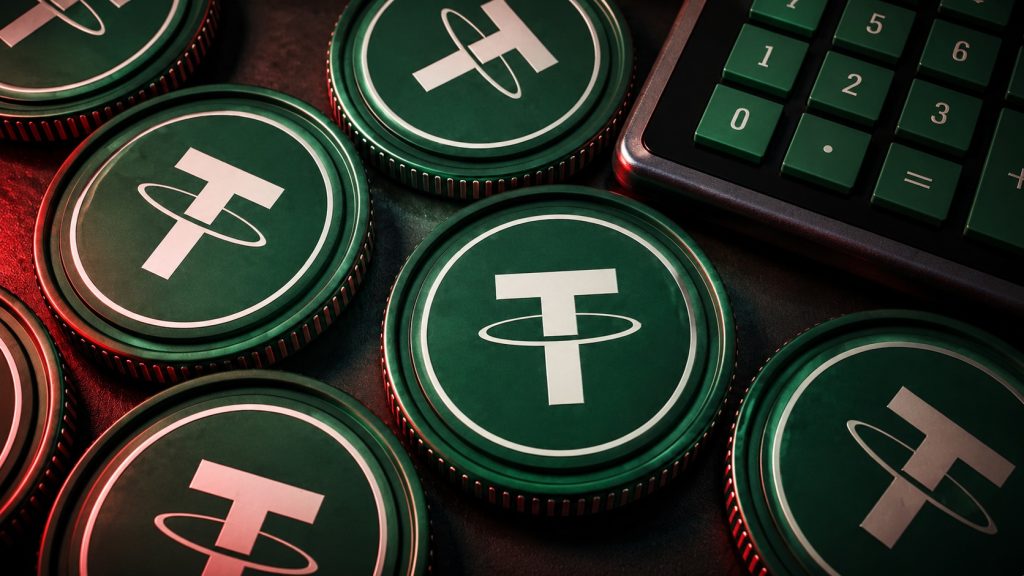
Revolut, one of Europe’s leading financial technology companies, is preparing to remove Tether (USDT) from its platform as a stablecoin that does not comply with European Union regulations.
The company announced to its users via in-app notifications and email that a phased delisting process for USDT would begin. Accordingly, users will be able to continue purchasing USDT through Revolut until July 6th.
As of July 30th, new USDT deposits will no longer be accepted. Users can sell or withdraw their USDT assets to external wallets until August 31st. After this date, any remaining USDT balances in Revolut accounts will be converted to fiat currency at the current exchange rate.
Revolut’s decision is linked to the full implementation of the European Union’s Crypto Asset Market Regulation (MiCA) and the entry into a stricter regulatory process as of July.
Under MiCA, stablecoin issuers are required to meet high compliance standards, including transparency of reserve assets, regular audits, liquidity guarantees, and obtaining necessary regulatory approvals.
USDT’s issuer, Tether, has not completed the necessary compliance process under the MiCA in the European Union, which leads to USDT being considered a “non-EU compliant stablecoin.” Therefore, it is stated that European regulated platforms like Revolut are gradually removing USDT from their platforms to avoid potential legal risks and regulatory sanctions.
The XLM price is getting a fresh boost in sentiment after U.S. Bank completed a live stablecoin transfer on the Stellar network. This wasn’t a small test from a startup. U.S. Bank, the fifth-
Marina Protocol Daily Quiz Answer 13 September 2026 If you're searching for the Marina Protocol Daily Quiz Answer for 13 September 2026, this guide brings together the latest verified update,
Key Takeaways Authorities found a remote crypto farm. Electricity theft remains the core allegation. Hardware does not identify the mined asset. Cartel and laundering links remain unproven. W