This article was first published on TurkishNY Radio. Europe’s regulated stablecoin market has expanded again with the arrival of SEKAU, a new Swedish krona stablecoin issued by AllUnity. Laun
This article was first published on TurkishNY Radio.
Europe’s regulated stablecoin market has expanded again with the arrival of SEKAU, a new Swedish krona stablecoin issued by AllUnity.
Launched on June 19, SEKAU is backed by Swedish kronor on a one-to-one basis and operates under the European Union’s Markets in Crypto-Assets (MiCA) framework.
The token is available across Ethereum, Solana, Base, Polygon, and Tempo, giving businesses access to SEK-denominated liquidity on multiple blockchain networks.
According to AllUnity, SEKAU is structured as an Electronic Money Token (EMT), meaning holders can redeem it directly for Swedish kronor while reserves remain segregated and fully backed.
The launch marks another step in Europe’s effort to build regulated digital payment infrastructure based on local currencies rather than relying exclusively on US dollar-backed stablecoins.
Swedish Krona Stablecoin Faces Its First Real Test
Launching a stablecoin is one thing. Building demand is another.
While the regulatory foundation behind the Swedish krona stablecoin is clear, its long-term relevance will depend on whether institutions choose to use it for real-world settlement and treasury operations.
Dollar-backed stablecoins such as USDT and USDC continue to dominate blockchain payments because they offer deep liquidity, broad exchange support, and widespread market acceptance.
For SEKAU to gain traction, businesses must see value in holding and transferring Swedish kronor directly on-chain rather than converting through dollar-based systems.
This creates a straightforward market question are there enough companies, financial institutions, and tokenized asset platforms that need Swedish krona liquidity on public blockchains?
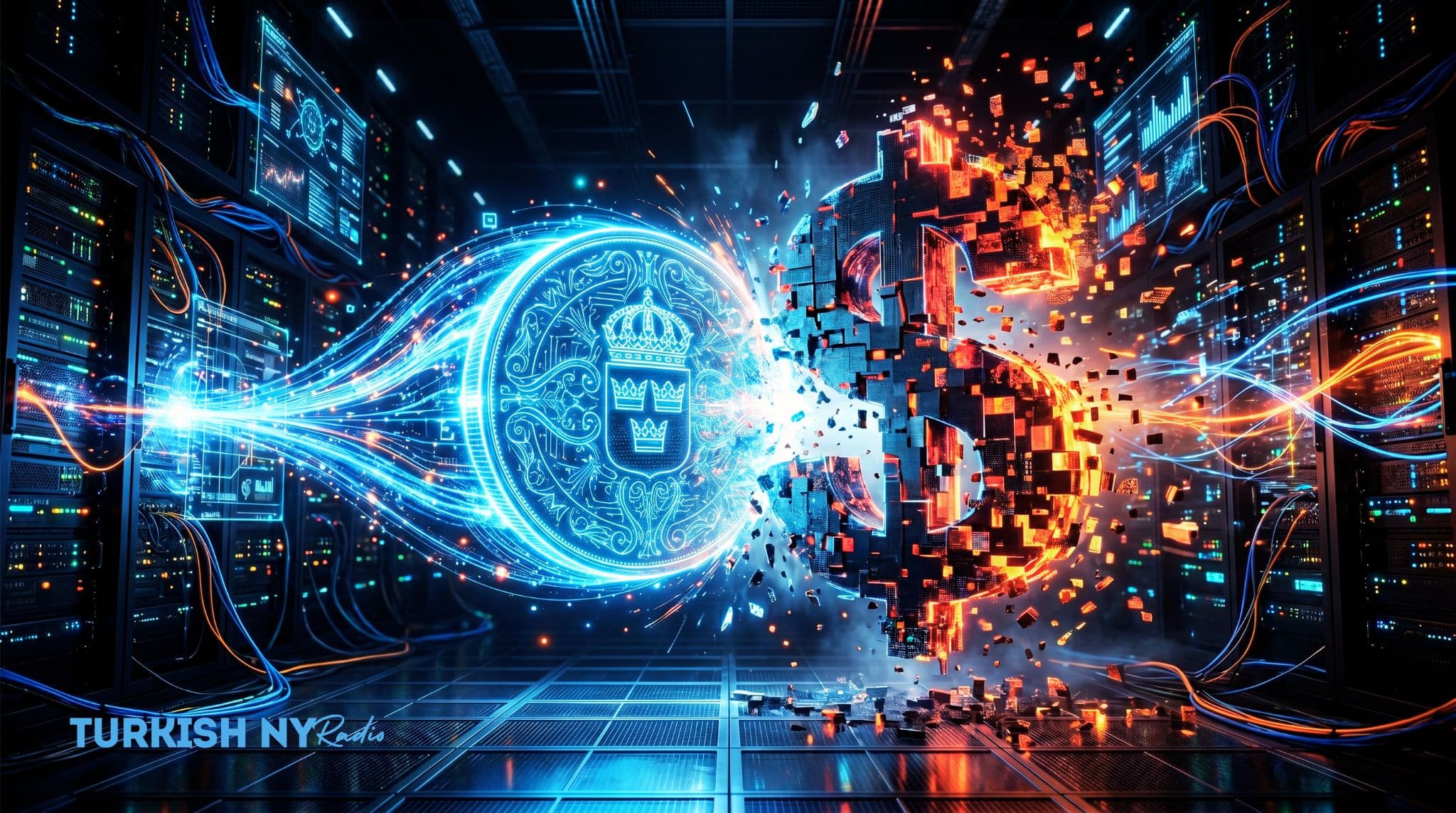
Can the Swedish Krona Stablecoin Challenge Dollar Dominance?
Swedish Krona Stablecoin Targets Institutional Use
Unlike many stablecoin issuers that focus on trading activity, AllUnity is positioning the Swedish krona stablecoin as a financial infrastructure product.
The company has introduced a business-focused onboarding process that allows verified organizations to connect bank accounts and blockchain wallets for minting and redemption.
The strategy centers on treasury management, payment settlement, and corporate financial operations rather than speculative crypto trading.
This institutional approach aligns with AllUnity’s ownership structure. The company was established by DWS, Flow Traders, and Galaxy, organizations with strong backgrounds in traditional finance and digital asset markets.
As a result, SEKAU appears designed to serve professional users who require regulated access to Swedish krona liquidity across blockchain networks.
Europe’s Stablecoin Strategy Expands Beyond the Euro
SEKAU is not AllUnity’s first regulated stablecoin initiative. The company has already launched EURAU, a euro-backed stablecoin, and CHFAU, a Swiss franc-backed stablecoin.
Together, these products reflect a broader strategy aimed at creating regulated digital representations of major European currencies.
The emergence of a Swedish krona stablecoin also highlights an important shift in the European market. Stablecoin competition is no longer limited to the euro-versus-dollar debate.
Regional currencies are beginning to enter blockchain settlement systems as financial institutions explore localized digital payment rails.
For Sweden, this development arrives at a notable moment. The country’s central bank, Sveriges Riksbank, previously noted the absence of Swedish-krona-denominated stablecoins in its payment system analysis.
Compliance Is Established, Liquidity Still Needs Proof
Several facts about SEKAU are already confirmed. The Swedish krona stablecoin is live, MiCA-compliant, fully reserved, and supported by banking partners including Banking Circle and Marginalen Bank.
What remains unknown is how much demand exists.
AllUnity has not yet disclosed circulating supply figures, transaction volumes, active holder counts, or liquidity metrics across supported networks. Likewise, major exchange listings and secondary-market activity remain limited at this early stage.
Those indicators will ultimately determine whether SEKAU becomes an active component of Europe’s digital finance ecosystem or remains a niche settlement product.
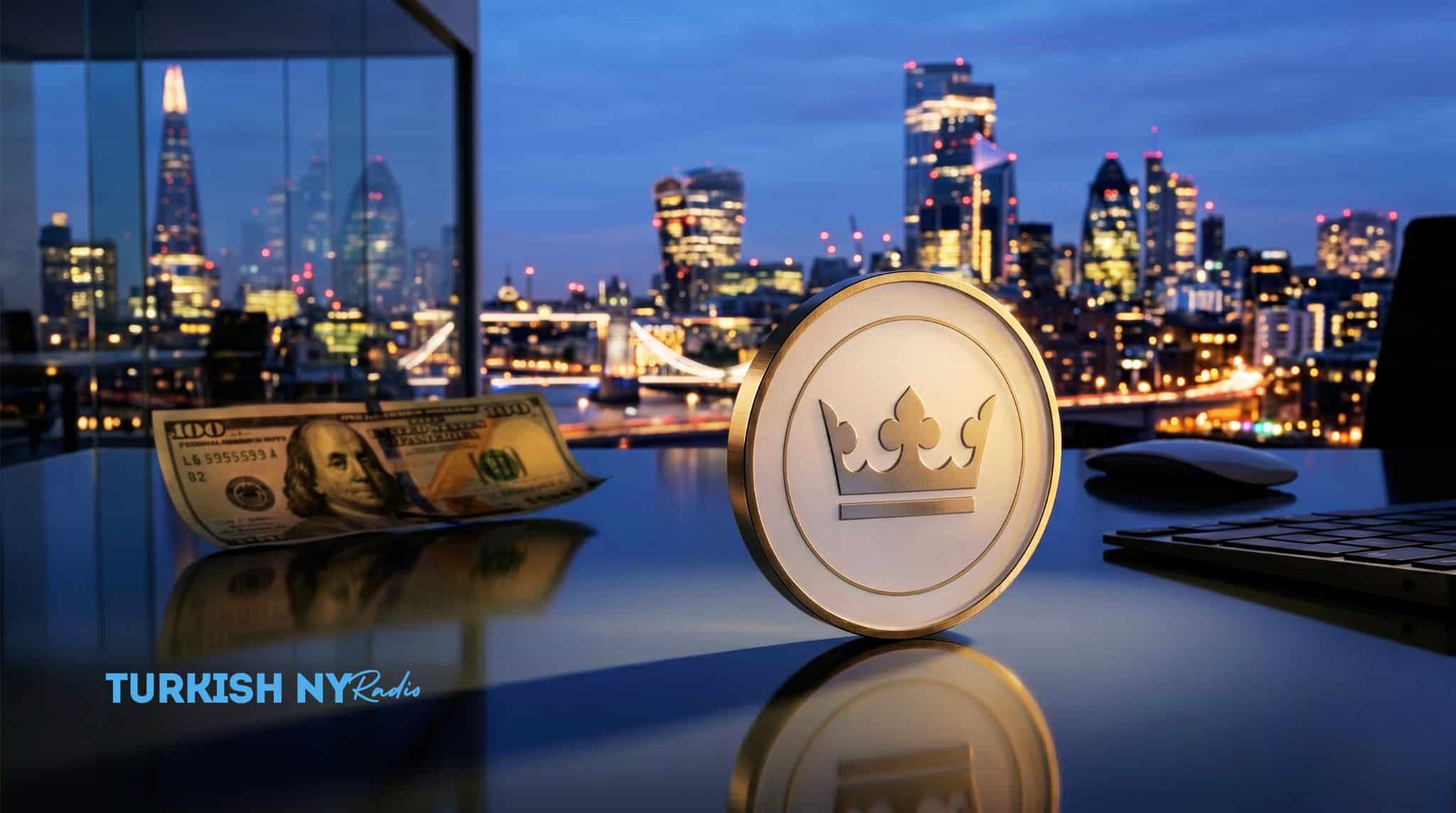
Can the Swedish Krona Stablecoin Challenge Dollar Dominance?
Can Local-Currency Stablecoins Challenge Dollar Networks?
The launch of the Swedish krona stablecoin represents a broader experiment taking place across Europe.
Regulators have created a framework that supports compliant digital currencies tied to sovereign fiat money. What remains uncertain is whether businesses will choose those local-currency options when dollar-backed alternatives already dominate blockchain markets.
Potential demand could come from Nordic corporate treasuries, tokenized securities platforms, institutional collateral transfers, and cross-border payment providers that require Swedish krona settlement directly on-chain.
For now, SEKAU has achieved what many stablecoin projects struggle to secure: regulatory approval and institutional backing. The next phase is far more important.
Adoption, liquidity, and transaction activity will determine whether the Swedish krona stablecoin becomes useful infrastructure or simply another regulated token competing in a market still led by the US dollar.
Summary
- AllUnity has introduced SEKAU, a regulated Swedish krona stablecoin backed by fully reserved SEK holdings and launched across five major blockchain networks.
- Rather than targeting retail traders, SEKAU is designed to help businesses and institutions handle payments, settlements, and treasury operations on-chain.
- The launch expands AllUnity’s growing portfolio of European currency-backed stablecoins.
- While the regulatory framework is already in place, real adoption will depend on user demand and liquidity.
- SEKAU’s progress could reveal whether local-currency stablecoins can gain ground against dollar-backed market leaders.
Glossary of Key Terms
1. Stablecoin A stablecoin is digital money that stays close in value to real-world currencies like the US dollar or Swedish krona. It’s like keeping cash in digital form so its value doesn’t swing up and down.
2. Swedish krona (SEK) This is Sweden’s official money. Just like rupees or dollars, it’s used for everyday buying, selling, and payments in Sweden.
3. SEKAU SEKAU is a digital version of the Swedish krona created by AllUnity. It moves on blockchain networks and is mainly designed to make business payments faster and easier.
4. MiCA Regulation MiCA is a set of rules made by the European Union for crypto assets. You can think of it like a safety framework that ensures stablecoins are properly managed and trustworthy.
5. Blockchain A blockchain is a shared digital record system where transactions are stored securely. It’s like a public notebook that everyone can check, but no one can secretly alter.
6. 1:1 Backing This means every SEKAU token is supported by one real Swedish krona kept in reserve. So if you hold 1 SEKAU, it should always equal 1 SEK.
7. Institutional Use This refers to big players like banks, companies, and financial firms using digital assets for payments and settlements instead of everyday retail users.
8. Liquidity Liquidity simply means how easily something can be traded or used in the market. The easier it is to move in and out, the more liquid it is.
FAQs About Swedish Krona Stablecoin
1. What is the Swedish krona stablecoin SEKAU?
SEKAU is a digital version of the Swedish krona created by AllUnity. It’s fully backed by real SEK reserves and mainly built for businesses to move and settle money on blockchain networks.
2. How can businesses actually use it?
Companies can use SEKAU to send payments, manage treasury funds, and settle transactions across borders, all while staying in Swedish krona instead of converting to dollars.
3. Is it safe and properly regulated?
Yes. SEKAU follows the EU’s MiCA rules, is fully backed by real reserves, and works with regulated banking partners to keep funds secure and compliant.
4. What decides if it becomes successful?
Its future depends on whether institutions actually use it. Things like real trading activity, liquidity, exchange support, and demand for SEK settlement will be the real test.
ReferencesAllUnity
European Commission
Banking Circle