BitcoinWorld Thailand Expands Probe Into $300 Million Illegal Crypto Mining Network Tied to Chinese Crime Ring Thailand’s Department of Special Investigation (DSI) is broadening its investiga
BitcoinWorld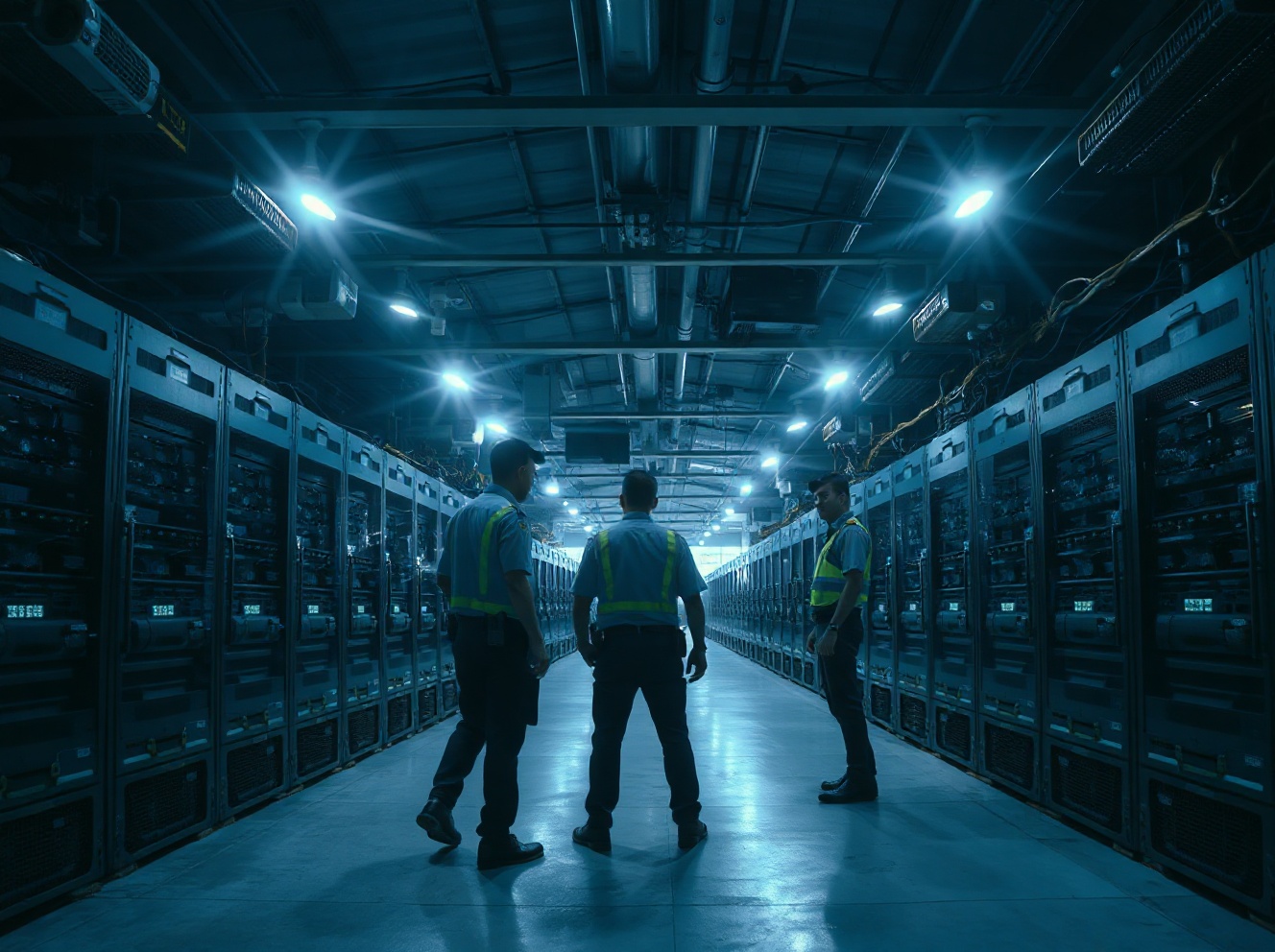 Thailand Expands Probe Into $300 Million Illegal Crypto Mining Network Tied to Chinese Crime Ring
Thailand’s Department of Special Investigation (DSI) is broadening its investigation into a sprawling illegal cryptocurrency mining operation, with financial flows potentially exceeding 10 billion baht (approximately $300 million) annually. According to a report by Decrypt, the probe is now focused on a financial network believed to be linked to a criminal organization with Chinese origins.
From Electricity Theft to a Multimillion-Dollar Network
The investigation began as a targeted crackdown on illegal mining farms that were stealing vast amounts of electricity. These operations, often hidden in industrial estates or remote warehouses, consume enormous power to run the specialized computers needed to mint new cryptocurrency coins. The DSI’s initial raids led to the dismantling of three major mining groups and the seizure of more than 6,390 mining rigs. However, as authorities traced the financial trails, they uncovered a much larger and more sophisticated network.
The connection to a Chinese-linked criminal organization adds a significant transnational dimension to the case. This suggests the illegal mining was not merely opportunistic but part of a larger, organized effort to generate and launder money, likely exploiting Thailand’s infrastructure and regulatory gaps.
Implications for Thailand’s Energy and Regulatory Landscape
This case highlights a persistent challenge for authorities worldwide: the intersection of cryptocurrency’s energy-intensive nature and the temptation for illegal actors to bypass costs. Electricity theft for crypto mining strains local power grids and represents a direct financial loss for state utilities. For Thailand, a country with a growing digital economy but also strict energy regulations, this probe serves as a critical test of its ability to police decentralized financial activities.
The scale of the seizure—over 6,390 rigs—is among the largest in Southeast Asia, signaling that the DSI is taking a hard line. The investigation is now moving beyond the physical hardware to follow the money, targeting the financial infrastructure that enabled the operation to process such a high volume of transactions.
What This Means for Investors and the Crypto Market
For legitimate cryptocurrency miners and investors in the region, this crackdown reinforces the importance of compliance. It also serves as a reminder that regulatory scrutiny is intensifying, particularly around energy consumption and anti-money laundering (AML) protocols. The case could lead to stricter oversight of mining operations in Thailand, potentially affecting the cost and feasibility of legal mining in the country.
Conclusion
The DSI’s expanded probe into a $300 million illegal crypto mining network tied to a Chinese crime ring represents a significant escalation in Thailand’s fight against crypto-related financial crime. By moving from seizing hardware to dismantling financial networks, authorities are signaling a more sophisticated approach. The outcome of this investigation will likely influence how Thailand—and potentially other nations in the region—regulates and polices the cryptocurrency mining sector going forward.
FAQs
Q1: Why is electricity theft a common problem with illegal crypto mining?Cryptocurrency mining requires vast amounts of electricity to power and cool computer hardware. To maximize profits, illegal operators often bypass meters or tap directly into power lines, stealing electricity and avoiding the single largest operational cost of mining.
Q2: How does the DSI’s investigation connect to a Chinese crime ring?According to the report, the DSI is tracking financial transactions that indicate the mining operation was not an isolated local activity but was connected to a larger criminal network with Chinese roots. This suggests the operation was part of an organized effort to generate and launder money across borders.
Q3: What happens to the seized mining rigs?Seized mining rigs are typically held as evidence during the investigation and legal proceedings. After a case is resolved, they may be auctioned off by the state, destroyed, or, in some cases, repurposed for official use. The specific outcome depends on Thai law and the court’s ruling.
This post Thailand Expands Probe Into $300 Million Illegal Crypto Mining Network Tied to Chinese Crime Ring first appeared on BitcoinWorld.