The Federal Reserve has started a new round of Treasury bill purchases, reviving a question crypto traders have been asking for months: is the Fed quietly easing again? The New York Fed plans
The Federal Reserve has started a new round of Treasury bill purchases, reviving a question crypto traders have been asking for months: is the Fed quietly easing again?
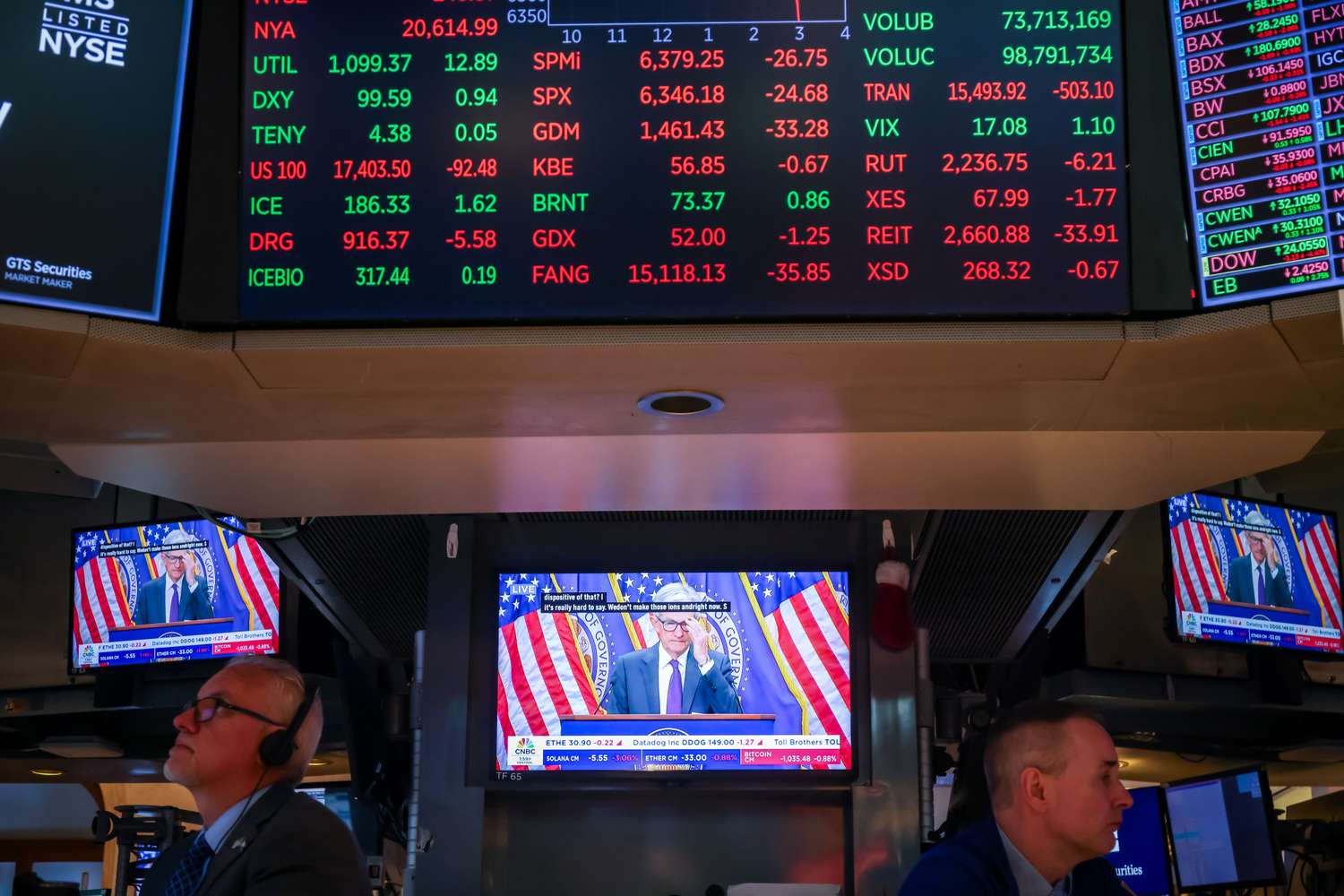
The New York Fed plans approximately $15.6 billion in Treasury bill reinvestment purchases between September 15 and October 14, with no separate reserve management purchases scheduled. The Fed raised its federal funds target range by 25 basis points to 3.75% to 4% on September 16.
Reinvestments replace maturing debt rather than expanding the Fed’s balance sheet, which is what separates this from quantitative easing. The Fed says its operations are intended to maintain an ample level of reserves.

Source:
The New York Fed
Why liquidity matters for Bitcoin
The question is whether the Fed’s operations improve financial conditions for crypto markets. Bitcoin has become more sensitive to dollar liquidity, Treasury yields and leverage. When funding becomes easier, investors can take more risk. When liquidity tightens, speculative assets can face pressure.
DeFi Planet’s analysis of Bitcoin and dollar liquidity explained the indicators, including the dollar, bond yields and credit spreads. The current operation gives traders a data point, but does not establish that financial conditions are becoming loose.
Market data already shows risk appetite. Flicker.finance reported on September 18 that total crypto market capitalization reached $2.682 trillion, up 2.94% in 24 hours. Bitcoin traded near $78,160, up 2.53%, while Ethereum gained 3.33% to about $2,505.
Flicker showed sharper gains further down the risk curve. Uniswap rose 31.50%, Arbitrum gained 27.68%, and NEAR climbed 26.22%, all outpacing Bitcoin’s own advance. Flicker’s indicators were mixed on Bitcoin: a Hold signal at 78% confidence, alongside a Buy-rated trend but Hold-rated momentum, suggesting the platform’s models see a positive setup without full conviction yet.
ALSO READ: Fed’s Expected Rate Hike Is Already Priced In, but Warsh’s Conference Could Still Shake Bitcoin
Traders are watching the transmission
The liquidity narrative is already appearing in market commentary. Martini Guy said liquidity was back on his radar and that he was watching to see whether Bitcoin reacts to the purchases. Coinvo linked the purchases to market liquidity, although its $16.5 billion figure differs from the New York Fed’s $15.6 billion schedule.
The more important test is whether liquidity reaches risk assets. A $15.6 billion reinvestment is small relative to US financial markets. Its market effect depends on reserve conditions, Treasury yields, dollar strength and investor positioning.
The Fed’s rate decision complicates the picture further. Policymakers raised rates while maintaining an ample-reserves framework. Traders therefore cannot treat Treasury purchases as proof that monetary policy has become easier.
What crypto traders should watch
Treasury yields may matter more than the purchase headline. Falling yields alongside stable reserves and stronger risk appetite would support crypto’s current rally. Rising yields and tighter financial conditions would argue against it.
Stablecoin flows and derivatives positioning also matter. Flicker’s dashboard showed positive funding on some assets, indicating that leveraged longs are paying to maintain positions. If leverage rises too quickly, a liquidity-driven rally can become vulnerable to forced liquidations.
For Bitcoin, the next signal will come from Fed operations, bond yields, dollar liquidity, and market positioning. The purchases put liquidity back into focus, but the data does not support calling them a new QE cycle.
Enjoyed this? BookmarkDeFi Planet, explore related topics, and follow us onTwitter,LinkedIn,Facebook,Instagram,Threads, and CoinMarketCap Community for seamless access to high-quality industry insights
Take control of your crypto portfolio with DEFI PLANET PRO, DeFi Planet’s suite of analytics tools.
The post The Fed Is Buying Treasuries Again, Traders Shouldn’t Call It QE Yet appeared first on DeFi Planet.