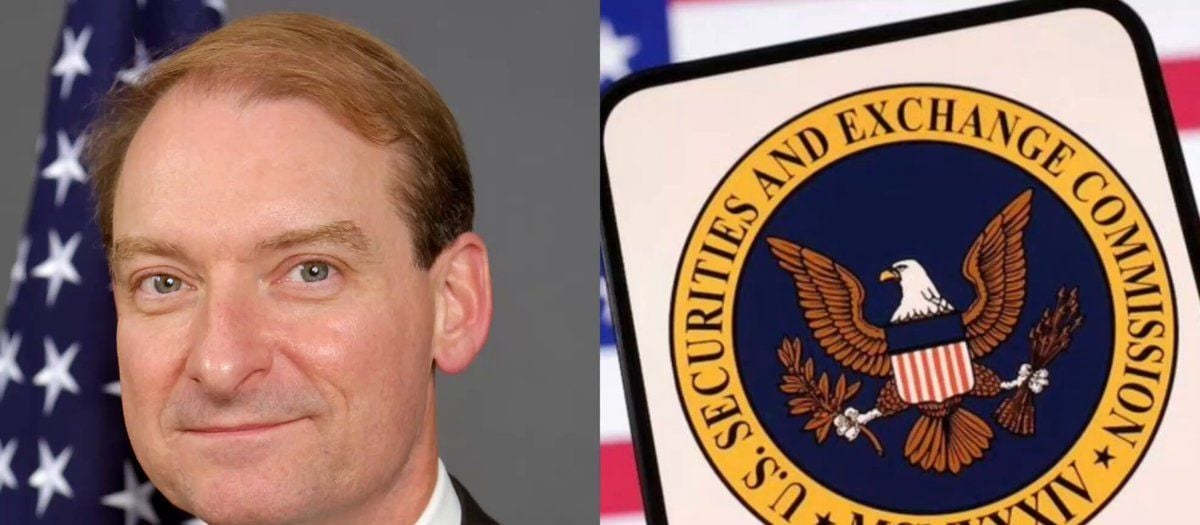
The U.S. Securities and Exchange Commission has taken a significant step toward bringing digital assets into the mainstream regulatory framework. The agency formally submitted a new custody p
The U.S. Securities and Exchange Commission has taken a significant step toward bringing digital assets into the mainstream regulatory framework. The agency formally submitted a new custody proposal to the White House on August 25, marking one of the most concrete moves yet under Chairman Paul Atkins to modernize how investment advisers handle crypto on behalf of clients.
What the Proposal Covers
The proposal, sent to the White House Office of Management and Budget, would clarify how investment advisers and investment companies can custody crypto assets, including $BTC, $ETH, and $XRP, for their clients. It would also remove outdated custody provisions that the SEC says no longer provide adequate investor protections given how digital asset markets and trading practices have evolved.
A central element of the rulemaking is the expansion of what counts as a "Qualified Custodian." Under the new framework, firms meeting high federal standards for safety and auditing could qualify, broadening the pool of institutions that registered investment advisers can rely on to hold client crypto assets.
Atkins' Broader Push for Crypto Clarity
The custody proposal fits within a wider reform agenda that Atkins has been building since taking over at the SEC. He has directed staff to update custody rules so they are, in his words, "adaptable and adapted to the modern world and to this new technology," including clarified expectations for qualified custodians and better alignment of existing rules with how blockchains actually function. The move is part of Chairman Paul Atkins' push to modernize the agency's regulatory framework, shifting away from the enforcement-heavy approach of previous leadership toward clearly defined rules for issuance, custody, and trading of digital assets.
The proposal is still under OMB review, and details will not be made public until that review is complete. If it advances, the SEC would typically open a public comment period of at least 60 days before drafting a final rule and putting it to a commission vote.
For registered investment advisers currently navigating a fragmented and uncertain custody landscape, the proposal represents a meaningful step toward the regulatory clarity the industry has long sought.
Sources:SEC submits digital asset custody proposal to White House for review, Crypto BriefingSEC top five priorities in 2026, EYSEC Chair Paul Atkins sets 2026 agenda for crypto and tokenization, Coinpaper