Global blockchain networks earn $17.51M in fees each week, and three chains account for more than 70% of that total, according to data from @chainspect_app. Tron, Solana and BNB Chain dominat
A
AnonymousCryptoCompass newsroom
October 23, 2026
2 min read
NEWS
CryptoCompass editorial visual for altcoins coverage.
Global blockchain networks earn $17.51M in fees each week, and three chains account for more than 70% of that total, according to data from @chainspect_app.
Tron, Solana and BNB Chain dominate fee revenue
@trondao leads with $5.56M a week, a 32% share. The network's position rests on sustained cross-border $USDT activity. Tron's lead is consistent with other published data. A Messari report covered by Blockonomi showed Tron processed $2.1 trillion in USDT transfers in the second quarter of 2026 and held 47.6% of tracked USDT supply at the end of June.
@Solana ranks second with $4.20M (24%), driven by high-throughput trading activity. @BNBCHAIN follows with $2.74M (16%). Together, the top three hold 72% of weekly fees.
@Ethereum earns $2.15M (12%) in mainnet fees, ahead of Bitcoin at $1.42M (8%). Ethereum's figure covers its base layer only, since much activity has moved to Layer-2 networks.
Among those, @Base earns $548K (3%) and @Polygon $419K (2%). The remaining 25 alternative Layer-1 protocols share just $473K between them, which shows how concentrated fee income is among a few large networks.
Fee revenue is one way to gauge real usage, though it varies from week to week. Tron's total also depends on its fee model, which uses energy and bandwidth rather than a standard gas fee. As a result, heavy $USDT traffic converts into significant protocol income, as CoinDesk Research noted in its Q2 2026 review, which put Tron's quarterly fees at $89M, second only to Hyperliquid on its measure.
Figures from different providers can differ because of varying methodologies and measurement windows, so readers comparing data should check how each source defines fees and revenue.
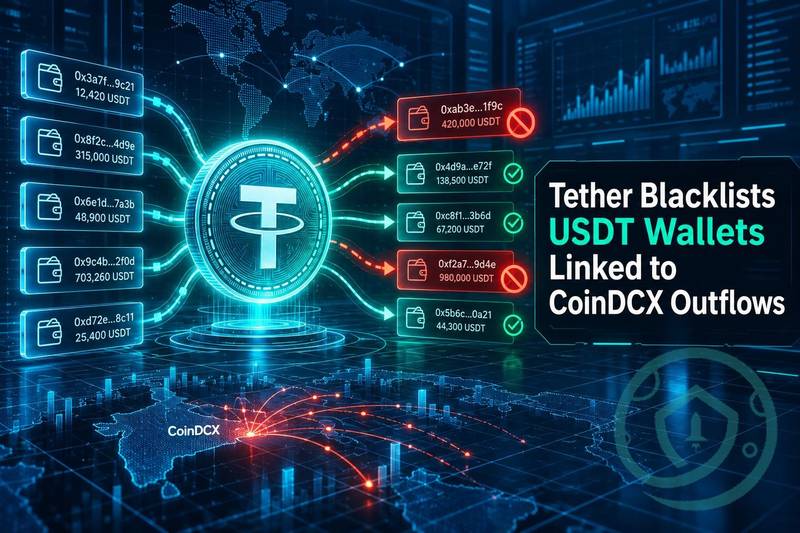
Tether has reportedly blacklisted a set of USDT wallets described as linked to outflows from CoinDCX, one of India's largest centralized crypto exchanges, in what would mark another use of th
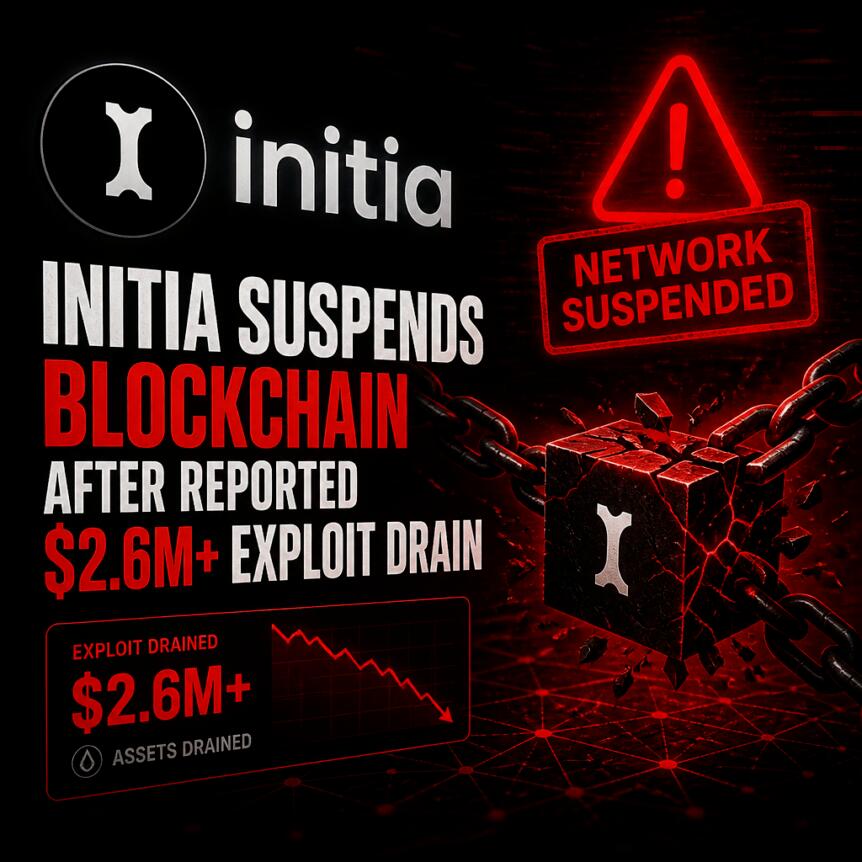
Initia has paused operations of its layer-1 network and rollups after security researchers reported an exploit that allegedly enabled unauthorized token minting and the drainage of crypto fun
What to Know Stellar completed its first regulated Treasury-backed repo transaction through Ascend Markets and M1X Global, using tokenized securities and USDC. Smart contracts executed 72 aut