Data indicate Uniswap accounts for more than 99% of stock-token deposits flowing into Robinhood Chain, a concentration that positions the decentralized exchange as the near-exclusive on-ramp
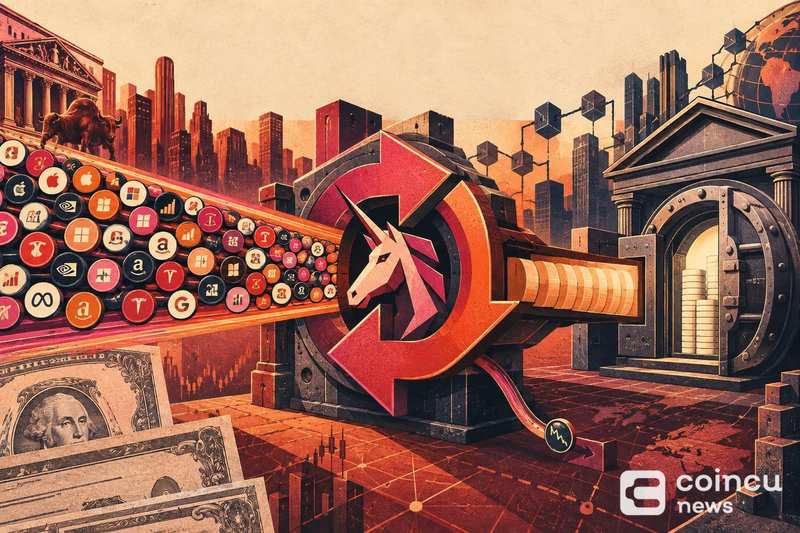
Data indicate Uniswap accounts for more than 99% of stock-token deposits flowing into Robinhood Chain, a concentration that positions the decentralized exchange as the near-exclusive on-ramp for tokenized equity activity on the network during its early operating period.
Uniswap accounts for more than 99% of Robinhood Chain stock-token deposits
The reported deposit-share figure measures which venue originates stock-token deposits into Robinhood Chain, not total trading volume, unique wallet count, or the full scope of on-chain stock-token activity. The distinction matters: a single protocol supplying more than 99% of observed deposits reflects routing concentration at the point of entry, which may diverge significantly from how users interact with those assets after arrival. The underlying dataset's timeframe, deposit values, transaction counts, and methodology have not been disclosed alongside the headline figure. For related coverage, see Uniswap (UNI) Price Down 11%; Catalyst Unconfirmed.
Stock tokens are blockchain-based instruments designed to provide on-chain exposure to or representation of equities, subject to each token's specific design, terms, and applicable regulatory treatment. Deposits, in this context, move assets from an originating venue into the destination chain's environment and are distinct from buying, selling, minting, or withdrawing those tokens. That Uniswap is the reported origin venue does not make it the issuer of every stock token on the chain. For related coverage, see BlockDAG’s Buyback Opens With 250% Extra BDAG at $0.00000007 While Ethereum Rally Cools & Uniswap Eyes Further Gains.
Why Uniswap is the dominant route for stock-token deposits
Deposit-source concentration of this magnitude on an early-stage chain typically reflects where available liquidity already exists rather than exclusive design. Uniswap's established pool infrastructure across multiple EVM-compatible networks gives it a structural advantage as a routing layer: users seeking to move tokenized assets across chains tend to enter at the venue with the deepest liquidity for those pairs. Whether that routing reflects user choice, front-end defaults, or the absence of alternative bridges is not specified in the available data. As regulatory discussions around DEX classification continue at the SEC, Uniswap's role as a primary conduit for tokenized equities may attract additional scrutiny beyond what standard token-swap activity generates. For related coverage, see Why Is Bitcoin Cash (BCH) Price Surging Today?.
A deposit-source share above 99% is not the same as market-wide dominance over all Robinhood Chain stock-token activity. Users may trade, hold, or redeem tokens through other interfaces after the initial deposit; the figure speaks only to the entry point, not to the full lifecycle of those assets on-chain.
What concentrated inflows could mean for Robinhood Chain
A single dominant deposit route simplifies early liquidity access but creates structural reliance on one ecosystem's uptime, fee conditions, and governance decisions. If Uniswap pool depth shifts, congestion spikes, or a protocol-level change alters routing economics, Robinhood Chain's stock-token deposit flow would be directly affected, a dependency that diversified inflow channels would otherwise buffer. The CFTC's emerging framework around tokenized assets and 24/7 trading adds a regulatory dimension: a chain where one venue controls nearly all entry-point deposits presents a different compliance surface than one with distributed inflow sources.
The data needed to assess whether this pattern persists or normalizes include the period covered by the measurement, the total value and count of deposits, a breakdown by token, unique wallet addresses using each route, and whether any alternative deposit paths exist but remain unused. None of those parameters accompany the current headline figure.
FAQ: Uniswap and Robinhood Chain stock-token deposits
What does Uniswap's more-than-99% share refer to? It refers to the reported share of stock-token deposits into Robinhood Chain that originate from Uniswap, per the data cited in the headline. The measurement period and deposit methodology are not currently available.
Does this prove Uniswap controls all Robinhood Chain stock-token trading? No. Deposit-source share measures where assets enter the chain, not how they are traded, held, or redeemed once inside. Secondary trading activity may involve a different set of venues and protocols entirely.
What additional data would clarify the finding? A full picture requires the timeframe covered, total deposit values and transaction counts, a per-token breakdown, unique wallet data for each deposit route, and the methodology used to attribute deposits to Uniswap versus other potential sources. Until those parameters are published, the more-than-99% figure should be treated as a data point requiring confirmation rather than a settled characterization of Uniswap's role on Robinhood Chain.
Additional source references: source document 1.
Disclaimer: This article is for informational purposes only and does not constitute financial or investment advice. Cryptocurrency and digital asset markets carry significant risk. Always do your own research before making decisions.
The post Uniswap Drives 99% of Robinhood Chain Stock-Token Deposits was initially published on Coincu.