BitcoinWorld US Dollar Gains on Gulf Tensions, Oil Rises as Canadian Inflation Cools The US Dollar strengthened against major peers on Tuesday, driven by escalating geopolitical tensions in t
BitcoinWorld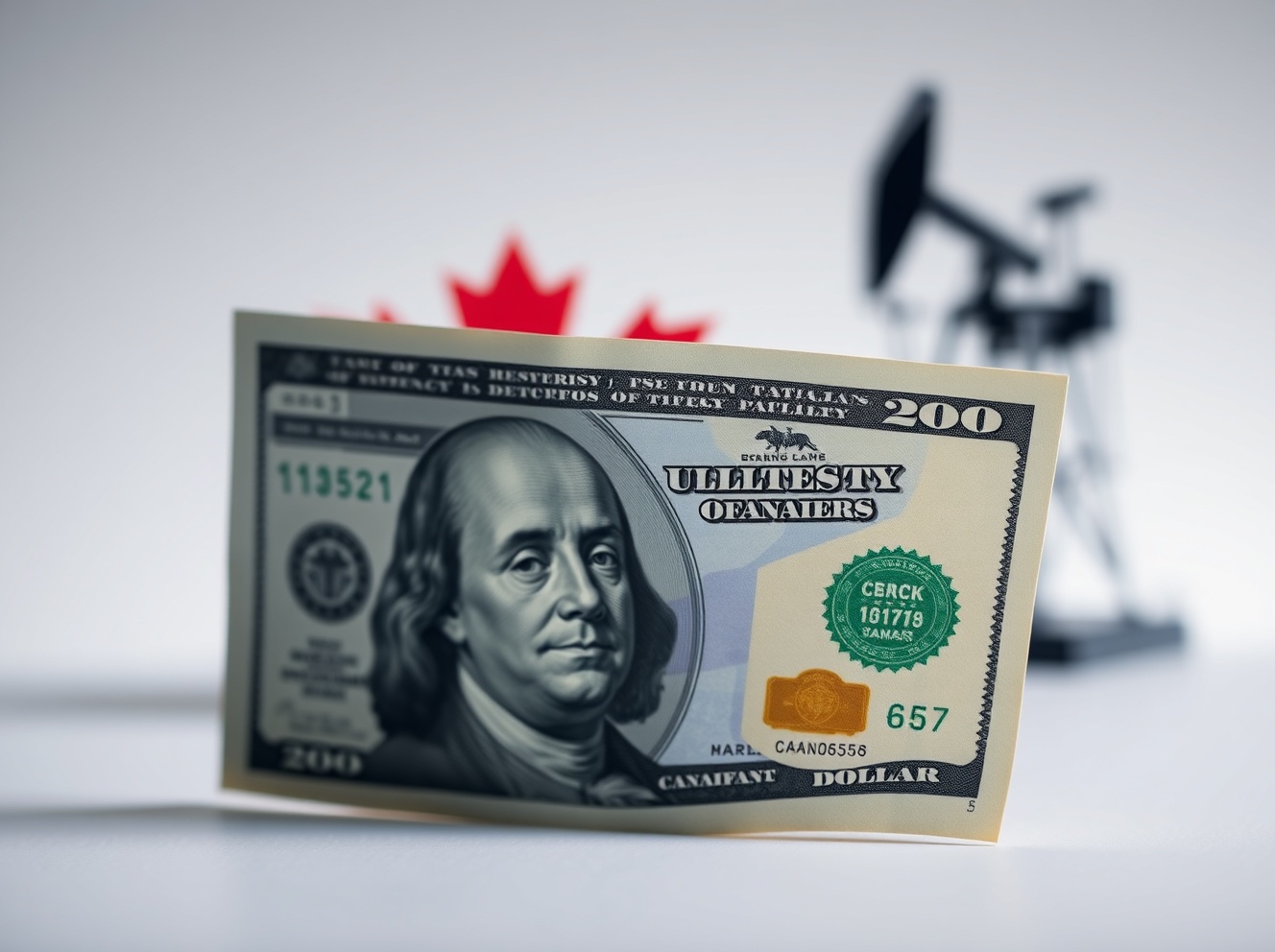 US Dollar Gains on Gulf Tensions, Oil Rises as Canadian Inflation Cools
The US Dollar strengthened against major peers on Tuesday, driven by escalating geopolitical tensions in the Gulf region, while crude oil prices rose in response to supply concerns. Meanwhile, fresh data from Canada showed inflation cooling more than expected, adding another layer of complexity to the global foreign exchange market.
Geopolitical Tensions Boost Safe-Haven Dollar
The US Dollar found support as renewed hostilities in the Gulf region raised demand for safe-haven assets. Reports of increased military posturing and threats to key shipping lanes have heightened uncertainty, prompting investors to move capital into the greenback. This shift is typical during periods of geopolitical stress, as the US Dollar is widely viewed as a stable store of value.
The impact was immediately visible in currency pairs. The Euro and British Pound both fell against the Dollar, while emerging market currencies experienced more pronounced selling pressure. The Dollar Index (DXY) climbed above the 104.00 mark, reflecting broad-based strength.
Oil Prices Surge on Supply Disruption Fears
Crude oil prices rallied sharply, with Brent crude rising over 2% and West Texas Intermediate (WTI) approaching $80 per barrel. The gains were fueled by fears that the Gulf tensions could disrupt oil production or transit through the Strait of Hormuz, a critical chokepoint for global oil shipments. Any actual disruption would have immediate and severe consequences for global energy supplies.
The rally in oil prices also had a knock-on effect on currencies of major oil exporters, such as the Canadian Dollar and Norwegian Krone, though these gains were tempered by broader risk aversion and domestic economic data.
Canadian Inflation Data Adds to Market Complexity
In Canada, the Consumer Price Index (CPI) for the previous month came in below expectations, showing an annualized increase of 2.8%, down from 3.1% in the prior reading. This was below the Bank of Canada’s (BoC) target range and signals that inflationary pressures are easing faster than anticipated. The data has fueled speculation that the BoC may consider cutting interest rates sooner than previously forecast, which weighed on the Canadian Dollar despite the lift from higher oil prices.
The combination of a stronger US Dollar and softer Canadian inflation created a volatile environment for the USD/CAD pair, which saw sharp intraday swings. Traders are now closely watching for further cues from the BoC and any developments in the Gulf region.
What This Means for Traders and Investors
The current market dynamics underscore the interplay between geopolitical risk and economic fundamentals. For forex traders, the immediate focus remains on the US Dollar’s safe-haven appeal and the trajectory of oil prices. The cooling Canadian inflation introduces a new variable, potentially diverging the BoC’s policy path from the Federal Reserve’s. This divergence could create opportunities in currency pairs like USD/CAD.
Investors with exposure to energy markets should monitor the Gulf situation closely, as any escalation could lead to sustained higher oil prices. Conversely, a de-escalation could trigger a sharp reversal in both the Dollar and oil prices.
Conclusion
The US Dollar’s rise, fueled by Gulf tensions, and the surge in oil prices represent a classic risk-off market reaction. The unexpected cooling of Canadian inflation adds a domestic economic dimension that complicates the outlook for the Canadian Dollar. Market participants should remain vigilant, as the situation remains fluid and subject to rapid change based on geopolitical developments and upcoming economic data releases.
FAQs
Q1: Why did the US Dollar rise today?A1: The US Dollar rose primarily due to increased demand for safe-haven assets following heightened geopolitical tensions in the Gulf region. Investors often flock to the Dollar during times of uncertainty.
Q2: How did Canadian inflation data affect the market?A2: Canadian inflation cooled more than expected, coming in at 2.8% annually. This raised expectations that the Bank of Canada might cut interest rates sooner, which weakened the Canadian Dollar against the US Dollar.
Q3: What is the connection between Gulf tensions and oil prices?A3: The Gulf region is a major oil-producing area, and tensions there raise the risk of supply disruptions, particularly through key shipping routes like the Strait of Hormuz. This fear of reduced supply pushes oil prices higher.
This post US Dollar Gains on Gulf Tensions, Oil Rises as Canadian Inflation Cools first appeared on BitcoinWorld.