The US Treasury Department has sanctioned Nobitex, described as Iran's largest cryptocurrency exchange, in a move that underscores Washington's expanding use of financial sanctions against di
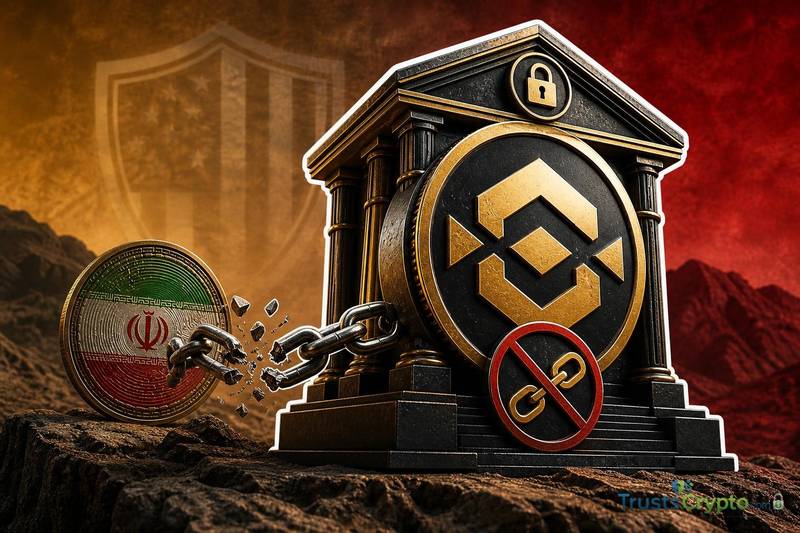
The US Treasury Department has sanctioned Nobitex, described as Iran's largest cryptocurrency exchange, in a move that underscores Washington's expanding use of financial sanctions against digital asset platforms tied to sanctioned jurisdictions.
The Office of Foreign Assets Control (OFAC) announced the designation as part of a broader effort to disrupt Iran's access to the global financial system. The action targets Nobitex specifically for its role in facilitating cryptocurrency transactions within Iran, according to a Treasury Department press release.
The designation means that all property and interests in property of Nobitex that are within US jurisdiction are now blocked. US persons are generally prohibited from engaging in transactions with the exchange.
Why OFAC targeted Nobitex
Treasury officials framed the action around concerns that Iranian crypto platforms enable sanctions evasion. Nobitex, as the country's dominant exchange by volume, represented a significant channel for converting cryptocurrency into usable funds outside the reach of traditional banking restrictions.
The sanctions fall under OFAC's authority to target entities that support Iran's financial infrastructure. Additional context on how these designations work is available through OFAC's published guidance on virtual currency-related sanctions.
The move follows a pattern of Treasury actions against crypto platforms operating in sanctioned jurisdictions. OFAC has previously targeted mixers and exchanges it accuses of facilitating illicit finance.
What the sanctions mean for Nobitex and its users
For Nobitex, the designation effectively cuts the platform off from any touchpoint with the US financial system. Global exchanges, stablecoin issuers, and payment processors that interact with US banks will be required to block transactions linked to the sanctioned entity.
Counterparties that continue to process Nobitex-related transactions risk secondary sanctions exposure. This is particularly relevant for exchanges that may have unknowingly facilitated cross-border flows involving the platform, a dynamic that has become increasingly common as major exchanges expand their global broker integrations.
Users of the platform face potential asset freezes if their funds transit through any US-connected infrastructure. Stablecoin issuers such as Tether and Circle have historically complied with OFAC designations by freezing addresses associated with sanctioned entities.
The practical effects depend on the exact scope of the designation and whether additional entities, such as individuals or affiliated wallets, are named in subsequent updates to the Specially Designated Nationals list.
Broader implications for crypto compliance
The Nobitex designation signals that Treasury views crypto exchanges in sanctioned countries as high-priority targets. For the global industry, it reinforces the compliance burden on platforms to screen counterparties and trace fund origins.
Exchanges operating in jurisdictions with weaker oversight may face heightened scrutiny. The action also raises questions about how decentralized protocols, which lack a central operator to enforce sanctions, will handle interactions with designated addresses.
For institutional participants evaluating their crypto exposure, sanctions risk has become a core compliance consideration. Firms like Charles Schwab, which recently commented on its Bitcoin and Ethereum positioning, must now factor OFAC compliance into their digital asset strategies.
The designation also adds pressure on stablecoin issuers to demonstrate robust compliance programs, as sanctioned entities frequently use dollar-pegged tokens to move value across borders.
FAQ
What did the US Treasury do?
OFAC designated Nobitex, Iran's largest cryptocurrency exchange, under its sanctions authority. This blocks the exchange's US-connected property and prohibits US persons from transacting with it.
Which exchange was sanctioned?
Nobitex, which operates as the largest crypto trading platform in Iran by reported volume.
What do sanctions typically mean for a crypto business?
An OFAC designation cuts a platform off from the US financial system. Global partners, banks, and stablecoin issuers are required to block related transactions, effectively isolating the entity from dollar-denominated markets.
Could users be affected?
Users whose funds pass through US-connected infrastructure, including major stablecoins, may see assets frozen. The exact impact depends on the scope of the designation and enforcement actions by compliant intermediaries.
Disclaimer: This article is for informational purposes only and does not constitute financial or investment advice. Cryptocurrency and digital asset markets carry significant risk. Always do your own research before making any investment decisions.
Read original article on trustscrypto.com