A utility executive says a bitcoin mining deal helped prevent a 3% rate increase for customers, framing crypto power demand not as a cost driver but as a shield for household bills. What the
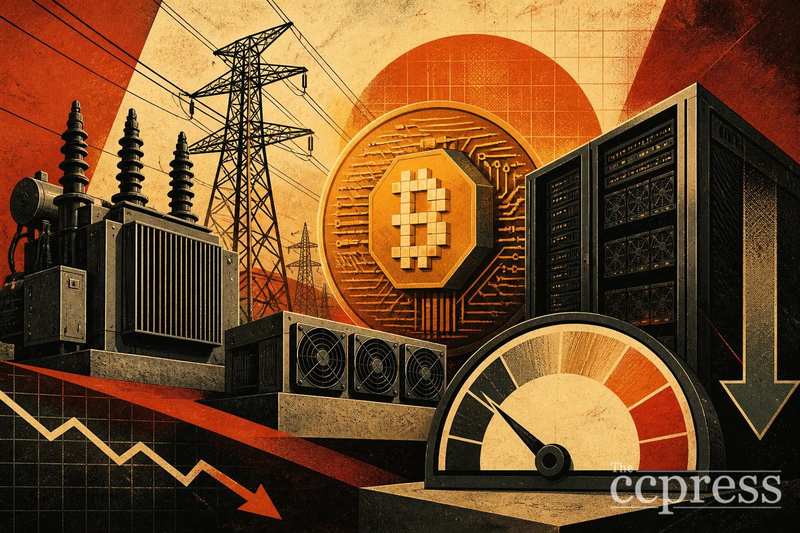
A utility executive says a bitcoin mining deal helped prevent a 3% rate increase for customers, framing crypto power demand not as a cost driver but as a shield for household bills.
What the Utility Executive Said About the Bitcoin Mining Deal
The claim is narrow but pointed: a bitcoin mining arrangement kept customer rates from climbing by 3%, according to reporting on the executive’s remarks. For related coverage, see Franklin Templeton Highlights XRP Real-World Utility — What a $1.6T Manager Sees.
The figure matters because it is specific. Not a vague “savings,” but a concrete number tied directly to what customers would have otherwise paid. For related coverage, see Vanguard Defines Bitcoin as Speculative Asset Amid Policy Shift.
Attribution here is everything. The 3% claim comes from a utility executive describing the deal, not from an independent audit or a regulator’s finding. For related coverage, see Samsung Wallet Adds Stablecoin Support, Report Says.
How the Deal Was Framed as Preventing Higher Customer Rates
The wording is careful, and it should be read carefully. The deal was described as preventing a rate increase, not as lowering anyone’s monthly bill.
That distinction is the whole story. Customers would not see a smaller bill; they would simply avoid a larger one they might otherwise have faced.
The logic offered is straightforward: a large, steady buyer of power helps the utility spread its costs, and that framing is what turns a mining contract into a customer-rate argument.
Why the Statement Matters for Bitcoin Mining Coverage
Bitcoin mining is usually cast as a strain on the grid. Local officials have pushed back hard, with one city seeing a councilman’s referral asking staff to draft an ordinance disallowing future cryptocurrency mining data centers.
This statement flips the usual script. Instead of miners as a burden, the executive positions them as a buffer that protects ordinary ratepayers.
That framing echoes a broader industry argument that mining is a productive use of energy, a theme Michael Saylor pushed when he called bitcoin digital energy. The utility remark gives that abstract pitch a dollars-and-cents hook.
Not everyone is convinced mining delivers the value its backers claim, a skepticism that surfaces even in Vanguard’s doubts about bitcoin’s real-world use. Against that backdrop, a utility publicly crediting a mining deal for holding rates down is unusual.
The real news is not the deal itself but the public messaging around it. A utility is now using crypto mining as an argument for customers, not against them.
If that framing holds up under scrutiny, does it hand the mining industry its most persuasive talking point yet: keep your lights cheaper by keeping the miners plugged in?
Disclaimer: This article is for informational purposes only and does not constitute financial or investment advice. Cryptocurrency and digital asset markets carry significant risk. Always do your own research before making decisions.
The article Utility Executive Says Bitcoin Mining Deal Averted 3% Rate Increase first featured on theccpress.com.