BitcoinWorld Whales Sell Bitcoin to Retail Investors on Binance Futures, Analyst Warns of Potential Short Squeeze A notable divergence is unfolding in the Binance Bitcoin futures market: larg
BitcoinWorld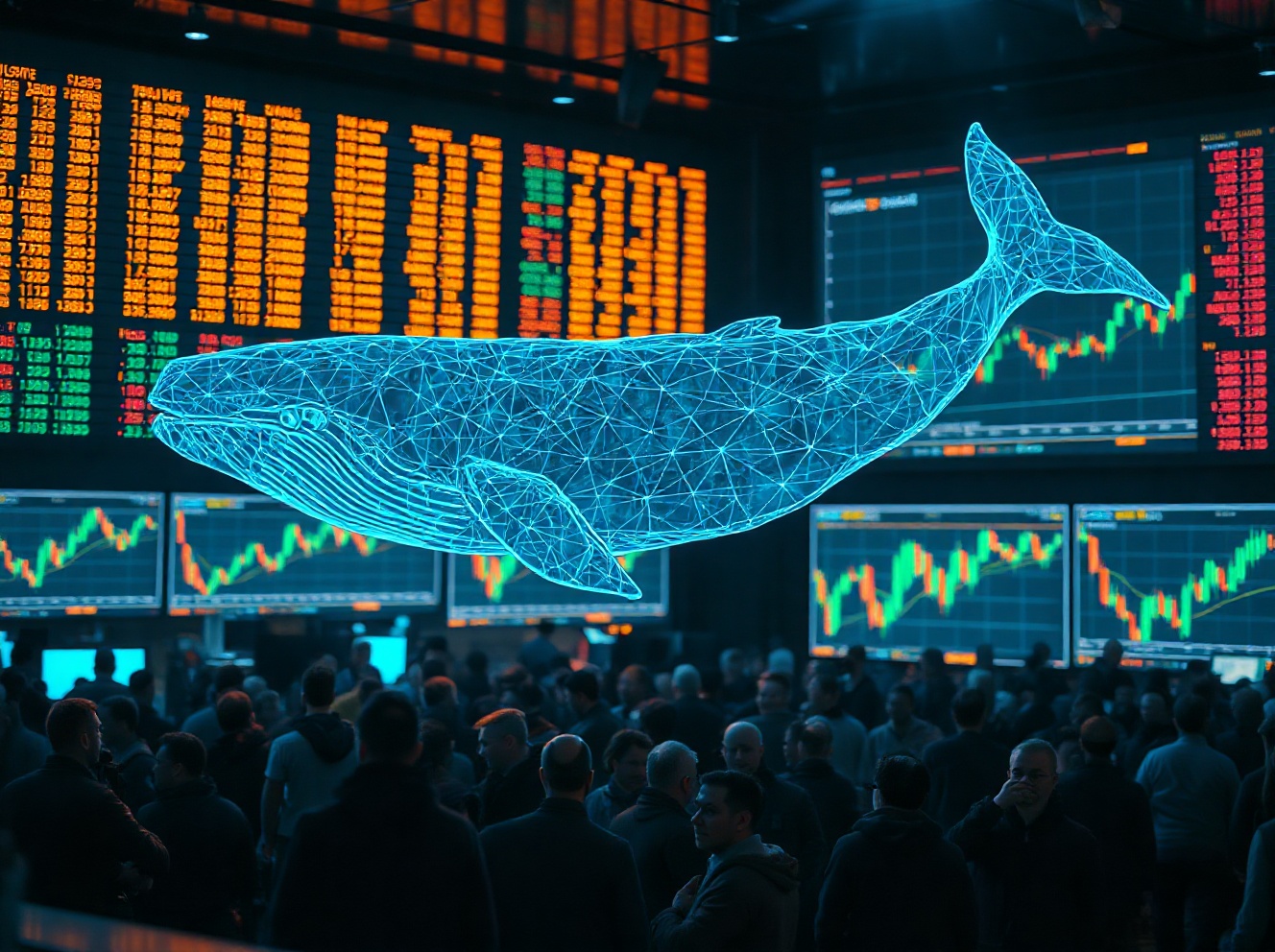 Whales Sell Bitcoin to Retail Investors on Binance Futures, Analyst Warns of Potential Short Squeeze
A notable divergence is unfolding in the Binance Bitcoin futures market: large holders, commonly referred to as whales, are selling their positions while retail investors appear to be absorbing the supply. According to a recent analysis by CryptoQuant contributor Crazzyblockk, this pattern, described as a ‘distribution-into-strength’ strategy, could set the stage for either a sharp rebound driven by a short squeeze or a continuation of the current downtrend.
Key Metrics Signal a Market at a Crossroads
The analysis is based on four distinct on-chain and exchange-derived indicators that together paint a complex picture of the current market structure. The most immediate signal is the funding rate on Binance, which is currently 370 basis points lower than the median rate across Binance, OKX, and Bybit. This places it in the bottom 2.8% of all observations since 2021. A funding rate this low suggests that leveraged positions on Binance are overwhelmingly skewed toward shorts, creating the potential for a rapid price increase if those shorts are forced to cover.
At the same time, the Taker Buy Sell Aggression Index (TBSAI) has surged by 2.66 standard deviations over the past 30 days, moving from -1.85 relative to its mid-May average to a current reading of +0.809. This sharp increase indicates that retail investors are actively buying into the price decline with conviction, acting as the primary counterparty to the selling pressure from larger entities.
Whale Behavior and Leverage Dynamics
The Inflow Whale Concentration Ratio (IWCR), which tracks the proportion of Bitcoin inflows to exchanges from whale addresses, currently sits at +0.1024, placing it in the top 22.5% of its historical range. This confirms that whale addresses have been net sellers for several weeks. The data suggests a clear transfer of coins from large, likely more sophisticated holders to smaller retail participants.
However, the overall leverage picture remains neutral. The Leverage Influence Ratio (LIR) is currently at -0.40 standard deviation from its average, indicating a market that is not overheated. This follows the significant deleveraging event in April, when the LIR peaked at +3.99 standard deviation. With no extreme leverage buildup, the risk of cascading liquidations is low, but it also means that sharp, leverage-driven price movements are unlikely without a new catalyst.
What to Watch Next
The deciding factor, according to Crazzyblockk, will be whether the LIR can break above the +1.0 standard deviation threshold. A move above this level would signal a fresh influx of leveraged positions entering the market, providing a clear directional clue. Until then, the market remains in a tug-of-war between retail buying pressure and whale distribution.
For traders, the combination of a deeply negative funding rate and strong retail buying creates a setup that historically has preceded short squeezes. However, the persistent selling from whales suggests that larger market participants may be anticipating further downside, making this a high-conviction but uncertain moment for Bitcoin futures.
Conclusion
The current dynamics on Binance Bitcoin futures reflect a classic battle between retail and institutional sentiment. While retail investors are showing confidence by buying the dip, whale selling indicates a more cautious or profit-taking stance. The neutral leverage environment means the market is not primed for a violent move in either direction without a trigger. Traders should monitor the LIR closely: a sustained rise above +1.0 standard deviation would likely confirm the next major trend, whether that be a short-squeeze rally or a continuation of the sell-off.
FAQs
Q1: What is a short squeeze in Bitcoin futures?A short squeeze occurs when a sharp price increase forces traders who have bet on falling prices (shorts) to buy back their positions to limit losses, which in turn drives the price even higher. The deeply negative funding rate on Binance suggests many shorts are currently in place, creating the conditions for such an event.
Q2: Why are whales selling Bitcoin to retail investors?Whales may be selling to lock in profits, reduce risk, or because they anticipate lower prices ahead. The analysis suggests they are using the strong retail buying demand as an opportunity to distribute their holdings at relatively favorable prices, a strategy known as ‘distribution into strength.’
Q3: What is the Leverage Influence Ratio (LIR)?The LIR is a metric that measures the deviation of current leverage in the market from its historical average. A reading above +1.0 standard deviation typically indicates that new leveraged positions are entering the market, which can signal the beginning of a directional trend. A neutral reading, as seen now, suggests the market is waiting for a catalyst.
This post Whales Sell Bitcoin to Retail Investors on Binance Futures, Analyst Warns of Potential Short Squeeze first appeared on BitcoinWorld.