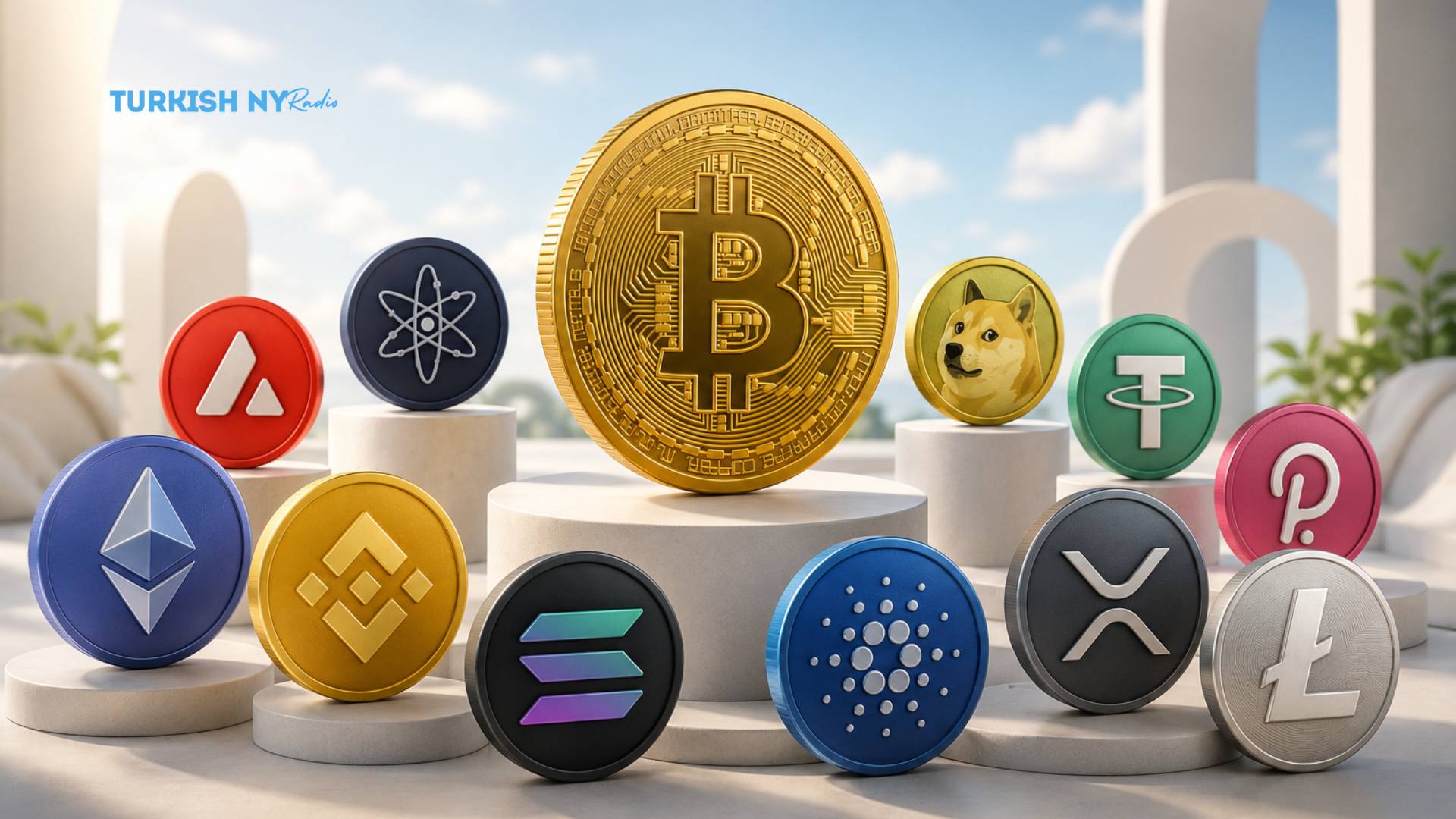
When Bitcoin arrived in 2009, it was a solitary experiment in decentralized money, radical in concept and ignored by almost everyone outside a narrow circle of cryptographers. Fast forward to
When Bitcoin arrived in 2009, it was a solitary experiment in decentralized money, radical in concept and ignored by almost everyone outside a narrow circle of cryptographers. Fast forward to mid-2026, and the cryptocurrency market now tracks over 17,000 digital assets across nearly 1,500 exchanges worldwide, with a total market capitalization sitting at roughly $2.2 trillion.
The vast majority of those assets are altcoins, and understanding what they are, why they exist, and how they behave in the current market cycle is no longer a niche interest. For investors, developers, regulators, and everyday observers, it has become a genuine financial literacy requirement.
Altcoins Explained: What They Are and Why They Matter in 2026
The term “altcoin” blends “alternative” and “coin,” and in its simplest form it refers to every cryptocurrency that is not Bitcoin. That definition, while technically clean, understates the complexity of what the category has become. When Litecoin launched in October 2011, created by Charlie Lee as a faster, lighter derivative of Bitcoin’s codebase, it became one of the earliest altcoins to gain meaningful traction. It processed blocks four times faster than Bitcoin and introduced a different hashing algorithm, demonstrating that Bitcoin’s design choices were not the only valid ones.
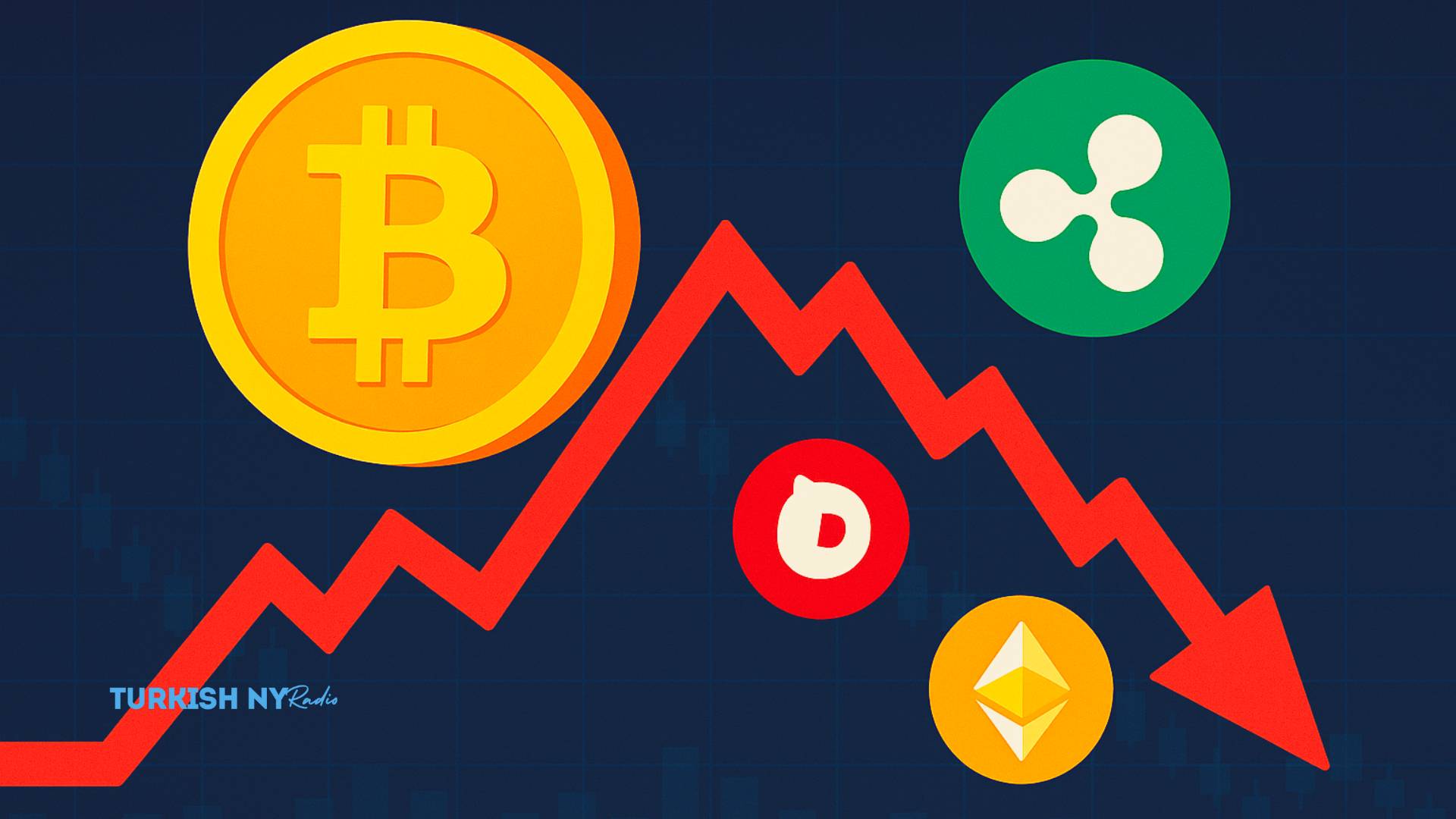
In 2026, the altcoin landscape is barely recognizable compared to those early days. Bitcoin dominance currently sits at approximately 58%, which means altcoins collectively account for the remaining share of a market that, at its 2025 peak, briefly touched $3.8 trillion. The total altcoin market cap excluding Bitcoin hovers near $1.06 trillion as of mid-2026, a figure that represents both the sector’s scale and its ongoing consolidation following the sharp 20.4% market-wide decline recorded in Q1 2026.
How Altcoins Differ From Bitcoin
Bitcoin was architected with deliberate conservatism. Its primary function is to serve as a decentralized, censorship-resistant store of value and medium of exchange, operating on a proof-of-work consensus model that has remained structurally unchanged since its inception. That conservatism is a feature, not a limitation, at least for what Bitcoin was designed to do. However, it also means Bitcoin does not natively support smart contracts, complex applications, or rapid transaction throughput at scale.
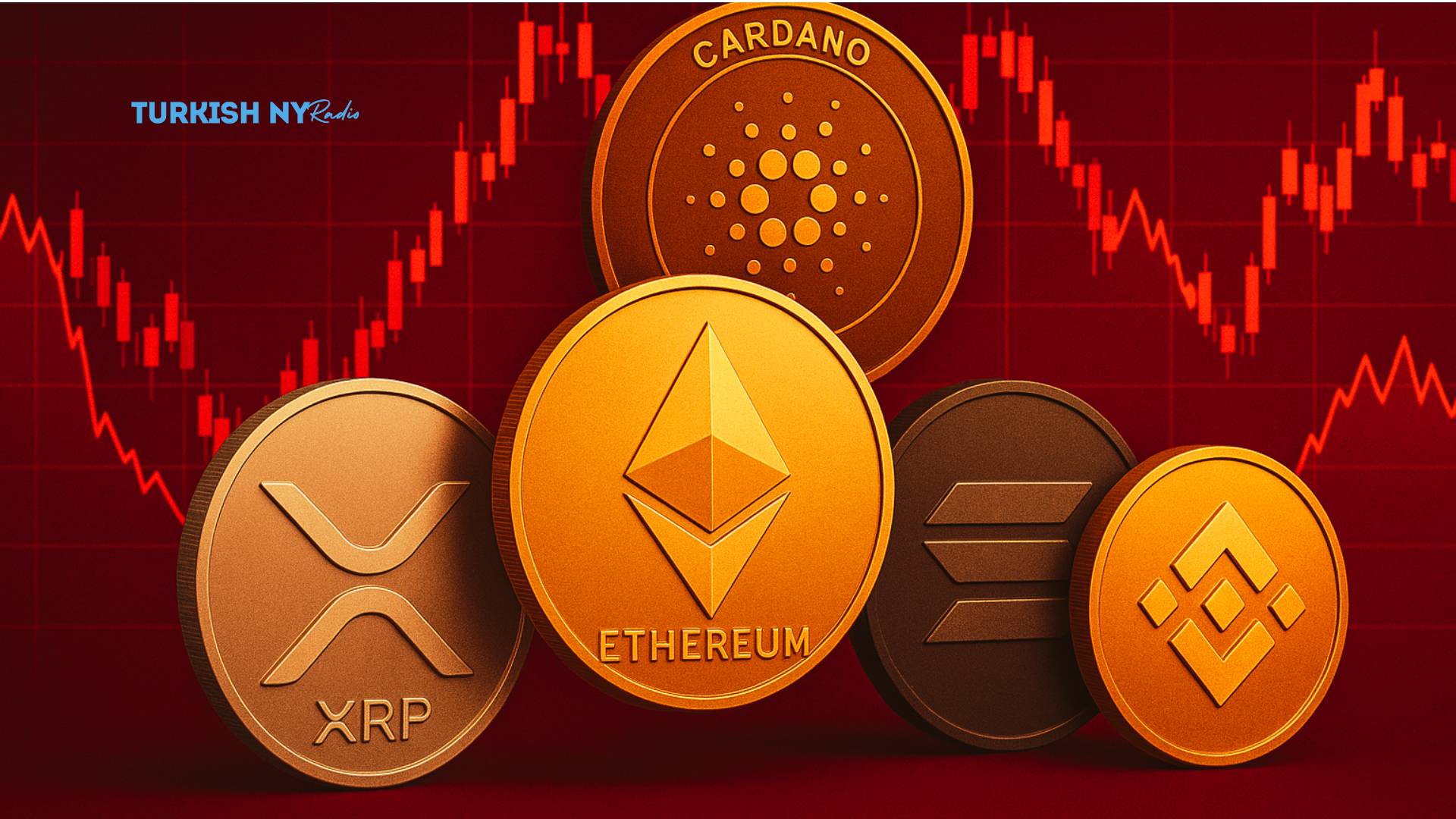
Altcoins were largely born from that design gap. Ethereum introduced programmable smart contracts when it launched in July 2015, enabling code to run automatically on a blockchain without any third-party enforcement. That single innovation seeded an entire economy of decentralized applications, lending protocols, non-fungible tokens, and governance systems that Bitcoin was never built to host.
Ethereum itself completed its transition from proof-of-work to proof-of-stake in September 2022 through an upgrade known as The Merge, reducing its energy consumption by approximately 99.95% according to the official Ethereum documentation.
Ripple (XRP) took a different direction entirely, targeting cross-border banking settlements rather than open financial applications. Monero and Zcash prioritized transactional privacy through cryptographic obfuscation techniques. Solana optimized for throughput, capable of processing thousands of transactions per second at fractions of a cent per transaction. Each of these represents a distinct hypothesis about what a blockchain should do and who it should serve.
The Major Categories of Altcoins Shaping the 2026 Market
The altcoin universe in 2026 has matured into several well-defined sectors, each attracting its own pool of capital, developer talent, and regulatory scrutiny.
Smart Contract Platforms remain the most economically significant category. Ethereum continues to anchor this group as the largest altcoin by market capitalization, serving as the primary base layer for decentralized applications globally.
Solana, Avalanche, and Polkadot compete vigorously for developer attention, particularly in gaming, real-world asset infrastructure, and AI-adjacent applications. According to a June 2026 ranking from the Bitcoin Foundation, Ethereum holds its position as the dominant smart contract platform despite intensifying competition from newer Layer-1 chains.
Stablecoins have emerged as arguably the most systemically important altcoin category by late 2025 and into 2026. The stablecoin market cap reached an all-time high of $310 billion in December 2025, according to data aggregated from CoinGecko and MEXC. USDT and USDC dominate this space, serving as the settlement layer for the majority of on-chain activity and as the primary vehicle through which institutional and retail participants move capital across the ecosystem without converting back to fiat currencies.
Real-World Asset (RWA) Tokens represent the most significant structural development in the altcoin space in recent years. Protocols like Ondo Finance are tokenizing short-duration U.S. government securities and making them accessible on-chain.
Private credit origination platforms are connecting traditional lending markets to on-chain capital pools. According to CoinGecko’s crypto narratives tracker, RWA-sector tokens posted an average return of 185.8% across 2025, performance driven by genuine user adoption rather than speculative momentum alone.
DeFi Tokens power decentralized finance protocols where users can lend, borrow, trade, and earn yield without traditional intermediaries. In 2026, the DeFi sector has gained fresh momentum as regulatory clarity improves in the United States. With SEC Chair Atkins signaling a potential DeFi “innovation exemption,” major protocols like Aave, Uniswap, and Compound have attracted renewed institutional interest, according to CoinDCX’s June 2026 market analysis.
Meme Coins occupy a category that defies conventional valuation frameworks, yet consistently proves its market relevance. Dogecoin, which started as a joke in 2013, reached a peak market capitalization of $88.8 billion on May 8, 2021, according to GlobalData. In 2026, meme coins remain culturally potent, particularly among younger retail participants, and continue to serve as high-volatility entry points during bull market phases even as their fundamentals remain negligible. The DeFi category tracked by DemandSage shows 5,310 meme-related tokens with a combined market cap of $72.7 billion in 2026.
Exchange Tokens are native assets issued by cryptocurrency exchanges, such as BNB from Binance, used for fee discounts, governance participation, and ecosystem access. DemandSage data for 2026 shows exchange tokens holding a combined market cap of approximately $165.1 billion across 128 platforms.
The 2026 Regulatory Landscape and Its Impact on Altcoins
Arguably no single factor has shaped the altcoin market more profoundly in the current cycle than the shifting regulatory environment, particularly in the United States. The bipartisan passage of the GENIUS Act in July 2025 established the foundational framework for stablecoin regulation, setting the stage for broader digital asset market structure legislation.
The Digital Asset Market CLARITY Act is currently advancing toward a Senate floor debate, with key provisions addressing DeFi and the tokenization of real-world assets, according to an April 2026 analysis by CBIZ.
The SEC and CFTC issued a joint statement in September 2025 announcing a cross-agency initiative to promote regulatory clarity for blockchain-based innovation.
According to Elliptic’s 2026 regulatory outlook, both agencies are expected to continue issuing policy guidance rather than enforcement-first approaches, with the broader U.S. regulatory environment trending toward fewer barriers for crypto innovation. This posture has had measurable downstream effects on institutional participation, with U.S. crypto ETFs pulling in $34 billion during 2025, and Q1 2026 alone adding $18.7 billion in crypto ETP inflows.
The European Union’s MiCA framework continues rolling out in parallel, providing compliance infrastructure for EU-domiciled altcoin projects and pushing global regulatory alignment forward, albeit unevenly across jurisdictions.
Key Indicators Investors Use to Evaluate Altcoins in 2026
Evaluating altcoins requires metrics that go considerably deeper than price charts. Several on-chain and market-based indicators give analysts genuinely useful signal in the current environment.
Market Capitalization remains the most widely cited metric. As of June 2026, the total crypto market cap sits at approximately $2.2 trillion, with over 17,000 cryptocurrencies tracked across nearly 1,500 exchanges according to CoinGecko’s live global charts. A coin with a $500 million market cap carries fundamentally different risk and liquidity characteristics than one at $50 billion.
Bitcoin Dominance functions as a macro indicator for the entire altcoin market. When Bitcoin dominance rises, as it did through much of the 2025-to-2026 cycle, capital is rotating into Bitcoin and away from altcoins. Bitcoin dominance closed above 60% in May 2026 according to BeInCrypto data, historically a level that has preceded significant altcoin rotation within two to six months.
Trading Volume reveals how actively a coin trades relative to its market cap. Thin volume on a high-market-cap coin often signals manipulation risk or insufficient liquidity for institutional participation.
Total Value Locked (TVL) applies specifically to DeFi protocols and measures the aggregate value of assets deposited within a given platform. Higher TVL generally correlates with user trust, protocol utilization, and fee revenue generation, all of which underpin token value more durably than speculative inflows.
Token Utility and Tokenomics deserve serious examination before any capital commitment. Tokens that serve a genuine function within their network, whether paying transaction fees, governing protocol parameters, or serving as collateral, have structural demand that purely speculative assets lack. Tokenomics, covering total supply, inflation schedule, vesting periods for insiders, and allocation transparency, is equally critical. Projects where early investors or founders control large portions of the supply with short lock-up periods carry significantly higher sell-pressure risk.
Developer Activity tracked through public code repositories is one of the most underused indicators among retail investors. Consistent commits, active GitHub repositories, and growing contributor counts indicate living projects with real teams iterating on genuine problems. Dormant repositories frequently precede token collapse.
Altcoin Season Index has become a widely tracked sentiment tool in 2026. The index measures how many of the top 50 cryptocurrencies are outperforming Bitcoin over a trailing 90-day window. A reading above 75 signals altcoin season; below 25 signals Bitcoin season. As of June 2026, the index sits in the 30-to-35 range according to Bitcoin Foundation data, indicating that the market has not yet rotated broadly into altcoins despite structural setups that some analysts compare to pre-rally conditions seen in 2016 and 2020.
Risks That Remain Real in 2026
No honest account of altcoins in 2026 ignores the persistent risks that have defined the sector since its beginning. Crypto hackers stole $3.4 billion worth of digital assets in 2025 alone, a 55% increase from the prior year, according to Cointelegraph data cited in cryptocurrency market statistics. The total crypto market cap declined 20.4% in Q1 2026, falling to $2.4 trillion, representing the second consecutive quarter of decline from the October 2025 peak.
Regulatory risk, while directionally improving, remains unresolved in critical areas. The classification of specific altcoin tokens as securities under U.S. law continues to be litigated and negotiated, and projects whose tokens are ultimately deemed securities face significant restructuring obligations. DeFi platforms operating autonomous protocols face particularly complex compliance questions that neither the SEC nor CFTC has formally addressed as of mid-2026.
Liquidity risk in smaller altcoins remains severe. A token with $2 million in daily trading volume can swing 25-40% on a single large order, a dynamic that retail investors frequently discover at their own expense. The concentration of exchange volume on a handful of platforms, with Binance contributing $7.3 trillion in volume according to CoinDesk reporting, also means that platform-level regulatory actions carry outsized market impact.
Conclusion
Altcoins in 2026 are no longer a speculative footnote attached to Bitcoin’s narrative. They constitute a $1 trillion-plus asset class encompassing programmable financial infrastructure, tokenized real-world assets, decentralized protocols with genuine user activity, and yes, still a healthy share of community-driven speculation that defies conventional analysis.
The sector has survived multiple market cycles, regulatory confrontations, and technical failures to arrive at a moment of genuine institutional integration and improving legal clarity. Some altcoin projects will fail, as they always have.
But the ones building real utility on credible technology, with transparent tokenomics and active development, are increasingly operating within a market structure capable of sustaining long-term growth. Understanding what altcoins are, and how to evaluate them critically, is the entry point to navigating that market with any degree of informed confidence.
Frequently Asked Questions
What is the difference between a coin and a token?
A coin operates on its own native blockchain, while a token is built on top of an existing blockchain like Ethereum using a standard such as ERC-20. Ether (ETH) is a coin; a governance instrument or DeFi asset built on Ethereum’s network is a token. The distinction affects how each is stored, transferred, taxed, and governed.
How many altcoins exist in 2026?
As of mid-2026, CoinGecko tracks over 16,400 cryptocurrencies across approximately 1,489 exchanges, while other aggregators report figures closer to 17,000 to 18,000 depending on inclusion methodology. The vast majority have minimal trading volume and no active development.
What is Bitcoin dominance and why does it matter for altcoins?
Bitcoin dominance measures Bitcoin’s share of the total cryptocurrency market capitalization. When it rises, capital is generally moving into Bitcoin from altcoins. As of June 2026, Bitcoin dominance sits at approximately 58%, meaning altcoins collectively represent the remaining 42% of the global crypto market.
What is the Altcoin Season Index?
The Altcoin Season Index measures what percentage of the top 50 cryptocurrencies have outperformed Bitcoin over a trailing 90-day window. A reading above 75 indicates altcoin season, while a reading below 25 indicates Bitcoin season.
Glossary of Key Terms
Altcoin Any cryptocurrency other than Bitcoin, encompassing thousands of projects with distinct technologies, use cases, and economic structures.
Blockchain A distributed, cryptographically secured ledger that records transactions across a decentralized network of computers without requiring a central authority to validate them.
Smart Contract Self-executing code stored and replicated on a blockchain that enforces the terms of an agreement automatically when predefined conditions are satisfied, without requiring third-party oversight.
DeFi (Decentralized Finance) A category of financial applications built on blockchain networks that replicate or replace traditional financial services, including lending, borrowing, trading, and yield generation, without relying on banks, brokers, or other centralized institutions.
Real-World Asset (RWA) Tokenization The process of representing ownership of physical or traditional financial assets, such as government bonds, real estate, or private credit instruments, as digital tokens on a blockchain, enabling them to be traded and settled on-chain.
Tokenomics The economic architecture governing a cryptocurrency, including total supply, distribution model, vesting schedules for insiders, inflation or deflation mechanisms, and how new tokens enter or are removed from circulation.
Market Capitalization The total market value of a cryptocurrency, calculated by multiplying the current token price by the total circulating supply.
Total Value Locked (TVL) The aggregate value of assets deposited into a decentralized finance protocol, used as a standardized measure of adoption, utilization, and economic significance within DeFi platforms.
Bitcoin Dominance The percentage of Bitcoin’s market capitalization relative to the total market capitalization of all cryptocurrencies combined, used as a macro indicator of capital flow direction across the crypto market.
Altcoin Season Index A sentiment and performance indicator measuring what proportion of the top 50 cryptocurrencies have outperformed Bitcoin over a trailing 90-day period, commonly used to identify shifts in market leadership between Bitcoin and the broader altcoin market.
bittime
arongroup
bitpanda
Disclaimer: This article is intended solely for informational and educational purposes and does not constitute financial, investment, legal, or tax advice.