Tokenomics covers supply, distribution, utility, incentives, and governance, helping investors assess long-term value and supply pressure. Supply structures include circulating, total, and ma
- Tokenomics covers supply, distribution, utility, incentives, and governance, helping investors assess long-term value and supply pressure.
- Supply structures include circulating, total, and max supply, with unlock schedules and vesting impacting market dynamics.
- Utility and governance models define token use cases such as fees, staking rewards, burns, and DAO-based decision-making.
Tokenomics defines how crypto tokens are designed, distributed, and used inside blockchain ecosystems. According to Arkham, it covers supply, distribution, utility, incentives, and governance. Traders analyze tokenomics to assess unlock schedules, supply pressure, and long-term value structures across different digital assets.
Supply, Distribution, And Unlock Structures
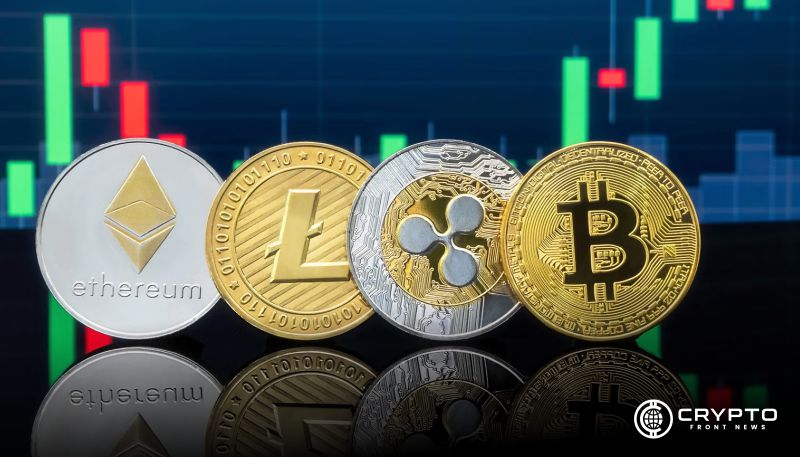
Token supply is commonly divided into circulating supply, total supply, and max supply. Circulating supply includes tradable tokens, while total supply includes locked allocations. Max supply defines the upper limit of creation, such as Bitcoin’s 21 million cap. Ethereum differs, as it has no fixed maximum supply.
Distribution includes mining rewards, staking rewards, ICOs, airdrops, and team allocations. Notably, mining rewards distribute tokens through validation work, as seen in Bitcoin. ICOs raise capital through early token sales. Airdrops distribute tokens for free to users based on eligibility rules or usage activity.
Investor and team allocations often include vesting schedules. These locked tokens can later unlock into circulation. Therefore, traders monitor unlock timelines due to potential sell pressure impacts on markets.
Utility, Staking Systems, And Token Use Cases
Token utility defines how tokens function inside ecosystems. Tokens may pay transaction fees, access services, or support governance participation. Ethereum uses ETH for gas fees across smart contracts and blockchain operations.
Staking allows users to lock tokens to support network security. In return, participants receive rewards in native tokens. Liquid staking adds flexibility by issuing tradeable receipt tokens while assets remain staked.

Restaking expands this structure by allowing staked assets to secure multiple protocols simultaneously. EigenLayer introduced this model on Ethereum. Consequently, users can earn additional rewards while extending network security layers.
Demand Drivers, Incentives, And Governance Models
Demand comes from buyers willing to hold tokens at different price levels. Incentives influence demand through burn mechanisms, buybacks, and liquidity mining programs. Some protocols remove tokens from circulation through burns or revenue-based buybacks.
Governance structures determine decision-making across crypto networks. Centralized models rely on core teams, while decentralized models use DAO voting systems. Uniswap governance, for example, allows UNI holders to vote on protocol decisions.
Bitcoin governance operates through developer coordination and community consensus. Ethereum uses formal proposals called EIPs for protocol changes. Therefore, governance structures directly shape long-term protocol direction and token behavior.
The post What Tokenomics Means In Crypto Markets Today appears on Crypto Front News. Visit our website to read more interesting articles about cryptocurrency, blockchain technology, and digital assets.