Why a Growing Number of Crypto Miners Are Diversifying Into Privacy Coins Like Zcash
Privacy-focused cryptocurrencies like Zcash typically have smaller, less saturated mining networks than bitcoin, potentially offering a more favorable competitive position for a newly enterin
A
AnonymousCryptoCompass newsroom
November 16, 2026
3 min read
NEWS
CryptoCompass editorial visual for bitcoin coverage.
Privacy-focused cryptocurrencies like Zcash typically have smaller, less saturated mining networks than bitcoin, potentially offering a more favorable competitive position for a newly entering mining company
Holding a meaningful percentage of a smaller token’s total supply, as Cypherpunk Technologies has with roughly 2% of Zcash’s circulating supply, is far more achievable than attempting the same feat with bitcoin’s much larger, more widely distributed supply
Privacy coins carry their own distinct regulatory considerations compared with more widely held cryptocurrencies, a factor any company pivoting into this category needs to weigh alongside the potential mining-economics advantages
Cypherpunk Technologies’ transformation from a biotechnology company into a Zcash mining and treasury operation, building a position worth roughly 2% of the privacy-focused token’s total circulating supply, reflects a strategic calculation that extends well beyond simply chasing whichever cryptocurrency happens to be generating the most headlines. Understanding why a mining company might specifically choose a privacy coin like Zcash over bitcoin requires looking at the different competitive and economic dynamics each network presents.
Bitcoin’s mining network is enormous, mature and intensely competitive, with specialized hardware manufacturers, massive established mining operations and years of accumulated infrastructure investment all competing for a share of a fixed, slowly growing block reward. A newly entering mining company attempting to build a meaningful position in bitcoin’s ecosystem faces a landscape where achieving even a small percentage of total network hashrate, let alone total supply ownership, requires an enormous capital commitment relative to the incremental gain achieved.
Smaller, less heavily mined networks like Zcash present a meaningfully different opportunity. With a smaller base of existing miners competing for block rewards, a new entrant can often achieve a much larger relative foothold, both in terms of network hashrate share and in terms of accumulated token supply, for a given level of capital investment. Cypherpunk Technologies’ reported goal of eventually controlling around 25% of Zcash’s total network hashrate, while an ambitious target, is simply a category of achievement that would be essentially unreachable for any single company attempting the same percentage on bitcoin’s network today.
That said, privacy-focused cryptocurrencies carry their own distinct set of considerations that bitcoin and more mainstream tokens generally don’t face to the same degree. Regulatory scrutiny of privacy coins has historically run higher than for more transparent blockchains, given concerns among some regulators and exchanges about the use of enhanced privacy features for illicit purposes, a dynamic that has led some trading venues to delist or restrict privacy coins entirely in certain jurisdictions over the years.
Weighing a potentially more favorable competitive and supply-concentration opportunity against these added regulatory considerations is exactly the kind of strategic tradeoff a company like Cypherpunk Technologies has to navigate in choosing to build its treasury and mining operations around Zcash specifically, rather than following the more conventional, heavily trodden path of mining or accumulating bitcoin alongside the large number of other companies already doing so. The underlying earnings exhibit is available on SEC EDGAR.
How long an AI chip keeps its value has become one of the bigger open questions for investors in data center companies. HIVE Digital Technologies (Nasdaq: HIVE) President and CEO Aydin Kilic
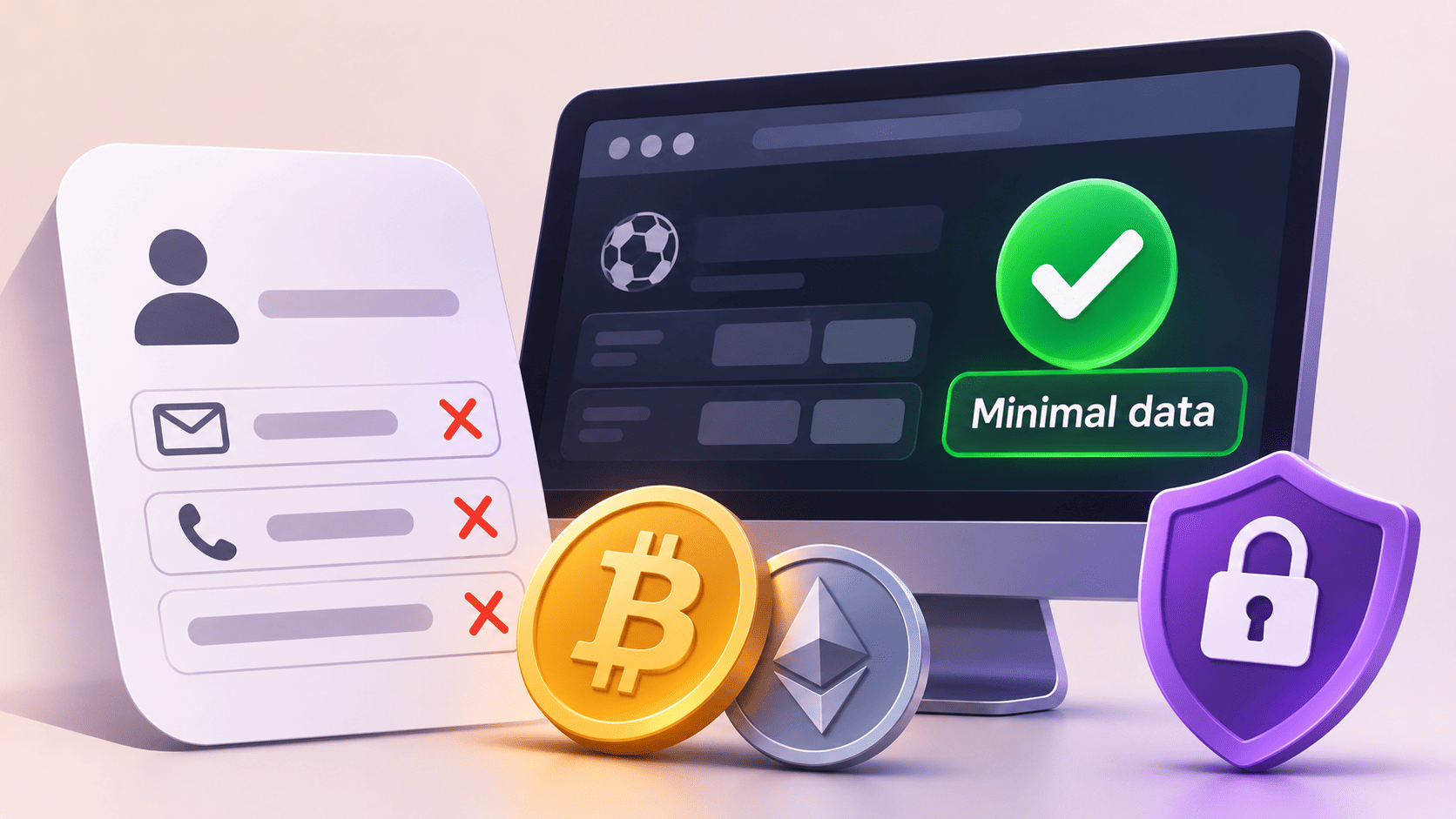
Signup forms say a lot about a sportsbook. Some ask for a name, date of birth, address and phone number before the first deposit, while others start with an email address or a wallet connecti
JPMorgan Chase, Bank of America and Wells Fargo were caught up in a wave of banking complaints Monday, with customers reporting trouble completing everyday transactions. The frustration wasn’