World Liberty Launches Staking Pool With Massive USD1 Rewards
@worldlibertyfi has officially launched its on-chain governance staking program, anchored by a $1.25 million rewards pool denominated in its $USD1 stablecoin. The move marks the first concret
A
AnonymousCryptoCompass newsroom
October 1, 2026
2 min read
NEWS
CryptoCompass editorial visual for defi coverage.
@worldlibertyfi has officially launched its on-chain governance staking program, anchored by a $1.25 million rewards pool denominated in its $USD1 stablecoin. The move marks the first concrete step in the project's broader push to align voting power with long-term token commitment.
How the Staking Program Works
The first reward deposit is scheduled for October 2 between 8:00 and 9:00 AM ET, triggering a 180-day linear yield distribution. To qualify, participants must stake their unlocked $WLFI tokens in smart contract vaults for a minimum of 180 days. Stakers must also cast direct governance votes at least once every 90 days to remain eligible for rewards.
The 180-day lock removes staked tokens from active circulation for half a year, which can reduce the supply available to trade. The program also introduces a tiered structure for larger holders. "Nodes," defined as participants staking at least 10 million WLFI, gain access to over-the-counter USD1 conversion via licensed market makers at 1:1 parity.At the top tier, "Super Nodes" staking 50 million WLFI receive guaranteed access to the WLFI team for partnership discussions and potential economic incentives, subject to compliance and commercial review.
From Governance Vote to Live Product
The staking program traces back to a governance proposal published on September 14, which laid out what the project called a "Governance Engagement Incentive Program." The proposal drew strong community support and was approved by late September.
The motivation behind the program is partly financial: during USD1's recent expansion phase, market makers captured millions in arbitrage profits at roughly 15 basis points per minting and selling cycle. This proposal redirects that value from a small number of intermediaries to long-term ecosystem participants, while simultaneously creating structural demand for competing stablecoins.
According to the project, the design "ensures that voting power is held by participants with long-term alignment to the protocol who elect to participate in the governance consensus mechanism, not short-term holders or speculators."
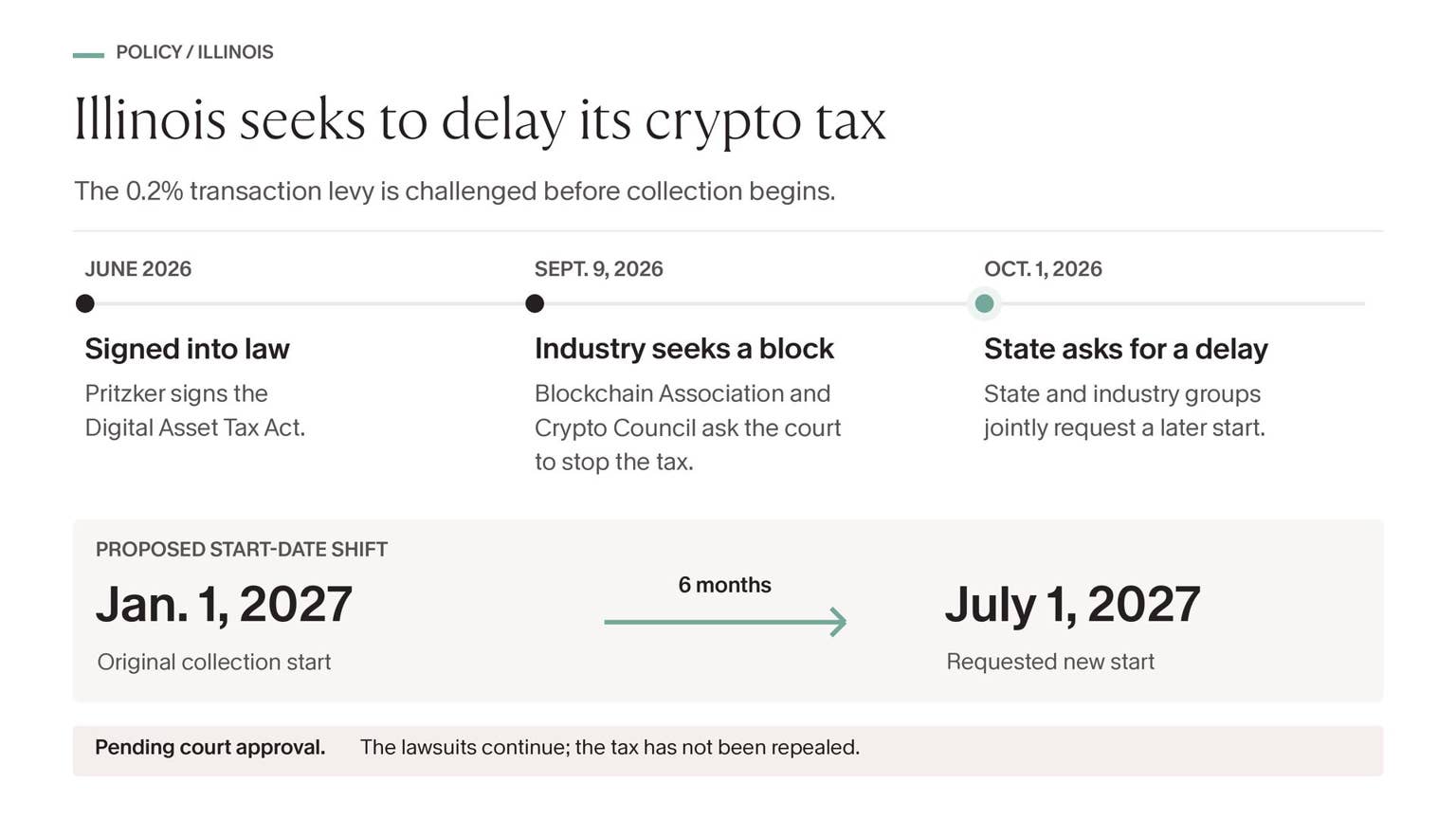
In June, Illinois created a tax no state had tried before. Every time someone buys crypto, sells it, or even moves their own coins from one wallet to another, the state takes 0.2%. It doesn't
Glassnode, the on-chain analytics firm, has characterized Bitcoin's current rally as both early-stage and speculative, a framing that distinguishes present market conditions from the kind of
The ethereum price is sitting at a turning point that most traders have not fully priced in yet. On September 27, Vitalik Buterin called Hegotá the last "normal" fork Ethereum will ever run,