A team funded by the Optimism ecosystem cast the decisive vote in a governance process that moved OP tokens away from a planned user allocation. Optimism's governance system has come under sc
A team funded by the Optimism ecosystem cast the decisive vote in a governance process that moved OP tokens away from a planned user allocation.
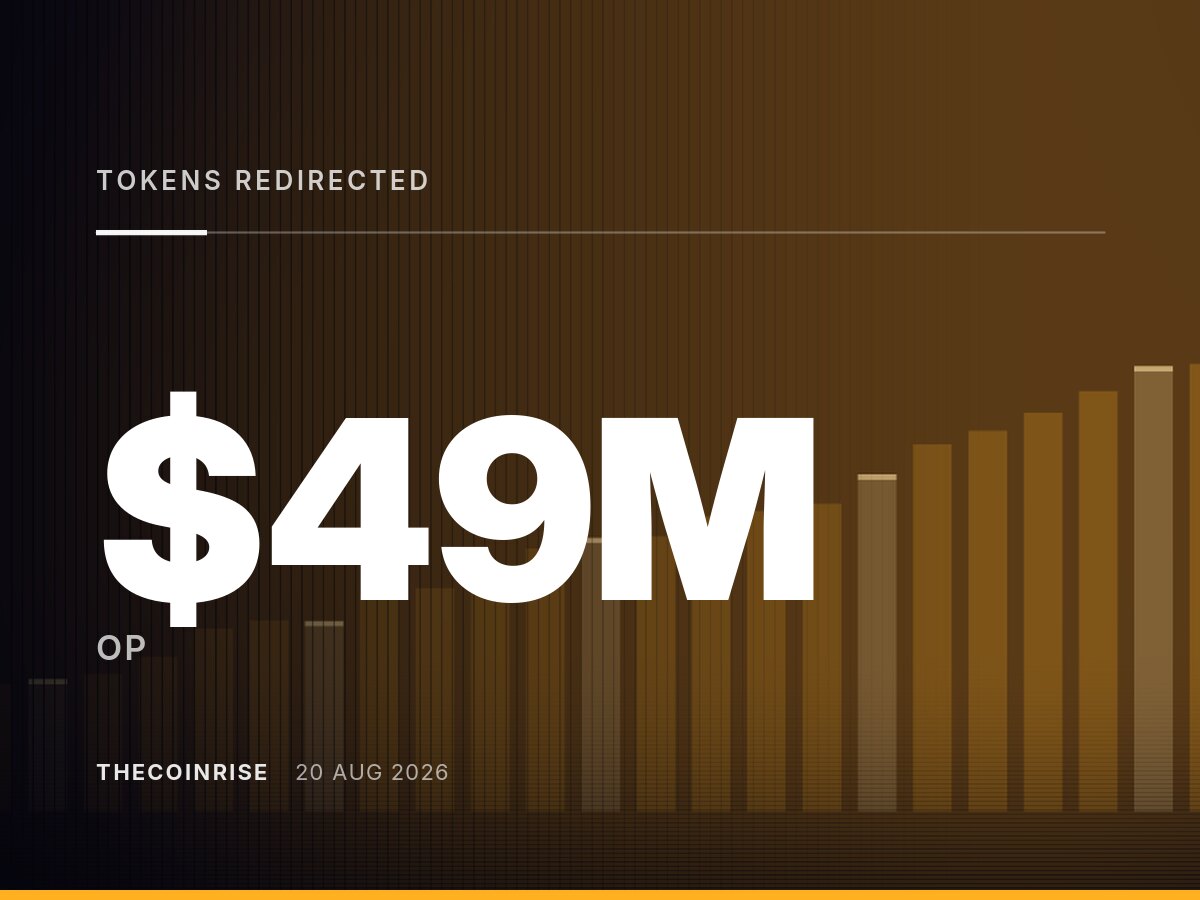
Optimism's governance system has come under scrutiny after a vote shifted about $49 million in OP tokens away from an allocation meant for users. The deciding vote in that process was cast by a team that receives funding from the Optimism ecosystem itself, according to reporting from CoinDesk and CryptoBriefing.
Optimism operates as a layer-2 scaling network built on Ethereum. Its governance runs through what the project calls the Optimism Collective. That structure splits decision-making between a Token House, where OP holders and delegates vote on protocol and treasury matters, and a Citizens' House, which oversees retroactive public goods funding. Grants councils and working groups, many of them funded by the Optimism Foundation or related treasury allocations, carry out day-to-day governance tasks and often hold votes on how tokens get distributed.
The specifics of the underlying proposal were not detailed in available reporting. What is clear is that the outcome hinged on a single deciding vote. That vote came from a team whose own funding originates from Optimism's ecosystem, rather than from an independent or purely user-elected body. The result was a reallocation of tokens away from users and toward another purpose within the network.
Governance arrangements like this are common across decentralized networks, where teams are compensated to run infrastructure, grants programs, or delegate operations. Critics of such systems argue that funded teams can face conflicts of interest when their votes touch on allocations that affect their own compensation or influence. Supporters counter that specialized teams bring expertise that broader token-holder votes often lack.
OP token holders have periodically raised concerns about concentration of voting power within Optimism's governance apparatus. Retroactive public goods funding, badgeholder selection, and treasury allocation processes have each drawn debate in the past over transparency and representation. A deciding vote that moves tens of millions of dollars in tokens away from a user-facing allocation is likely to intensify that scrutiny.
The $49 million figure represents a material share of OP's circulating value, given the token's role in funding grants, incentivizing developers, and rewarding network participants. Any shift in how those tokens are distributed can affect incentive structures across the Optimism Superchain, the broader family of layer-2 chains built using Optimism's technology stack.
Neither CoinDesk nor CryptoBriefing detailed the exact governance proposal number, the destination of the redirected tokens, or the identity of the funded team beyond describing it as Optimism-funded. Readers should expect further detail as the story develops and additional outlets confirm or expand on the reporting.
Market Impact
A governance dispute of this size could weigh on sentiment around the OP token, particularly among holders who view user allocations as a core part of the network's value proposition. Perceived conflicts of interest in governance can also affect how delegates and large holders participate in future votes, potentially prompting calls for structural reform.
Beyond OP specifically, the episode adds to a broader conversation about governance design across layer-2 networks and other token-based ecosystems. Projects that rely on funded teams to execute grants or treasury decisions may face pressure to separate funding relationships from voting power, especially when large token allocations are at stake.
The redirection of $49 million in OP tokens through a funded team's deciding vote highlights ongoing tension between efficiency and independence in decentralized governance. How Optimism's community responds may shape confidence in its broader governance model going forward.
Frequently Asked Questions
What happened with Optimism's governance vote?
A vote within Optimism's governance process shifted about $49 million in OP tokens away from a planned user allocation, with the deciding vote cast by a team funded by the Optimism ecosystem.
Why is a funded team casting the deciding vote significant?
The team involved receives funding from the same ecosystem whose token allocation was being decided, raising concerns about potential conflicts of interest in the outcome.
How does Optimism's governance structure work?
Optimism uses a Collective model split between a Token House, where OP holders and delegates vote on protocol matters, and a Citizens' House focused on public goods funding, with various funded councils handling specific tasks.
Could this affect the price of OP tokens?
The article does not report any confirmed price impact. Governance disputes can influence market sentiment, but no price predictions are made here.
Originally reported by AltcoinGordon, written by Sophia Bennett. Republished with permission.
View the original on AltcoinGordon →
The post $49 Million in OP Tokens Redirected From Users by Deciding Vote of Funded Team appeared first on TheCoinrise.com.