Bitcoin slipped as Middle East tensions escalated, with the sell-off in crypto coinciding with a sharp jump in oil prices after fresh military strikes in the region rattled risk assets. Why B
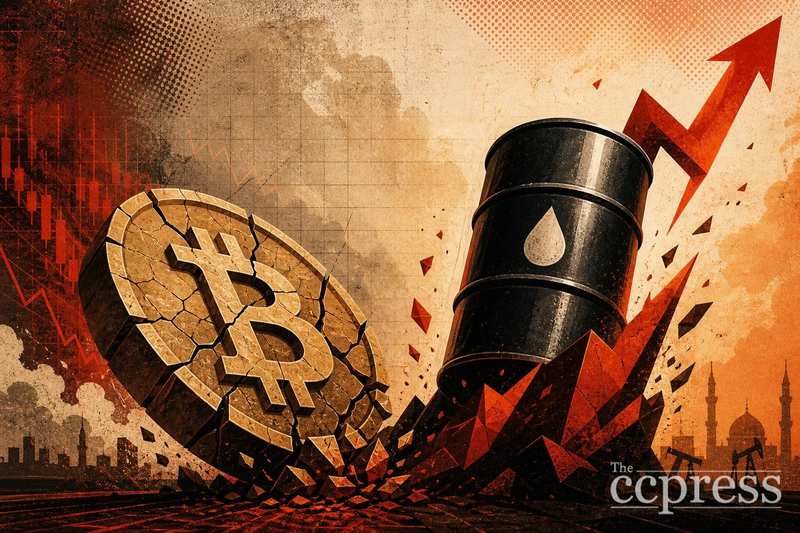
Bitcoin slipped as Middle East tensions escalated, with the sell-off in crypto coinciding with a sharp jump in oil prices after fresh military strikes in the region rattled risk assets.
Why Bitcoin Pulled Back as Middle East Tensions Intensified
Bitcoin moved lower as renewed hostilities in the Middle East pushed traders toward a defensive stance, with resurgent U.S.-Iran hostilities sending Bitcoin lower even as ETF flows pointed to underlying demand. For related coverage, see Ethereum Surpasses 200 Million Non-Empty Wallets for the First Time.
Geopolitical shocks tend to pressure risk assets because they raise uncertainty and push investors toward safer holdings. Bitcoin, despite its “digital gold” framing, traded in line with broader risk sentiment during the escalation. For related coverage, see Emirates Launches Crypto.com Pay for UAE Flight Bookings.
The pullback followed a stronger stretch for the market, with profit-taking and Mideast hostilities dragging crypto lower after a bullish week. That combination left BTC exposed to a fast reversal in sentiment once the headlines hit. For related coverage, see Morgan Stanley Launches Ethereum and Solana ETFs on NYSE Arca.
Oil’s 5% Surge Added to the Risk-Off Pressure on BTC
The clearest transmission channel from the conflict to markets was energy. Crude jumped 5% as tensions intensified, a move that signaled broader market stress rather than any crypto-specific catalyst.
The rally built on an earlier spike, with oil rising more than 3% after U.S. and Iran launched strikes in the Mideast. A sustained energy spike revives inflation concerns, which typically weigh on speculative assets like Bitcoin.
For traders, the oil move reinforced a macro read: this was a geopolitical shock hitting all risk markets at once, not a story confined to Bitcoin’s own network fundamentals. That framing helps explain why BTC weakened alongside other risk-sensitive assets.
What Bitcoin Traders Will Watch After the Headline Shock
The near-term question is whether oil stays elevated or retraces. A cooling energy market would ease the inflation and risk-off pressure that dragged on Bitcoin during the escalation.
The second watchpoint is whether Bitcoin stabilizes after the initial dip or extends losses. Reporting noted that ETF flows still showed demand even as prices fell, a tension that could shape how quickly BTC finds a floor.
Exchange behavior is also worth monitoring, as periods of stress can shift how much Bitcoin sits on trading venues, echoing recent scrutiny of Bitcoin flows across exchanges. For now, macro headlines remain the dominant driver, and further escalation or de-escalation in the Middle East is likely to keep steering BTC in the short term.
Disclaimer: This article is for informational purposes only and does not constitute financial or investment advice. Cryptocurrency and digital asset markets carry significant risk. Always do your own research before making decisions.
The article Bitcoin Slips as Middle East Tensions Escalate and Oil Jumps 5% first featured on theccpress.com.