Despite the many records, marks, dealers and testing systems available, counterfeit precious metals continue to be a threat. While blockchain of course can reinforce those records, it cannot
Despite the many records, marks, dealers and testing systems available, counterfeit precious metals continue to be a threat. While blockchain of course can reinforce those records, it cannot examine gold, silver, platinum, gems or any other physical good. So, its importance is evident in the context of access to secure digital documents, solid physical controls, and trusted verification methods.
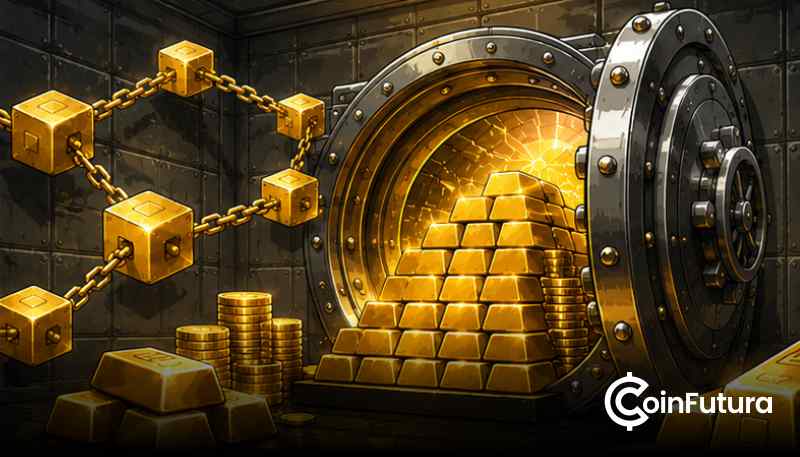
Blockchain generates a transaction book, transfer book, certificate book, and precious metal movement book that are shared across the entire supply chain to record transactions, transfers, certificates and movements of precious metals. History of all transactions and records are easily visible by both refiners and retailers/customers, it is difficult to alter records later on. Also, for every handoff, documentation can be provided to ensure transparency and to avoid misunderstandings on who is involved, owns it, sourced it, ensured its quality and how it is transported.
A blockchain system can offer unique digital identities to the metals, jewels, certificates and materials at every stage of the production process. The user roles can be managed using smart contracts; the records can be protected by cryptographic hash functions, which can also be associated with a product or material. As a result, businesses are able to create an audit trail from the mining and refining of raw materials to manufacturing, retailing, storage, resale and customer verification.
The Oracle Problem Limits Blockchain
A physical gold bar, coin, jewel or gemstone can't prove its blockchain identity without the help of blockchain itself. People, scanners, sensors, tags, and certificates are the key elements of the system that would provide information about the physical item. As a result, when dishonest actors or flawed systems add false information prior to blockchain verification, it can become “permanent”.
A counterfeiter can transfer a QR code, RFID tag or serial number from a legitimate product to a counterfeit product. The blockchain may still be able to verify the digital record, as the blockchain is not able to determine which physical object has that identifier. If it remains unchanged, an original digital content can be linked with a stolen or fake product on an unaltered blockchain.
Physical Authentication Remains Essential
Precious metals can be substituted, plated with other metals, diluted, falsely marked or have hidden composition and physical authentication is required. Technologies such as microscopic tags, laser markings, chemical signatures, secure packaging and material fingerprints can be used to reinforce the physical identity. These features are difficult to copy and remove and form a connection between the physical asset and digital asset.
Secure scanners and testing will be able to match physical features with the digital identity held within the traceability system. This process does not rely on conventional labels, which can be duplicated with barcodes, holograms and serial numbers, or removable tags. Thus, blockchain is best suited to use once physical verification has been completed to ensure that the metal or jewel that is recorded is identical to the metal or jewel that is presented.

Hybrid Systems Offer Stronger Protection
A practical anti counterfeit model integrates physical tokens, trusted verification tools, regulated data input, blockchain records, and clear participants' responsibilities. The weaknesses are each resolved by a layer, and once passed through physical testing, each layer serves as a protection against the recorded history of the asset being lost to the blockchain. Moreover, role-based access might restrict the number of people who can register materials, update processing information, receive or issue certificates, or record transfers throughout the supply chain.
The jewelry traceability is a good example of how the following systems are used in the development of jewelry: Ethereum, smart contracts, QR identification, digital signature, and IPFS. If necessary, relevant data (most important) and hashes can be stored on chain, with cert templates and related files stored off chain for efficiency. This blend of architecture can enhance scalability, decrease storage expenses, and also guarantee that appropriate records are accessible without having to put all documents on the blockchain.
Adoption Depends on Costs and Governance
Technical design is not the end of it and without cooperation between the miners, refiners, manufactures, vaults, retailers, regulators and customers, no strong technical design can prevail. SMEs might have to invest in integration, staff training, lack of digital competency or adjust sourcing processes. At the same time, international supply chains can pose legal, privacy, regulatory and governance issues, making blockchain adoption more complex across jurisdictions.
The rate of blockchain adoption should be in line with the product value, the risk of counterfeit products, the complexity of the supply chain, and the anticipated benefits of transparency. High-value, precious metals can support more robust verification systems as there are potentially high costs to fraud losses, reputational harm, and loss of consumer trust. But, the use of blockchain is not yet a sufficient safeguard without secure procedures, reliable hardware, accountable participants and rules.
A blockchain can't solve the problem of counterfeit precious metals on its own, since it doesn't safeguard the truth, it guards digital records. However, the layer of traceability can be a very useful thing if physical authentication and secure verification systems back and verify every record. The most effective strategy is to use reliable physical evidence, secure and unalterable electronic documentation, good governance, and diligent supply chain execution.
The post Can Blockchain End Counterfeit Precious Metals? appears on Coin Futura. Visit our website to read more interesting articles about cryptocurrency, blockchain technology, and digital assets.