Bitcoin had a chain split in August. Cardano changed its rules by vote in July. Solana is halving its block time in stages right now. All three get reported as upgrades. Only one of them coul
Bitcoin had a chain split in August. Cardano changed its rules by vote in July. Solana is halving its block time in stages right now.
All three get reported as upgrades. Only one of them could have taken coins out of someone’s wallet.
The difference comes down to a distinction most coverage skips entirely.
Soft Fork: Tightening the Rules
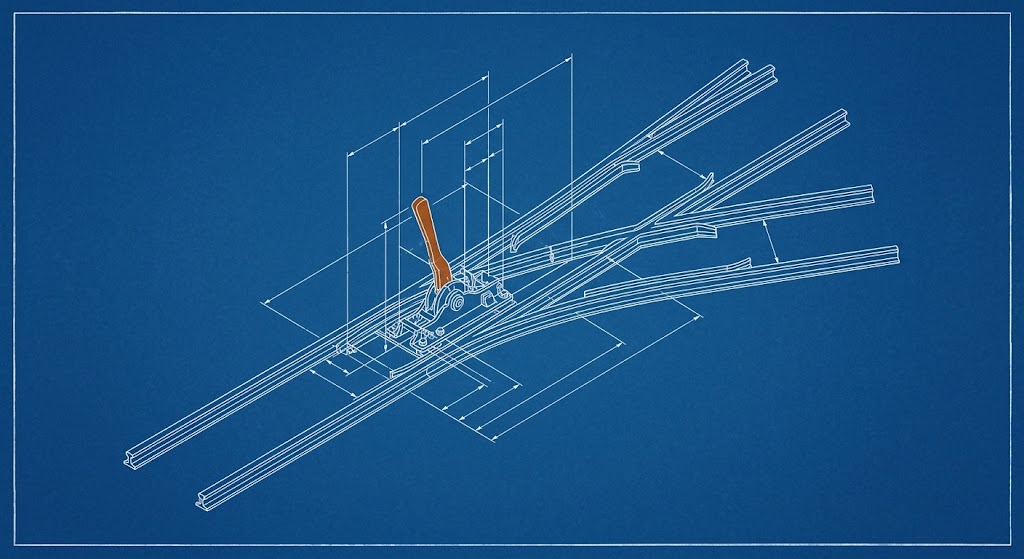
A soft fork makes the rules stricter. Blocks that were valid before may become invalid, but everything valid under the new rules was already valid under the old ones.
That means old software still accepts the new chain. It does not understand the new rules, but it does not reject blocks that follow them.
This backwards compatibility is why soft forks are considered the safer option. Nodes that never upgrade keep following the same chain as everyone else.
Bitcoin’s Taproot activation in November 2021 was a soft fork. So was SegWit before it.
Hard Fork: Loosening the Rules
A hard fork makes previously invalid things valid. Larger blocks, new transaction types, changed issuance.
Old software rejects those blocks because they break rules it still enforces. So every node has to upgrade, or it stops following the main chain.
This is where chain splits come from. If a meaningful group refuses to upgrade, two chains continue in parallel with a shared history and divergent futures.
Most hard forks are uncontroversial. The entire network agrees, everyone upgrades, and no split occurs. Ethereum has done this many times.
TypeRule changeOld nodesSplit riskSoft forkStricterStill follow the chainLow, unless adoption failsHard forkLooserRejected from the chainHigh if contestedFeature gateStaged activationMust be running the clientVery low
Feature Gates: The Third Category
Some networks ship changes inside a client release and switch them on later, one at a time, at agreed points.
Solana calls these feature gates. The code is already in the software everyone is running, but the behavior does not change until the gate opens.
This lets a large change roll out in stages, with each step tested in production before the next. Solana’s slot-time reduction is structured as five separate gates rather than one switch.
Feature gates are not really forks at all. They are scheduled activations within a coordinated client upgrade, and they rarely carry split risk.
The Part That Can Cost You Money
When a chain splits, you hold a balance on both chains. That second balance looks free.
Replay attacks are what turn it into a loss. If the two chains have not implemented replay protection, a transaction signed on one chain can be valid on the other.
The trap works like this. You sell your fork coins to a buyer. Because both networks recognize the same signed transaction, the buyer copies it and broadcasts it on the main chain. You lose the fork coins and the real coins.
Bitcoin Cash implemented replay protection in 2017 specifically to prevent this. Not every split does.
The safe action during a split is the boring one. Leaving coins untouched carries no replay exposure at all. If you intend to claim or sell, use a coin-splitting tool before moving anything.
How Activation Gets Decided
Different networks answer this very differently, and the answer tells you a lot about the chain.
Bitcoin uses miner signaling against a threshold. A proposal specifies what share of blocks must signal support, and it activates only if that level is reached.
Optimisus covered what happens when it is not, in the piece on a fork that drew 2.53% and split the chain anyway.
Cardano now uses on-chain governance, with separate votes by delegated representatives, stake pool operators and a constitutional committee. Optimisus examined that in the piece on Cardano changing its own protocol by vote.
Ethereum coordinates through developer calls and client teams with no formal on-chain vote. Solana runs governance proposals alongside staged client releases.
What to Check When You Read About One
Four questions cover almost everything.
Is it a hard fork, a soft fork, or a staged activation? That tells you whether a split is even possible.
Does it have broad support? A contested hard fork is the only scenario with real split risk.
Is there replay protection? This is the question that determines whether your existing coins are exposed.
Do you need to do anything? For most upgrades the honest answer is no. Holders do nothing. Validators and node operators upgrade software. Exchange users are covered by the exchange.
If an article does not answer those four, it has told you a network is changing without telling you whether it matters to you.
For the underlying architecture these changes operate on, our explainer on permissioned and permissionless blockchains covers who is allowed to participate in the first place.
Sources
This is not financial advice.
Optimisus covers crypto and technology news for readers who want the detail behind the headline.