Key Highlights Pi Network published a new blog on 8 October 2026 outlining its principles for stablecoins, stressing a deliberate design that keeps Pi as the primary cryptocurrency. Stablecoi
Key Highlights
Pi Network published a new blog on 8 October 2026 outlining its principles for stablecoins, stressing a deliberate design that keeps Pi as the primary cryptocurrency.
Stablecoins are framed as a narrower tool for price-stable use cases—accounting, settlement, external connectivity—rather than a replacement for Pi.
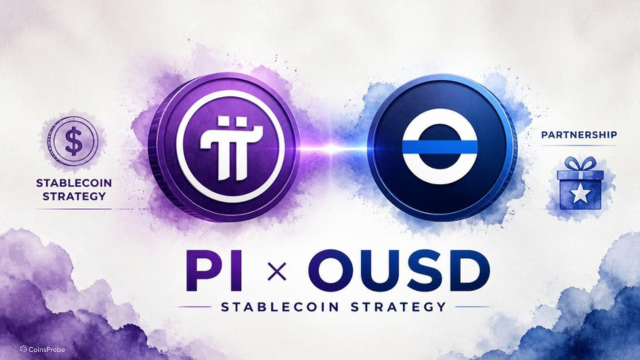
The Core Team reiterated its partnership with Open Standard (OUSD), saying it will explore Pioneer rewards programs and broader ecosystem utility.
No implementation timeline, Mainnet integration details, or technical specs were released; compliance is flagged as a core consideration.
Pi Network is laying out how stablecoins should fit inside its ecosystem—if they fit at all—rather than simply adding another dollar-pegged token.
On 8 October 2026 the project published “Pi Network’s Approach to Stablecoins.” The next day the official Pi Core Team account pointed Pioneers to the post, noting that the team is exploring how stablecoins can add utility while remaining complementary to Pi, and how the existing OUSD partnership fits that strategy.

Pi Network Exploring Stablecoins | Source: @PiCoreTeam (X)
Source: @PiCoreTeam (X), 9 October 2026; Pi Network blog, 8 October 2026
The blog draws a clear line. Pi is described as the native cryptocurrency that supports ecosystem participation and utility across apps, developer tools, commerce, and payments. Stablecoins, by contrast, are positioned for situations where predictable value matters.
Price swings, the post notes, can complicate accounting, settlement, and dealings with parties outside the network. Businesses may also have limited appetite for token-price exposure. Stablecoins could therefore act as connectivity channels—letting certain activity stay inside Pi instead of routing through external rails—while Pi itself remains the primary crypto used across the network’s processes.
The Core Team explicitly says its approach “may thus differ from how stablecoins have been introduced elsewhere,” and that simply adding a stablecoin does not guarantee it will complement Pi.
Pi says it chose to work with OUSD because the stablecoin reflects a principle the project has long emphasized: networks work best when value stays with the people and businesses that build and use them.
OUSD is described as governed by a consortium of 200+ companies, free to mint and redeem at any scale, and structured so that most reserve income returns to the partners who distribute it. In the partnership, Pi will explore rewards programs for Pioneers and broader utility across the ecosystem.

Pi Network Partners with Open Standard | Source: @PiCoreTeam (X)
Open Standard’s OUSD went live on 30 September 2026 on Base, Ethereum, Solana, and Tempo. It is issued by Bridge (a Stripe company), mints and redeems 1:1 with USD at no cost, and holds reserves at BlackRock, Lead Bank, and BNY, with monthly attestations. Founding and partner names previously cited around the project include Visa, Google, Stripe, Mastercard, Coinbase, BlackRock, and Shopify. Pi’s latest blog does not add new integration dates or on-chain addresses for the Pi ecosystem itself.
The post states that any stablecoin implementation inside Pi will be “intentionally and cautiously designed” to match the network’s needs. The current focus is on principles that should guide future integration. Compliance is called out as an important factor.
No technical mechanism, reserve model specific to Pi, rollout schedule, or change to Pi’s token role is announced. The blog closes by saying readers should look forward to more information as the approach develops.
Whether “explore rewards programs” turns into a concrete Pioneer incentive tied to OUSD distribution or usage.
Any signal that OUSD (or another stablecoin) will be usable inside Pi Browser apps, commerce flows, or settlement—versus remaining an external partnership.
How the team balances price-stable rails with its repeated statement that Pi stays the primary crypto.
Compliance steps, given the blog’s explicit mention of regulatory considerations and the lack of a published timeline.
The 9 October post from @PiCoreTeam frames the blog as the place to understand Pi’s approach, the potential expansion of participation, the need for careful design, and the role of the OUSD partnership. Execution details remain ahead of the announcement.
Investment Disclaimer: Cryptocurrency markets are highly volatile. This article is for informational purposes only and does not constitute financial, investment, or trading advice. Always conduct your own research.
Also Read: Bitcoin Is Still in the Early Bull Phase — CryptoQuant Founder Says BTFD