BNB supports Binance services while quarterly burns reduce circulating supply. ADA powers Cardano's efficient proof-of-stake network for decentralized applications. DOGE gains strength from c
- BNB supports Binance services while quarterly burns reduce circulating supply.
- ADA powers Cardano's efficient proof-of-stake network for decentralized applications.
- DOGE gains strength from community support and widespread mainstream recognition.
Many investors want exposure to cryptocurrency beyond Bitcoin. While thousands of digital assets compete for attention, only a small number have built strong communities, real-world utility, and long-term staying power. BNB, ADA, and DOGE continue to attract investors for different reasons. Each brings unique strengths to the market, from practical blockchain use to large user adoption. For anyone searching for established altcoins, these three names deserve serious consideration.
Binance Coin (BNB)
Source: Trading View
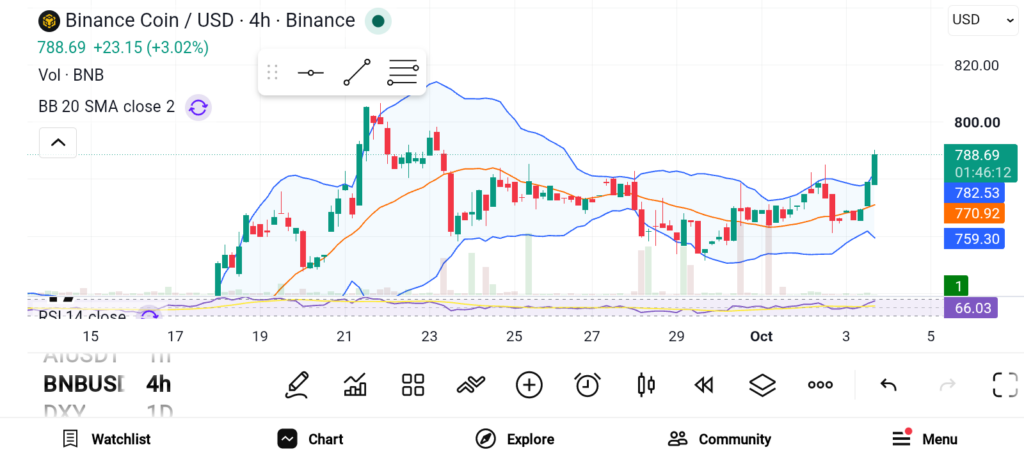
BNB serves as the native cryptocurrency of the Binance ecosystem, home to the world's largest crypto exchange. The coin originally launched on the Ethereum network before Binance introduced a dedicated blockchain. Since then, BNB has grown far beyond a simple exchange token. Many traders use BNB to reduce trading fees on Binance. The coin also supports payments, online purchases, travel bookings, and other digital services. Demand continues because of strong utility across multiple platforms. Another key advantage comes from limited supply. Only 200 million tokens will ever exist. Binance also conducts quarterly token burns by repurchasing and permanently removing coins from circulation. This process reduces available supply and helps support long-term scarcity. For investors seeking utility and supply control, BNB remains a compelling option.
Cardano (ADA)
Source: Trading View
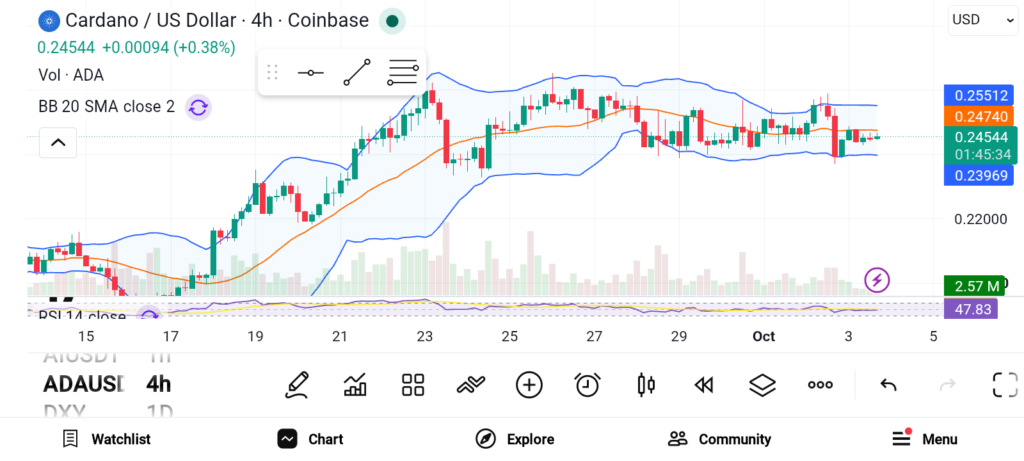
Cardano was founded in 2015 by Charles Hoskinson, one of Ethereum's co-founders. Following disagreements with former partners, Hoskinson launched Cardano with a vision focused on scalability, efficiency, and decentralized application development. Today, Cardano stands as one of Ethereum's most recognized competitors. ADA functions as the network's native currency and powers transactions across the platform. Unlike Bitcoin, Cardano uses a proof-of-stake system. Under this model, validators are selected to confirm transactions rather than competing through energy-intensive mining processes. This approach improves efficiency and reduces energy consumption. Supporters often view Cardano as a project focused on long-term development rather than short-term hype.

Dogecoin (DOGE)
Source: Trading View
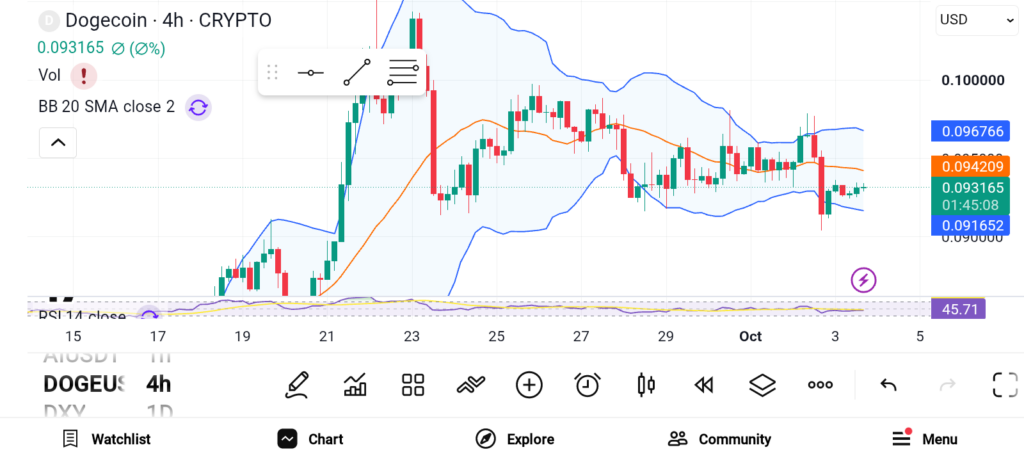
Dogecoin began as a fun project inspired by a popular internet meme. Created by Billy Markus and Jackson Palmer in 2013, DOGE quickly gained a loyal following. Over time, celebrity endorsements and growing public awareness pushed the coin into mainstream discussions. Despite humorous origins, Dogecoin operates much like other cryptocurrencies. Users can transfer value directly, while blockchain technology records and verifies transactions. DOGE also benefits from strong brand recognition and widespread accessibility. However, one major difference separates Dogecoin from Bitcoin. No maximum supply exists, meaning new coins continue entering circulation. Such a structure can increase inflation pressure over time.
BNB, ADA, and DOGE each offer distinct advantages. BNB combines utility with a shrinking supply. ADA focuses on efficient blockchain technology and long-term growth. DOGE benefits from community strength and global recognition. Together, these three altcoins remain strong candidates for investors looking to accumulate established cryptocurrencies.