Self-custody just met Wall Street. Trust Wallet boasts a massive user base. Roughly 220 million people. Now, those users have a direct pipeline into Robinhood Chain, the brokerage giant's bra
Self-custody just met Wall Street.
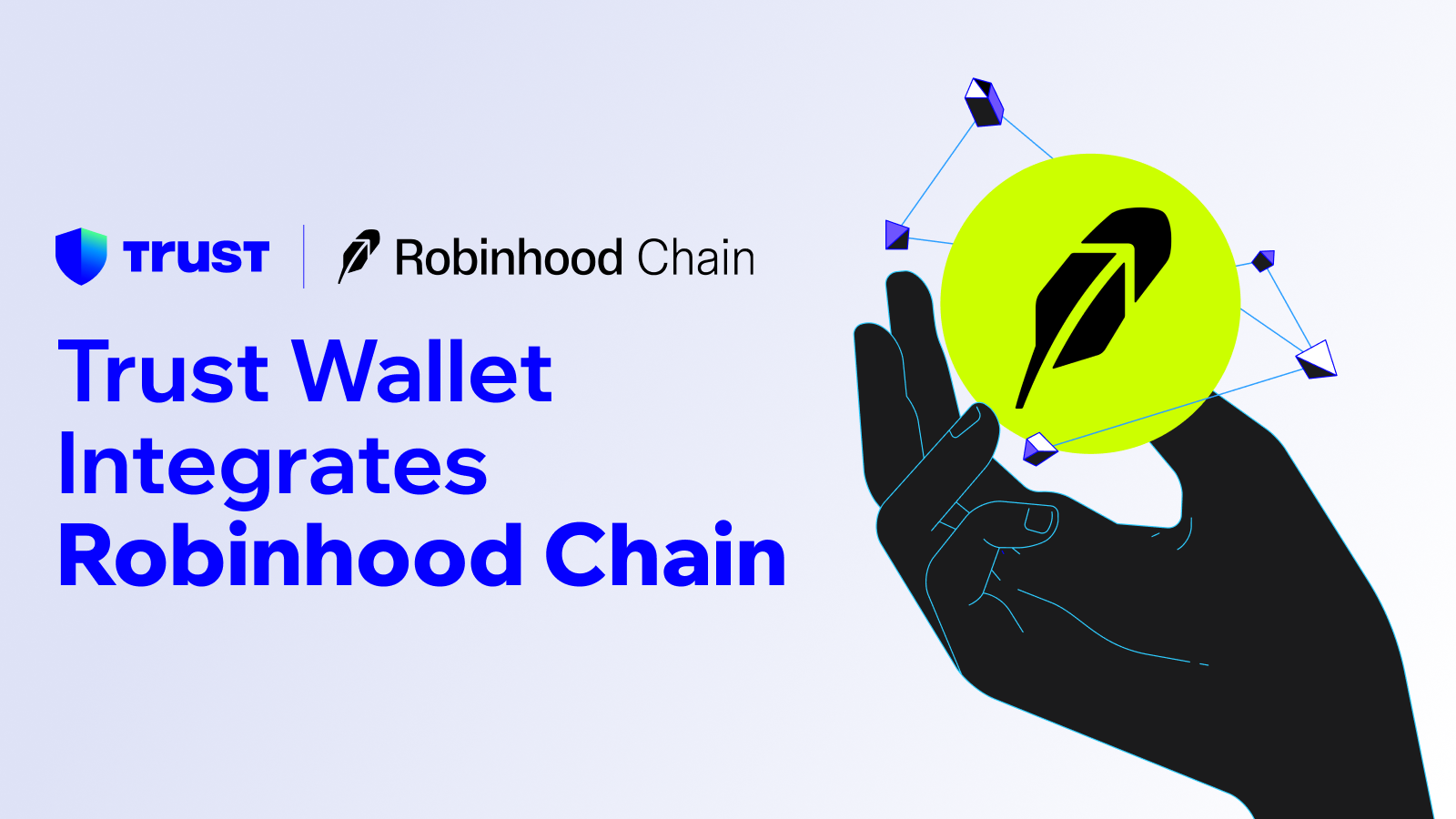
Trust Wallet boasts a massive user base. Roughly 220 million people. Now, those users have a direct pipeline into Robinhood Chain, the brokerage giant's brand-new Layer 2 network.
This isn't just about moving crypto around. It's about fundamentally changing how people hold traditional investments.
Trading Apple Alongside Ethereum
Robinhood recently launched the public mainnet for its Ethereum-compatible blockchain. The explicit goal was to drag traditional financial assets onto a decentralized network.
By adding Robinhood Chain to both its mobile app and browser extension, Trust Wallet is making that a reality for its audience. Users can now send, swap, and store tokenized U.S. equities and other real-world assets (RWAs).
Most importantly? They get to keep their private keys. You own the asset, not the broker.
This partnership is a massive distribution win for Robinhood. Instead of forcing everyone to download a proprietary app, they are pushing their network directly into one of the industry's most popular crypto wallets.
The 24/7 Stock Market
Robinhood is pitching its new Layer 2 as the ultimate hub for tokenized finance.
For eligible users in more than 120 countries, the chain enables around-the-clock trading of tokenized U.S. stocks. No waiting for the morning bell. No weekend closures.
They also brought in the heavy hitters to make sure the plumbing works.
- Infrastructure: Alchemy, BitGo, and Chainlink helped get the network off the ground.
- Liquidity: Uniswap is already live, fueling decentralized swaps right out of the gate.
The long-term roadmap is ambitious. Robinhood wants to support decentralized lending, borrowing, and AI-powered financial tools directly on-chain.
Meme Coins Meet Traditional Finance
Of course, it’s still crypto.
Robinhood CEO Vlad Tenev openly acknowledged the current surge of meme coin speculation happening on the network. He’s fine with it. But he also made it clear that the network’s true north is the tokenization of real-world assets. The dual approach allows the chain to capture the chaotic energy of crypto traders while building a serious foundation for institutional assets.
The broader industry is actively racing to bridge traditional financial markets with decentralized tech. As more platforms like Trust Wallet embrace these emerging networks, self-custody is quickly becoming a non-negotiable feature for the future of finance.
The update is already live. Users can jump into Robinhood Chain on Trust Wallet right now.
How to Actually Use It

Want to give it a test drive? Moving assets around on the Robinhood Chain is surprisingly simple. It takes just a few taps. Here is your quick-start guide to receiving, sending, and swapping inside Trust Wallet.
Receiving Assets
- Open the Trust Wallet home screen and tap the Receive icon.
- Search for “Robinhood Chain” or just tap the network's logo.
- Select the specific asset you want to receive.
- Copy your unique deposit address or pull up the QR code.
- Paste that address (or scan the code) into the platform you are transferring funds from.
Sending Assets
- Hit the Send icon on your home screen.
- Search for “Robinhood Chain” and tap it.
- Choose the asset you want to move.
- Drop in the destination address and type out the amount.
- Review the details to make sure everything looks right, then tap Confirm.
Swapping Assets
- Tap the Swap icon from the main screen.
- Choose the token you are starting with, make sure the chain is set to Robinhood Chain, and enter the amount.
- Pick the token you want to receive (also on Robinhood Chain).
- Review the final quote. If the math looks good, hit Confirm.
The bridge between traditional finance and decentralized tech is officially open. And it fits in your pocket.