Cryptocurrency does not disappear when its owner dies. The coins stay on the blockchain. What can disappear is the ability to reach them. Unlike a bank account, crypto held in a personal wall
Cryptocurrency does not disappear when its owner dies. The coins stay on the blockchain. What can disappear is the ability to reach them.
Unlike a bank account, crypto held in a personal wallet has no branch to call and no beneficiary form. Access depends on private keys, and heirs can only use what they can find.
This article gathers the main statistics and facts from six published sources. It covers lost Bitcoin estimates, planning gaps, wills, taxes, and the tools people use to pass on crypto.
Key Statistics at a Glance
Figures on lost crypto are estimates, not exact counts. Each source uses its own method and date. The table lists the main numbers found across the sources.
Statistic
Figure
Source
Bitcoin estimated lost for good
2.3 million to 4 million BTC (11% to 18% of supply)
Ledger Academy, Afterlife AI
Chainalysis estimate of lost Bitcoin
About 3.7 million BTC, worth about $315 billion on October 4, 2026
24/7 Wall St.
Bitcoin locked after owners died without sharing keys
$20 billion or more
Law Office of Andrew Kern
Projected crypto inheritance transfers by 2045
$6 trillion
Ledger Academy
Crypto holders who worry about inheritance
Nearly 90%
Ledger Academy
Americans who have documented their digital assets
24%
Law Office of Andrew Kern
The chart below shows the range of lost Bitcoin estimates in millions of coins.
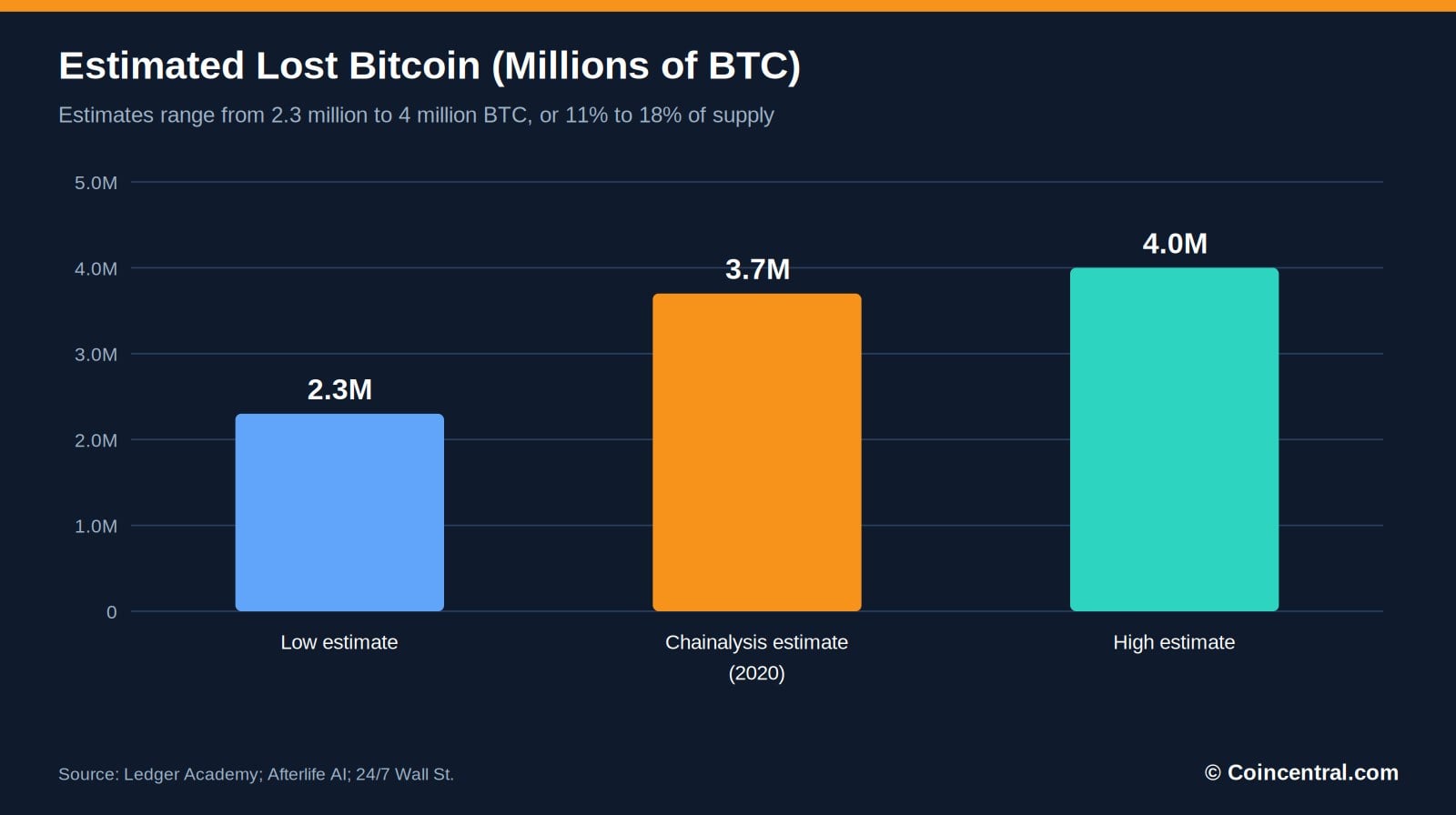
Figure 1: Estimated lost Bitcoin, in millions of BTC.
The range is wide because no one can count coins that sit still on a blockchain. The sources also list causes other than death, such as scams and destroyed seed phrases. That makes it hard to say how many coins were lost at death alone.
The six sources include a financial news site, two law offices, a hardware wallet maker, a digital legacy company, and a market news outlet. Some of them sell products or services tied to crypto storage or estate planning. Readers should keep that in mind when weighing the figures.
How Much Bitcoin Is Lost?
Ledger Academy and Afterlife AI both say 2.3 million to 4 million Bitcoin are already lost. Ledger says that equals 11% to 18% of the total supply. Afterlife AI says some of these coins were lost when owners died without writing down how to reach their wallets.
24/7 Wall St. cites a 2020 estimate from the data firm Chainalysis. It says about 3.7 million BTC appear to be lost, valued at around $315 billion as of October 4, 2026. The article says these coins are locked because heirs never found the wallet keys.
The Law Office of Andrew Kern gives a smaller figure. It says an estimated $20 billion in Bitcoin is permanently inaccessible because owners died without sharing their private keys.
Estimate
Amount
What it appears to count
Ledger Academy and Afterlife AI
2.3 to 4 million BTC
All Bitcoin lost for good
Chainalysis, via 24/7 Wall St.
About 3.7 million BTC (about $315 billion)
Bitcoin that appears lost
Law Office of Andrew Kern
$20 billion or more
Bitcoin lost when owners died without sharing keys
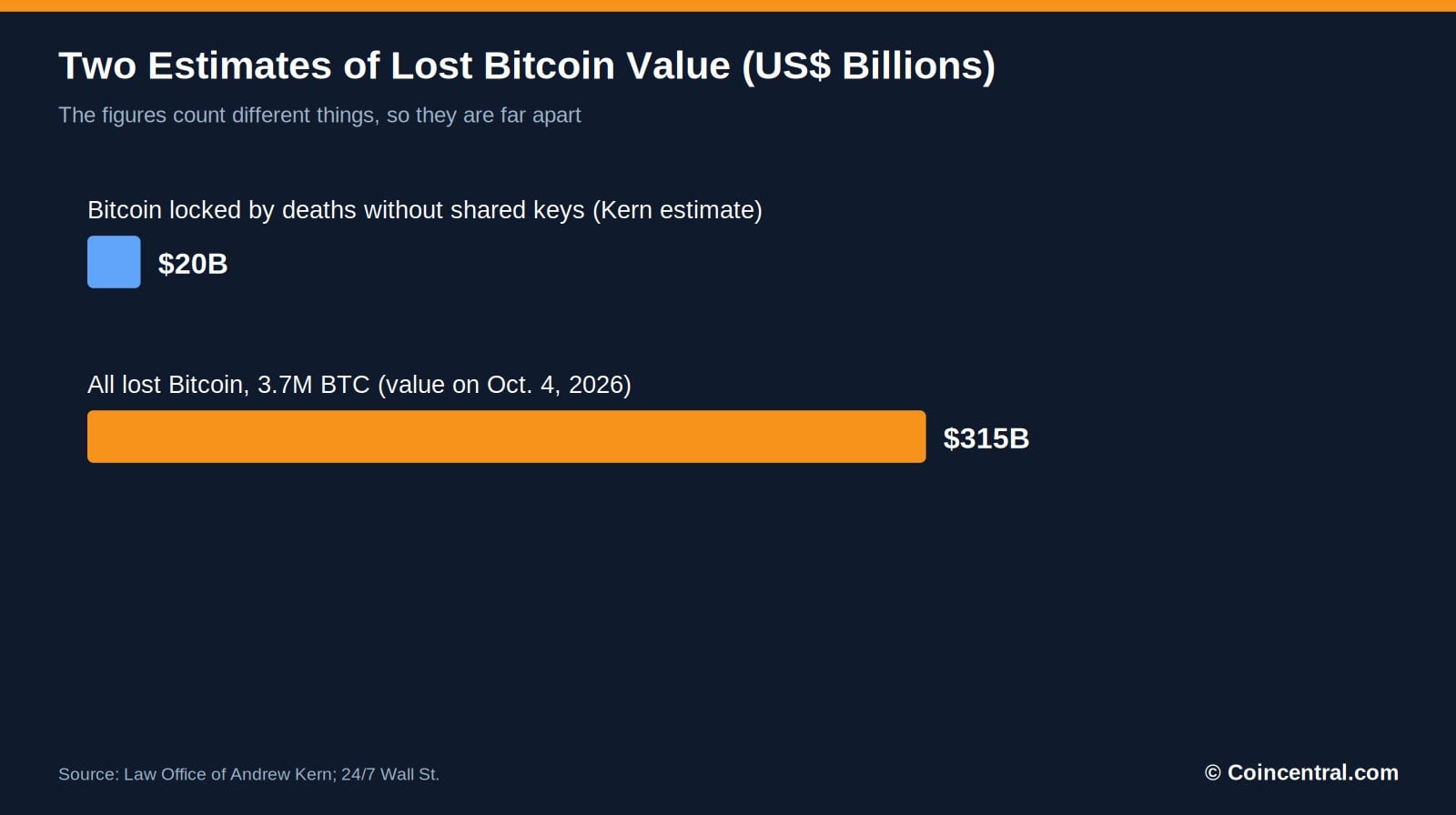
Figure 2: Two estimates of lost Bitcoin value, in US dollars.
The numbers differ because they likely measure different things. The $315 billion figure covers all lost coins. The $20 billion figure covers only owners who died.
The sources agree on the cause. Ledger Academy writes that the blockchain has no concept of death certificates or legal succession. It simply waits for a signature that will never come.
Ledger Academy also explains why guessing a key is not an option. It says Bitcoin uses cryptography so complex that guessing the right key is impossible, even with all of Earth’s computing power running for billions of years.
The Law Office of Andrew Kern says courts in California treat crypto as property that can be inherited, taxed, and passed through probate. In practice, it says, heirs get nothing without the key. Afterlife AI puts it this way: the blockchain never loses your crypto, it only loses the people who knew how to reach it.
The Inheritance Planning Gap
Many crypto holders worry about what happens to their coins, yet few make a plan. Ledger Academy cites a Cremation Institute study that found nearly 90% of crypto holders worry about inheritance. Only a small fraction create formal plans because they do not know where to start.
The Law Office of Andrew Kern reports that 24% of Americans have documented their digital assets. That number covers digital assets in general, not only crypto. The two figures come from different groups, so they should not be compared directly.
The amounts at stake are growing. Ledger Academy, citing analyst insights based on a 2024 Bank of America report, says $6 trillion in crypto assets are projected to transfer through inheritance by 2045.
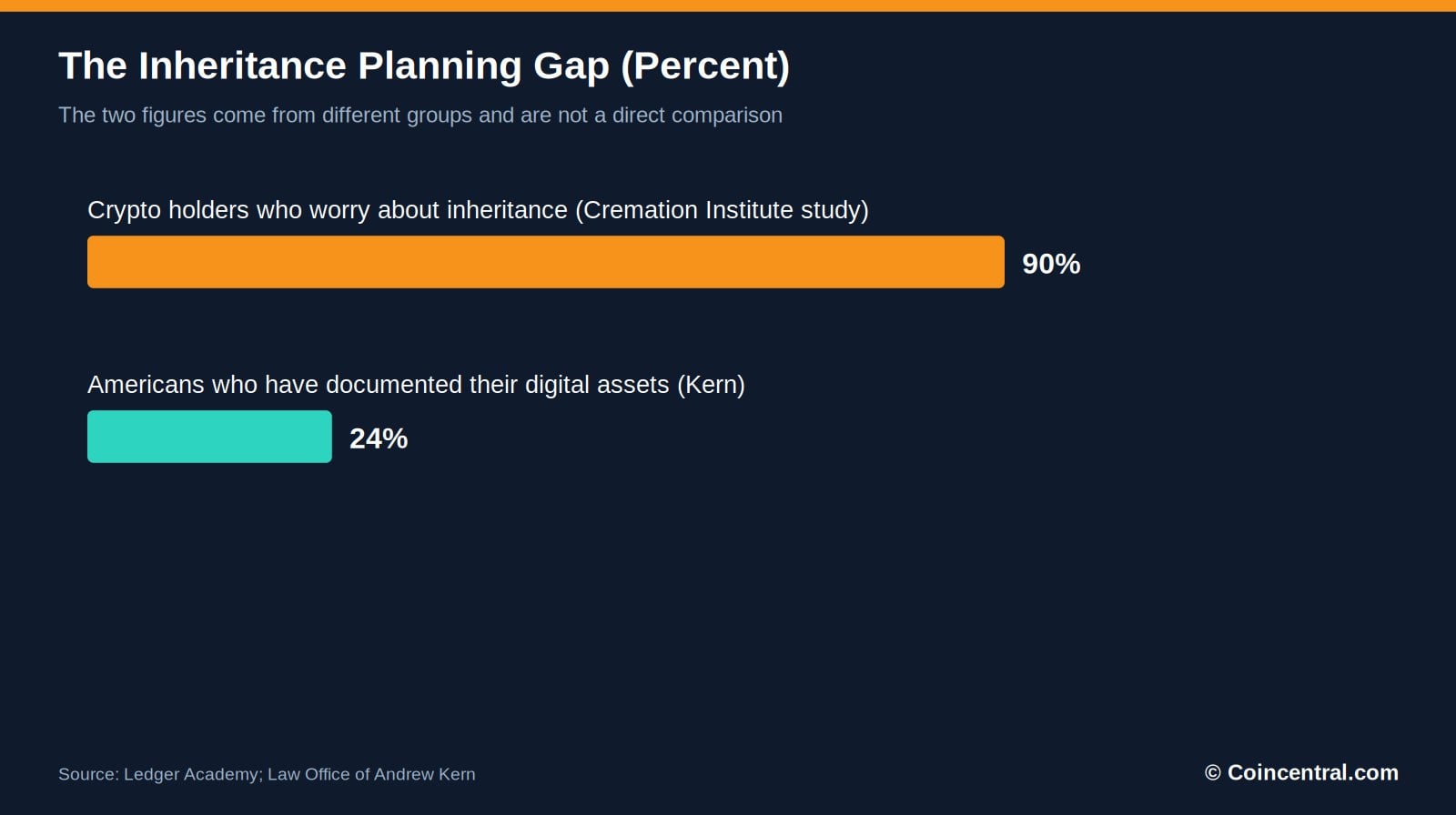
Figure 3: Worry about inheritance versus documented digital assets, in percent.
Investopedia says that naming a beneficiary may not be enough. The person also needs to know the assets exist, where they are held, and how to reach them.
Chris and Charles Brooks, who run CryptoAssetRecovery.com, suggest three early steps. Tell your heirs or at least your lawyers that you own crypto. Record and secure your backups, and test your recovery seeds while you still have access.
E-Law describes one case. A crypto investor died in an accident at age 33 and had allegedly gathered about $60 million in Bitcoin, Ethereum, XRP, and Cardano. E-Law says the claim can never be confirmed because no one knew how to reach his wallets.
Afterlife AI says a sound plan has four parts. These are a private inventory of holdings, a documented executor path for exchange accounts, a secure handoff for self-held keys, and a person with the authority to act. It lists the most common causes of loss as no record, lost keys, locked accounts, and heirs who do not know how to claim the assets.
Exchange Accounts vs Self-Custody Wallets
Where crypto is held decides what heirs face. Crypto on an exchange behaves like a financial account because a company holds the keys. Afterlife AI says most major exchanges now publish a process for deceased accounts.
The executor usually sends a death certificate, a grant of probate or letters of administration, and proof of identity. The Law Office of Andrew Kern adds that the process takes time and money, but it is possible.
Self-custody has no such process. Heirs need the seed phrase, or the hardware device and its PIN. Afterlife AI says that without them, no court order and no company can help.
Feature
Exchange or custodian
Self-custody wallet
Who holds the keys
A company
The owner
Recovery path
The provider’s estate process
None, beyond the seed phrase or device
Documents needed
Death certificate, probate papers, ID
Seed phrase, or device and PIN
Main risk
Slow, document-heavy process
Permanent loss if keys are not found
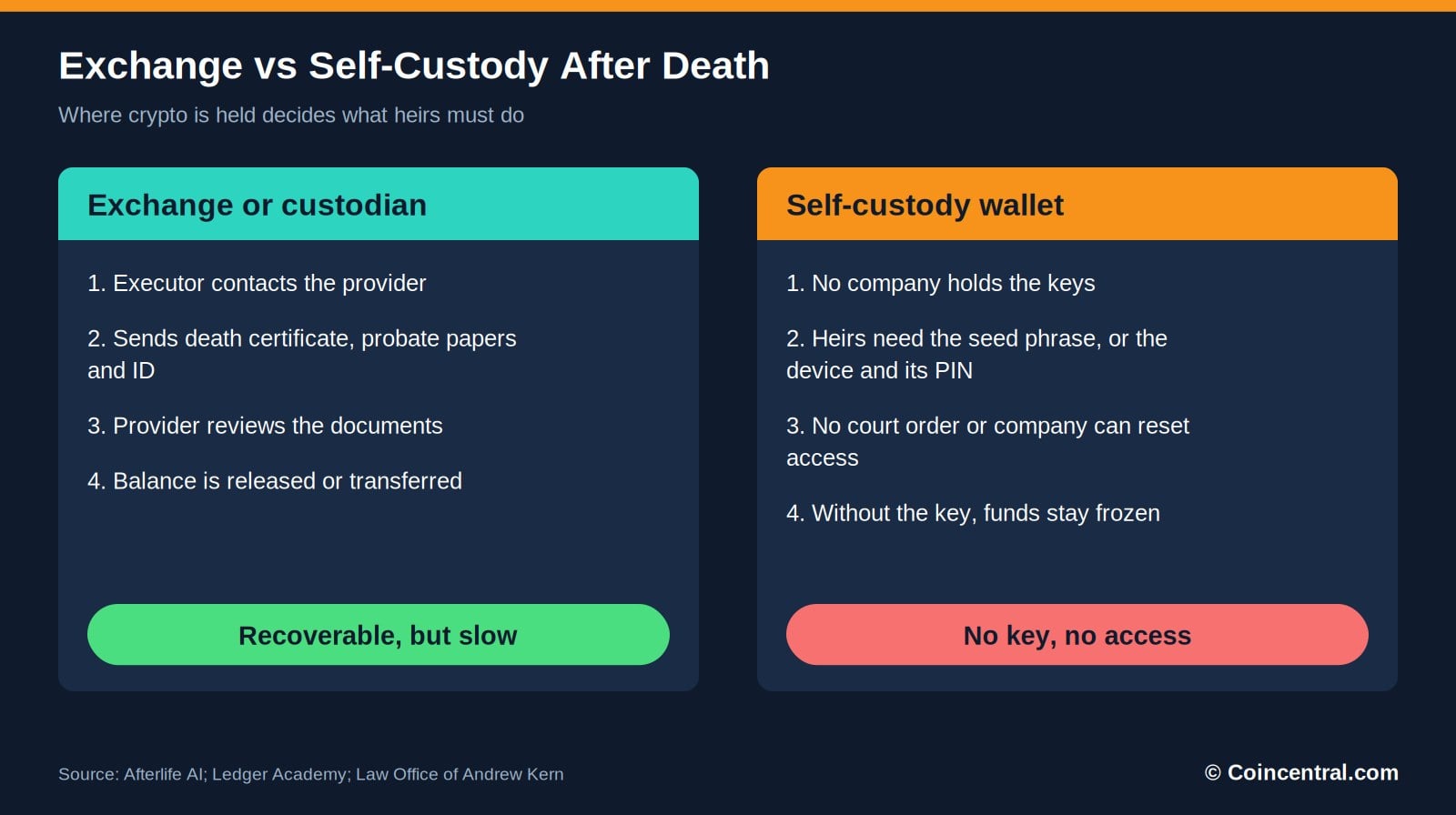
Figure 4: How recovery differs between exchange accounts and self-custody wallets.
24/7 Wall St. notes that Bitcoin held through a brokerage account, a spot Bitcoin ETF, or a regulated custodian is treated like traditional stock for inheritance. The executor handles the paperwork with the firm.
Ledger Academy warns that exchange accounts without named beneficiaries can lead to months of legal steps. The Brookses say some investors avoid custodians because of past hacks. They also say custodians have strong security and systems for moving assets to an estate.
Ledger Academy takes a different view. It says custodial wallets, such as exchanges, do not give you your own private keys. It notes the common saying, not your keys, not your coins, and says that when a custodian fails, the assets and any inheritance plan can vanish with it.
The Law Office of Andrew Kern gives advice for people who are handling a death. For crypto on an exchange, contact the exchange with a death certificate and proof of your relationship. For a private wallet with no key, it says the crypto is likely lost, and it suggests talking to a probate attorney about any options.
Why Crypto Gets Lost
Ledger Academy lists five common patterns of loss. They are hacks or scams, seed phrases lost or destroyed by fire or water, and owners who die without documenting access. The other two are hardware wallets with forgotten PINs and multisig setups that are missing key signers.
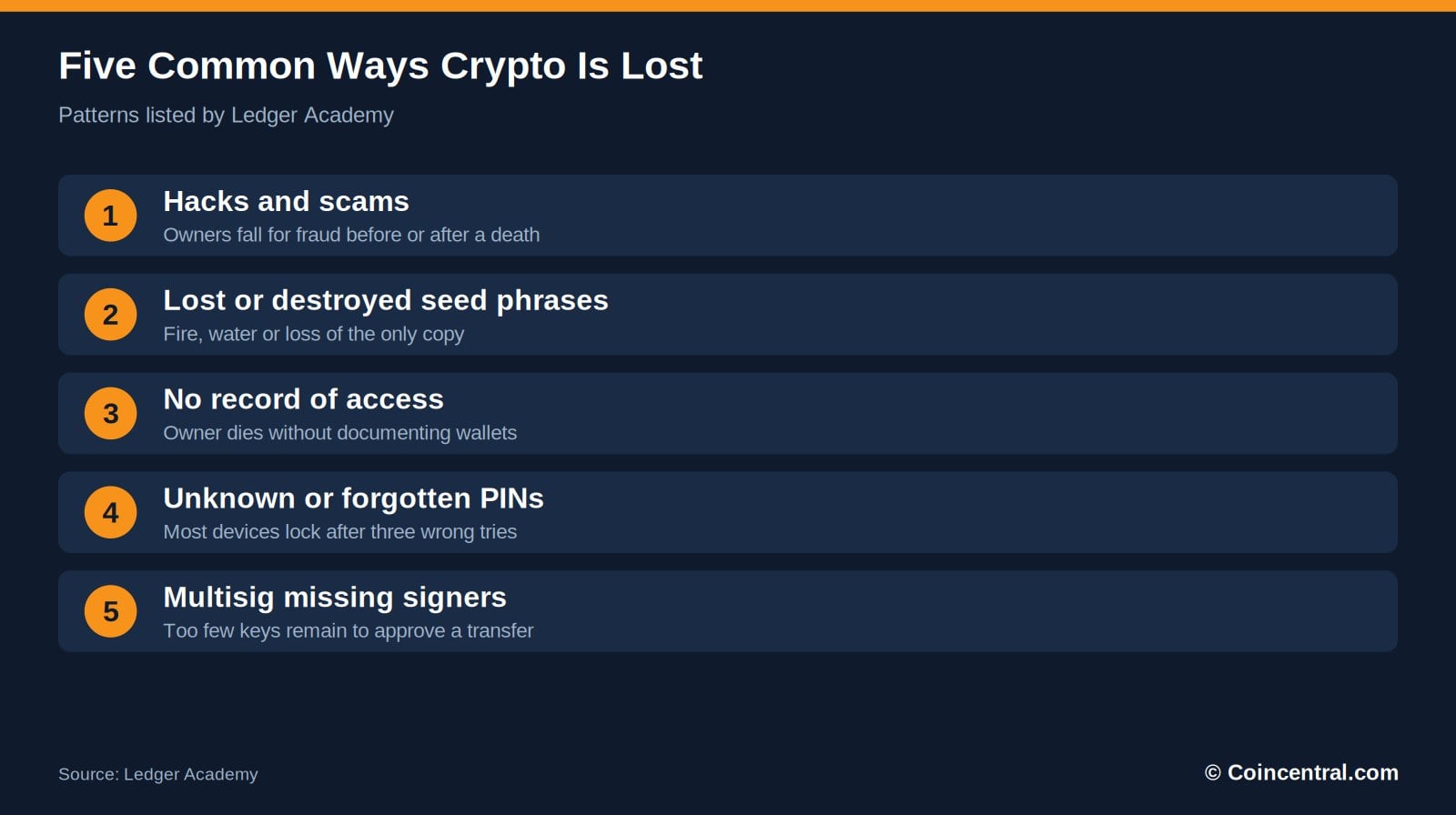
Figure 5: Five common ways crypto is lost, as listed by Ledger Academy.
Most modern wallets use a seed phrase of 12 or 24 words. That phrase can rebuild all of the wallet’s private keys on a new device. Ledger Academy says most hardware devices lock out users after three wrong PIN attempts.
Heirs can cause losses too. Ledger Academy describes an executor who types a seed phrase into a search bar and lands on a fake wallet site. It also describes a family member who photographs a seed phrase, which then uploads to cloud storage where hackers can find it.
Physical storage can also fail. If a seed phrase sits in a safe deposit box, heirs may need a court order to open it. Ledger Academy says that can take months.
The Brookses advise against using a mobile phone as the only backup. The phone may be dead, or the wallet app may no longer work, when the time comes. Some popular wallets today may also lose support by then.
Inheritance Setups and Their Limits
Ledger Academy describes four ways to set up crypto inheritance. Each trades ease of use against risk. Ledger sells hardware wallets, so readers may want to weigh its ratings with that in mind.
Approach
How it works
Security rating
Inheritance complexity
Hardware wallet and written plan
One seed phrase controls all accounts. Heirs need the seed phrase and any passphrase.
High when set up properly
Moderate to high
Multisig (for example 2-of-3)
Any two of three keys approve a transaction.
High
Moderate
Social recovery
Recovery data is split among guardians. Vault12 typically uses 3 of 5.
Not rated
Depends on guardians
Timelocked inheritance
A backup key works only after a set period of inactivity, often 6 to 12 months on Bitcoin.
Not rated
Needs expert setup
Ledger says a newer method called MuSig2 can cut Bitcoin transaction fees by 30% to 40%. It also makes a multisig transaction look like a standard one on the blockchain. Support starts in Ledger Bitcoin app version 2.4.0.
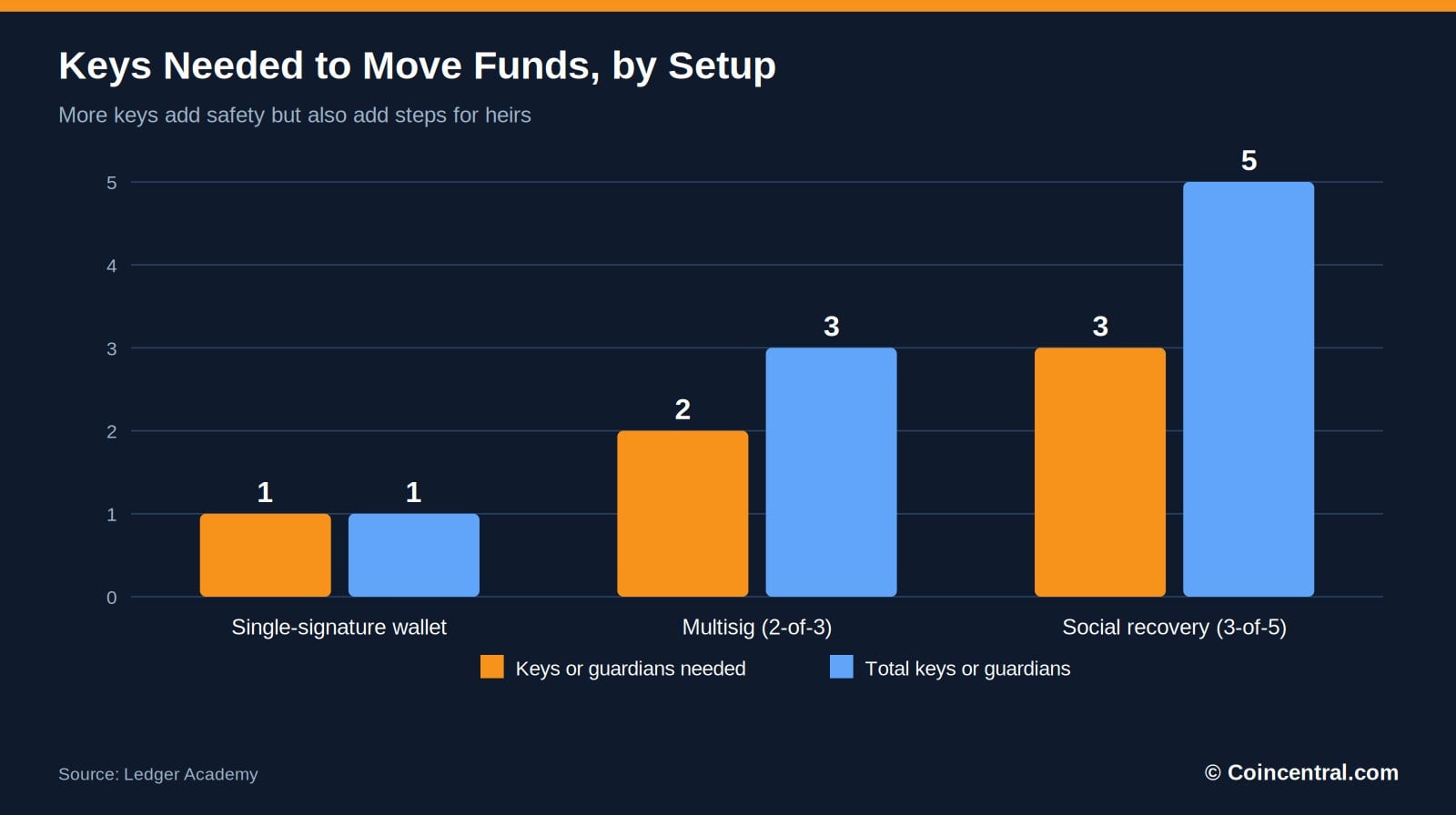
Figure 6: Keys or guardians needed to move funds, by setup.
Each setup has limits. In a 3-of-5 guardian plan, losing contact with three guardians makes recovery impossible. Ledger also says guardians must stay trustworthy, available, and technically able for decades.
Timelocks carry their own risks. A missed check-in or a setup mistake can lock funds or release them too early. Ledger says every new Bitcoin deposit needs its own timelock setup.
Ledger calls one Ethereum method, EIP-7702 social recovery, highly experimental. It says most users are better served by Bitcoin multisig or traditional Ethereum multisig.
Holding coins on several networks adds work. Ledger Academy says owners of Bitcoin, Ethereum, Solana, and other assets should document each chain with its own recovery steps. It adds that using fewer chains greatly reduces inheritance complexity, though spreading holdings may still make sense for some investors.
Wills, Probate, and Taxes
Four of the sources give the same warning. Never put a seed phrase, private key, or password in a will. A will that goes through probate may become a public record.
Instead, the will can name the assets and say who controls them. Access details belong in a separate private document. E-Law calls this a letter of instruction.
E-Law says a letter of instruction keeps private keys out of the public probate process. It also says family members may need to learn how crypto works, since many are not comfortable with it. For some owners, E-Law suggests a trust so that a trustee who understands digital assets can manage and transfer them.
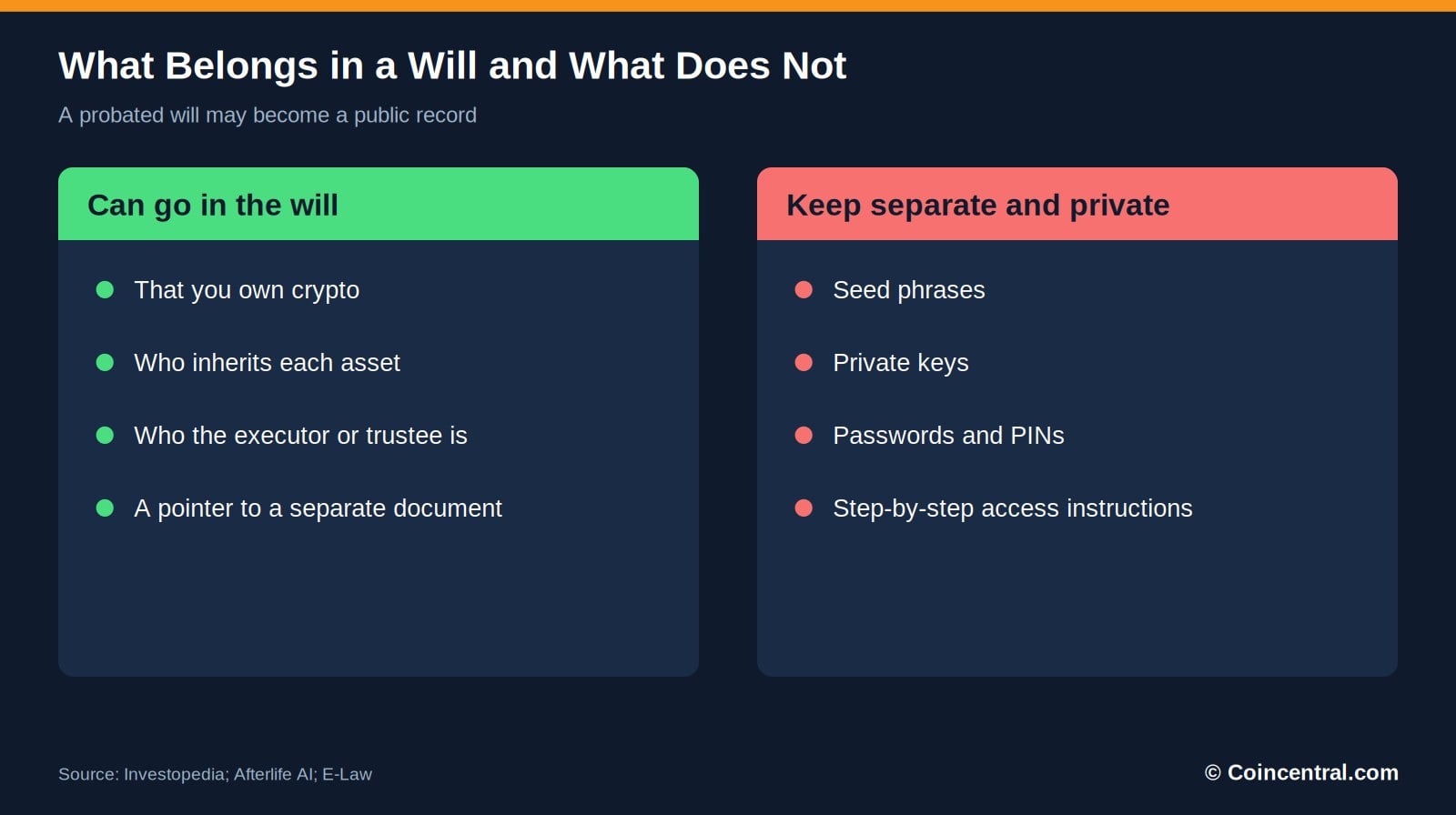
Figure 7: What belongs in a will and what should stay private.
Probate rules depend on how crypto is held. Investopedia says crypto owned individually may become part of the probate estate. Trusts and other arrangements may let some assets pass outside probate, and rules vary by state.
When someone dies without a will, crypto in the probate estate generally passes under state intestacy laws. Who inherits depends on state law and the surviving relatives.
Topic
What the sources say
Will contents
Name the assets and the person in charge. Keep keys and seed phrases out.
No will
Crypto in the probate estate generally follows state intestacy laws.
Inherited crypto
Generally receives a basis equal to fair market value on the date of death, though exceptions apply.
Gifted crypto
Follows different basis rules. A bona fide gift generally does not count as income to the receiver, but tax may be due when it is sold.
Fiduciary access
The Revised Uniform Fiduciary Access to Digital Assets Act, adopted in some form by many states, gives a legal framework for managing digital property.
The IRS treats crypto as a digital asset and applies property tax principles. Selling or exchanging it can create a taxable gain or loss. 24/7 Wall St. says the date-of-death basis could wipe out decades of capital gains for heirs.
Choosing a fiduciary needs care. Suzy Walsh, a fellow of the American College of Trust and Estate Counsel, told Investopedia that fiduciaries are supposed to keep assets safe, not hold volatile assets like crypto tokens.
NFTs, Online Accounts, and Other Digital Assets
Crypto is only one part of a digital estate. The Law Office of Andrew Kern compares several asset types. Outcomes vary by platform rules and by whether the owner left access details.
Asset type
Likely outcome
Crypto in wallets
Locked without the private key
Email, banking, cloud storage
Recoverable with a death certificate and legal proof
NFTs
Transferable if wallet access exists, but some platforms delete assets when an account closes
Online businesses
Often transferable with approval and paperwork, though Upwork and Fiverr accounts are personal
Social media
Depends on the platform: memorialized, deleted, or transferred
Time matters. Kern says Google typically takes about 30 days to process a request. Some platforms delete inactive accounts after 90 to 180 days.
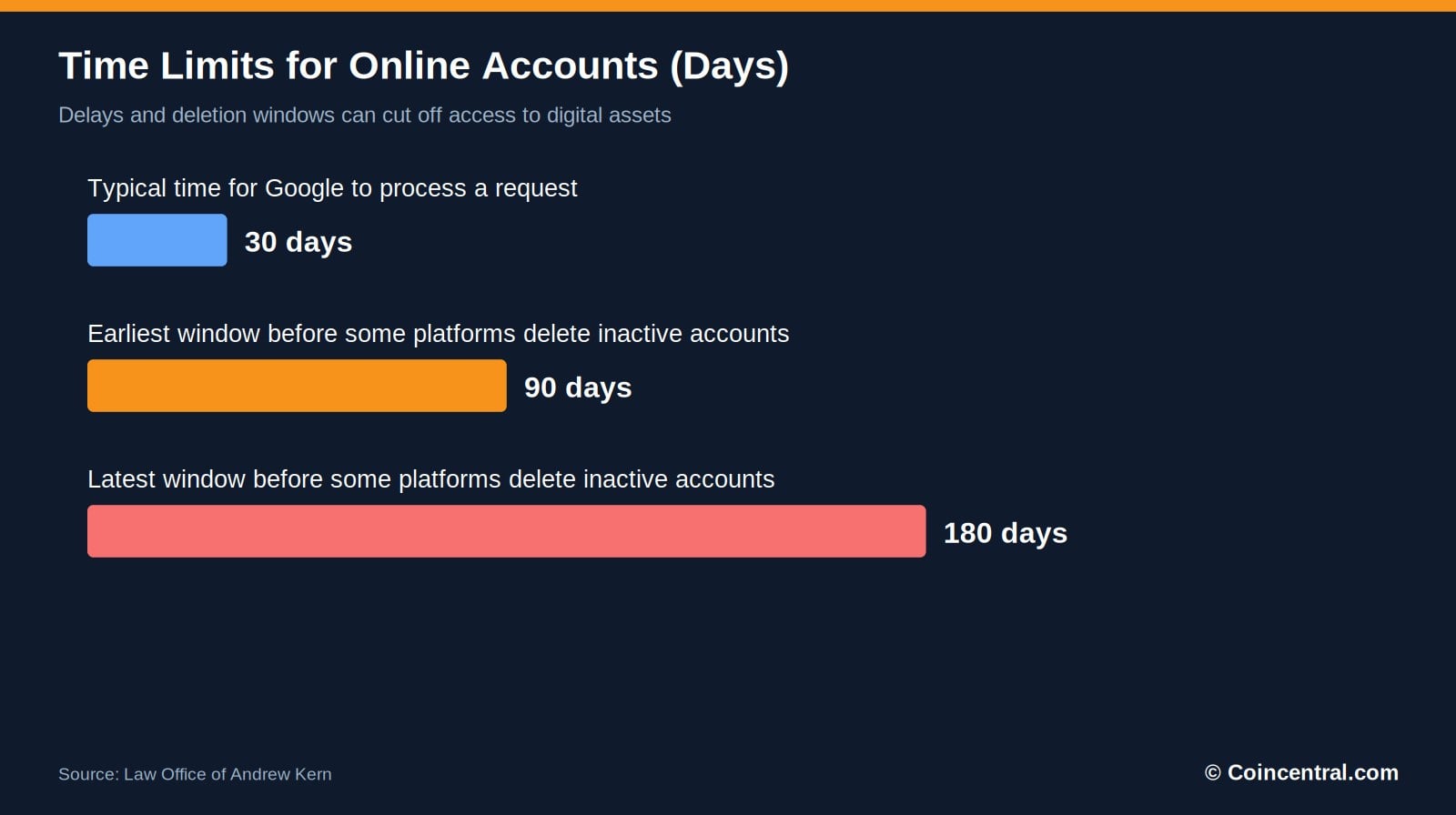
Figure 8: Time limits that affect access to online accounts, in days.
The money at risk can be steady income. Kern gives two examples: an Etsy shop earning $3,000 a month and an Upwork freelancer billing $50 an hour. Both lose revenue if the account is locked.
Social platforms differ. Facebook and Instagram let users name a legacy contact. Kern says X does not allow inheritance, and that most people never set up these options.
Kern lists six planning steps for a digital estate. List every digital asset you own, record how to reach each one, and store that information securely, such as in a password manager. Then update your will or trust to mention digital assets, set up account recovery options, and tell someone where the information is kept.
Kern also says speed matters for heirs. Contact each platform early and ask it to preserve the account. For cloud storage, it says to call the provider right away to prevent deletion.
Keeping a Crypto Plan Current
A plan can go out of date. Ledger Academy suggests a check every six months. The check includes confirming that devices power on and accept the PIN, updating firmware, confirming safe deposit box access, and reviewing the written guide.
Life events also call for a review. Ledger Academy lists marriage or divorce, the birth of a child, moving, and large crypto purchases. After a large purchase, it suggests a live test where the executor practices the full recovery steps.
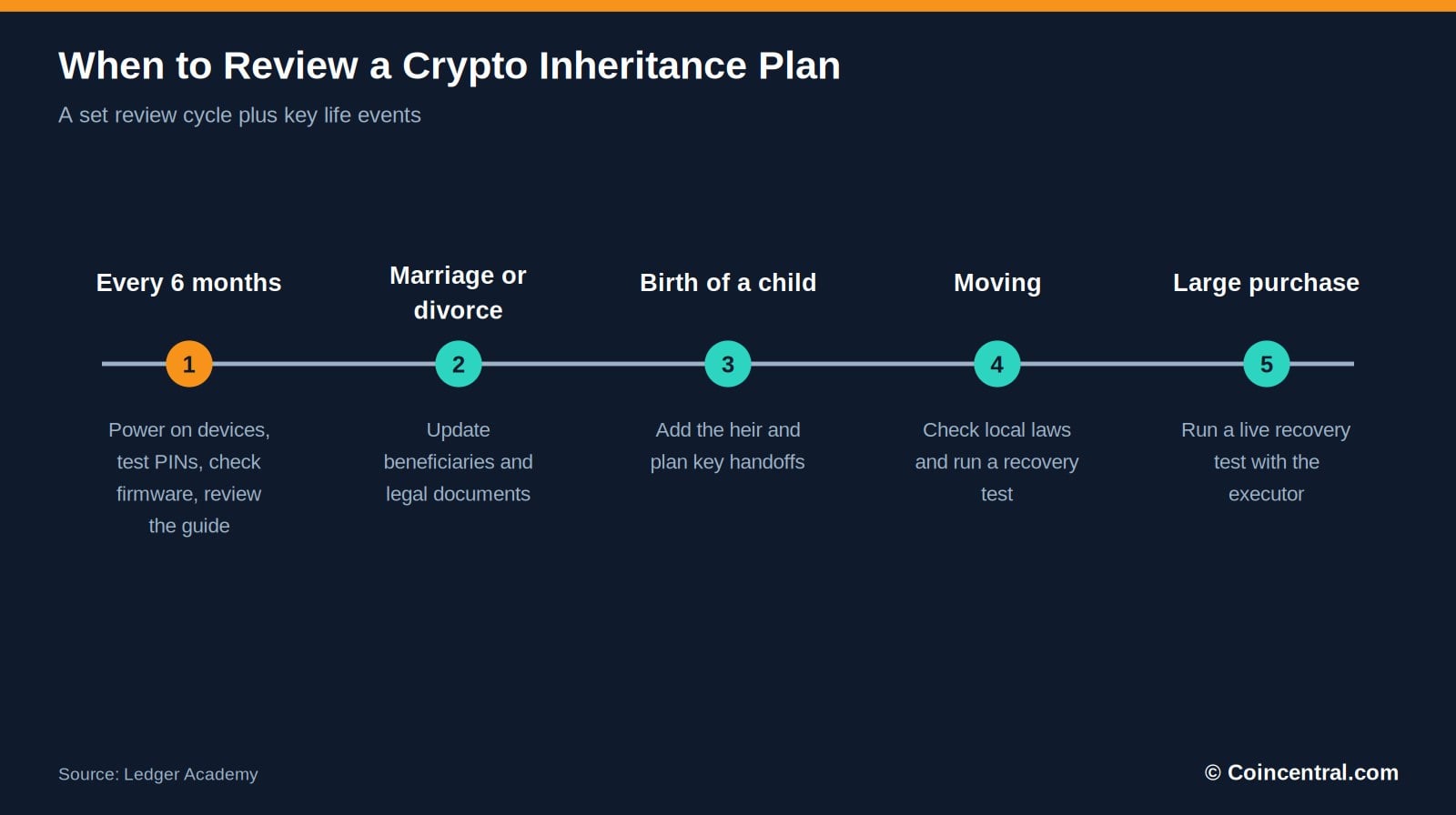
Figure 9: When to review a crypto inheritance plan.
Travel adds another risk. Ledger Academy says some countries can legally seize hardware wallets at the border. It suggests spreading multisig keys across places before a trip.
The Brookses also advise testing recovery seeds while you still have access. This confirms the seeds work and link to the right wallet.
The statistics point to one fact. Crypto survives its owner, but access often does not. The sources say a record of what you own, secure key storage, a named and prepared executor, and regular reviews are the main ways to avoid permanent loss.
Sources
- Investopedia: Protect Your Crypto Holdings for Future Generations
- Law Office of Andrew Kern: What Happens to Crypto, NFTs, and Digital Assets When You Die
- Ledger Academy: What Happens to Your Crypto When You Die: The Complete Guide
- Afterlife AI: What Happens to Your Crypto When You Die
- E-Law: What Happens When Cryptocurrency Owners Die?
- 24/7 Wall St.: What Happens to Your Bitcoin When You Die?
The post What Happens to Crypto When You Die: Key Statistics and Facts appeared first on Blockonomi.