A robotics team is trying to reproduce an experiment that taught a warehouse robot to navigate around moving obstacles. The paper is still online, and the code still runs. But the link to the
A
AnonymousCryptoCompass newsroom
November 18, 2026
3 min read
NEWS
CryptoCompass editorial visual for guides coverage.
A robotics team is trying to reproduce an experiment that taught a warehouse robot to navigate around moving obstacles. The paper is still online, and the code still runs. But the link to the camera footage and sensor logs goes to a company that shut down two years ago. Someone finds a copy of the dataset, but there’s no record of which version the researchers used.
That’s when two questions that seemed interchangeable become very different. Can you still get the data? And can you verify that it’s the same data behind the original result?
The files are only half the story
A backup can solve the first problem. The second depends on what the team recorded when it ran the experiment. If the researchers published a cryptographic fingerprint of the dataset alongside their results, another team could compare the recovered files against that record. They could tell whether they had the right version before spending a week trying to explain why the robot behaved differently.
The same problem comes up long after a system goes into production. A manufacturer might need to review the footage behind an automated inspection after switching vendors. A lab might need to revisit an older training dataset after newer versions have replaced it. In both cases, the files and the evidence tying them to a specific result need to survive together.
How XYO and Autonomys fit together
Through our integration with Autonomys, developers can use Auto Drive as a data lake through the XYO SDK. Auto Drive stores the underlying files on the Autonomys Network, while XYO Layer One anchors a verifiable record tied to that data. A team that retrieves the files later can check them against the original record.
For the robotics team, that means the camera footage and sensor logs can have a life beyond the company that first hosted them. If a researcher wants to rerun the experiment years later, there’s a way to retrieve the underlying data and check that it matches the version the team used. Developers can see how the pieces fit together in the Auto Drive data lake guide and the working sample project.
The best time to make that possible is when the original team publishes the result, while it still knows exactly which files went into it. Years later, a researcher should be able to spend their time asking whether the result holds up, with the same evidence the original team had in front of them.
Key takeaways Attackers copied data on around 27,000 orders from Trezor's shipping partner Skladon on November 7, 2026. The exposed fields are name, phone number, delivery address, email addr
Hedera averaged one GitHub commit every 39 seconds for seven days. Chainspect counted 15,422 commits across the Hedera projects it tracks, the highest weekly total it has recorded for the net
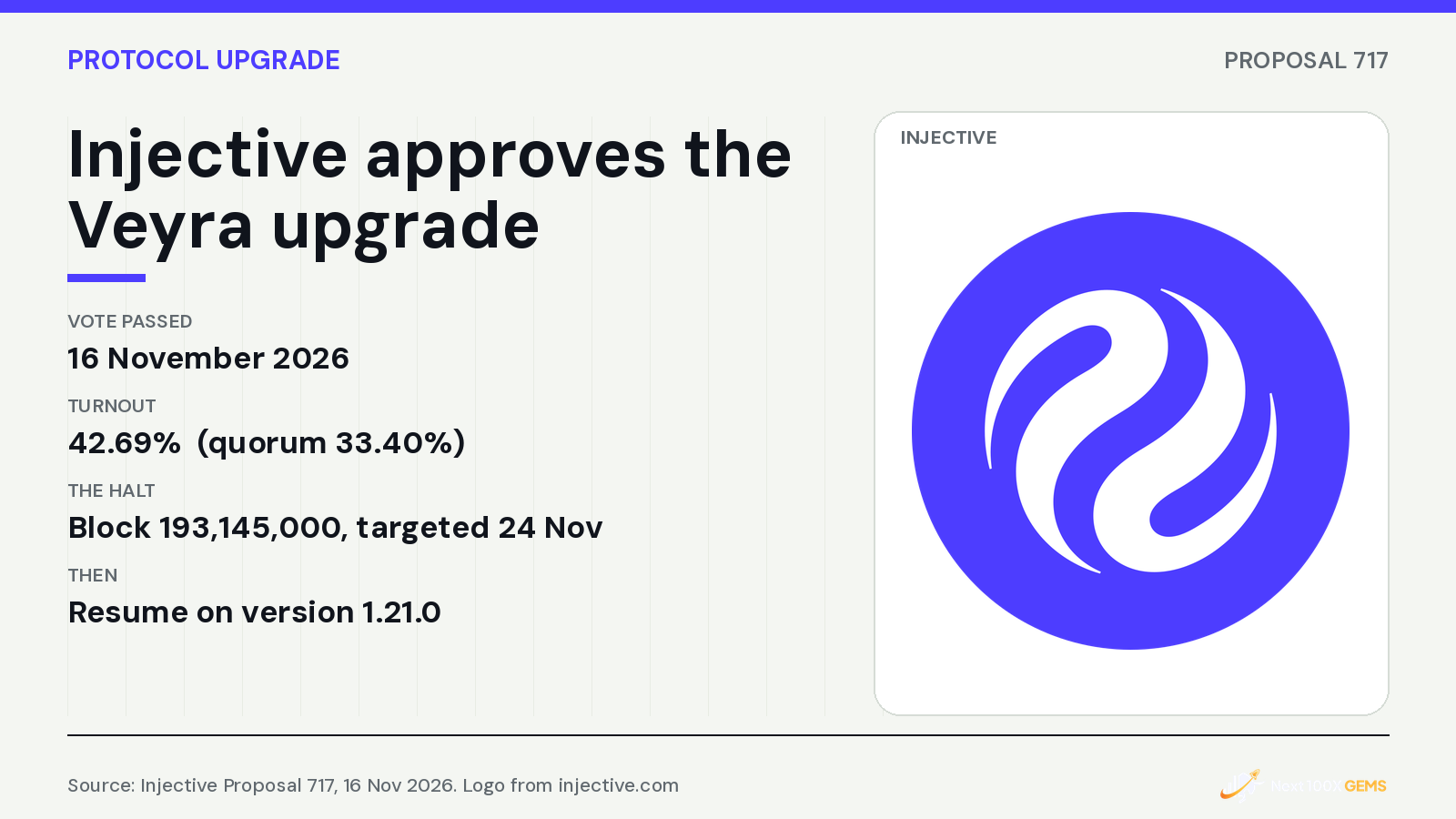
Proposal 717 passed on 16 November. That is not the same thing as Veyra going live. The vote commits the Injective chain to halt at block 193,145,000, a height the proposal targets for 24 Nov