
DeFi8 min read
Quant (QNT) Nedir?
Quant (QNT), geleneksel finans sistemleri ile blockchain teknolojileri arasında bağlantı kurmayı amaçlayan kurumsal odaklı bir fintech platformudur. Proje, farklı blockchain ağlarının, özel d
BitcoinWorld White House Says Democrats Failed to Recommend SEC and CFTC Nominees, Disputing Earlier Claims The White House has formally stated that it requested candidate recommendations fro
BitcoinWorld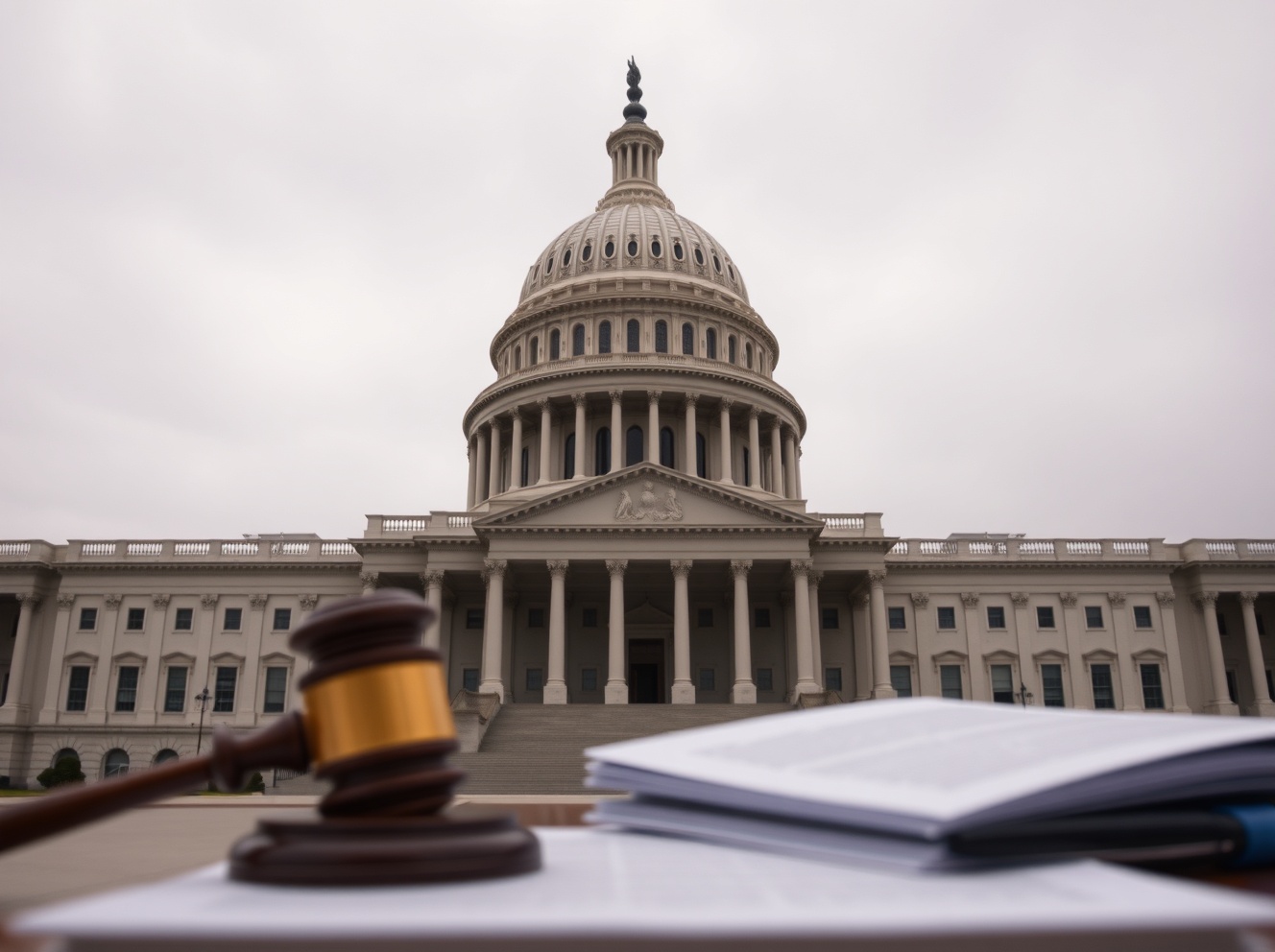 White House Says Democrats Failed to Recommend SEC and CFTC Nominees, Disputing Earlier Claims
The White House has formally stated that it requested candidate recommendations from Senate Democrats for vacant commissioner seats at the Securities and Exchange Commission (SEC) and the Commodity Futures Trading Commission (CFTC) but received no response. The disclosure, reported by Eleanor Terrett of the crypto policy outlet Crypto in America, directly contradicts earlier claims from some Democratic senators that the Trump administration was blocking their nominations.
The letter, sent to the Senate, clarifies the administration’s position that it had actively sought Democratic input for the open regulatory posts. This refutes public statements from certain Democratic lawmakers who alleged the White House was refusing to consider their proposed candidates. The lack of recommendations from the minority party has now become a point of contention, with implications for the pace of financial oversight appointments.
Both parties are facing increasing demand to fill the regulatory vacancies, particularly with a Senate vote on the CLARITY Act approaching. The legislation, which aims to provide clearer guidelines for digital asset classification, has heightened the urgency for a fully staffed SEC and CFTC. The personnel standoff is now seen as a potential bottleneck for cryptocurrency policy, as key decisions on enforcement and rulemaking may be delayed without a full complement of commissioners.
The SEC and CFTC play pivotal roles in regulating digital assets. The SEC oversees securities, including many tokens, while the CFTC handles commodities like Bitcoin and Ethereum futures. Vacancies at either agency can slow down the creation of clear regulatory frameworks, leaving the crypto industry in a state of uncertainty. The current dispute between the White House and Senate Democrats threatens to prolong this ambiguity, directly impacting market participants and investors who are seeking clearer rules of the road.
The White House’s letter has clarified the timeline of events, shifting the narrative around who is responsible for the unfilled seats. As the CLARITY Act moves toward a vote, the pressure on both parties to resolve their differences and nominate qualified candidates will only intensify. The outcome of this personnel dispute will likely have a direct bearing on the future of cryptocurrency regulation in the United States.
Q1: What is the CLARITY Act?The CLARITY Act is a proposed piece of legislation designed to provide a clearer legal classification for digital assets, determining whether they are securities or commodities, and thereby clarifying which agency—the SEC or the CFTC—has primary regulatory authority.
Q2: Why are the SEC and CFTC vacancies important?These agencies are responsible for enforcing laws and creating rules that affect the entire crypto industry. Vacancies can lead to deadlocked votes on key decisions, delaying enforcement actions, rulemaking, and the issuance of guidance that the market relies on for compliance.
Q3: What happens if the Democrats and the White House don’t agree on nominees?Without a consensus, the vacancies will remain unfilled. This can slow down regulatory processes and create uncertainty for businesses and investors. The standoff could also become a political issue, potentially influencing the broader legislative agenda on digital assets.
This post White House Says Democrats Failed to Recommend SEC and CFTC Nominees, Disputing Earlier Claims first appeared on BitcoinWorld.