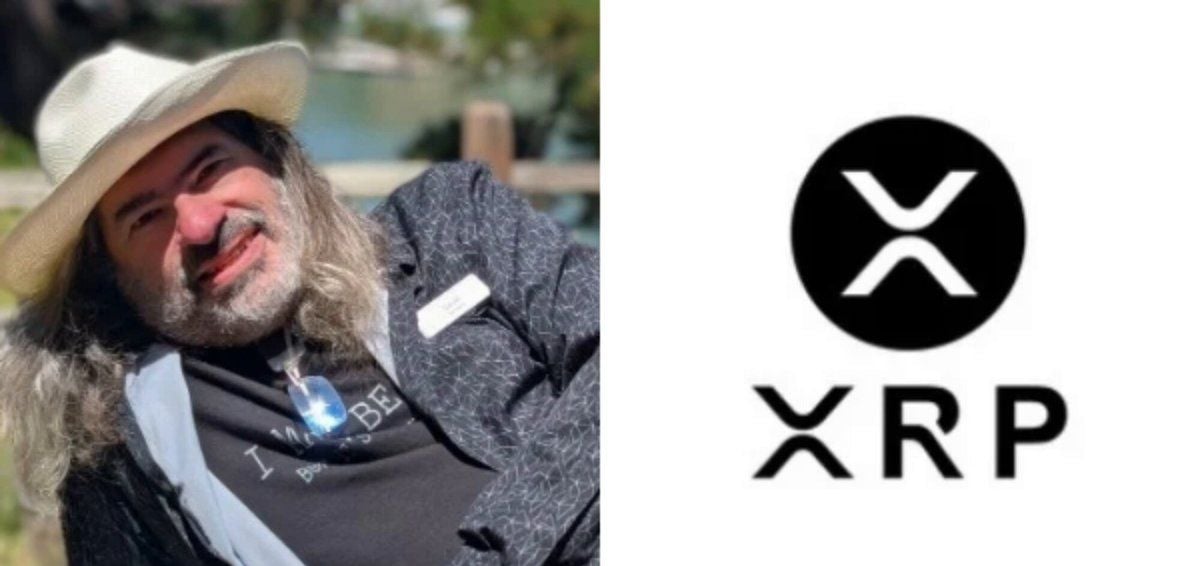
From Bitcoin critic to ledger co-creator David Schwartz (@JoelKatz) is one of three engineers who built the XRP Ledger from the ground up. In early 2011, Schwartz, Jed McCaleb, and Arthur Bri
From Bitcoin critic to ledger co-creator
David Schwartz (@JoelKatz) is one of three engineers who built the XRP Ledger from the ground up. In early 2011, Schwartz, Jed McCaleb, and Arthur Britto were drawn to Bitcoin but troubled by the waste inherent in its mining process. That shared frustration became the seed of something new. Development of the XRP Ledger began that year, sparked by a thread McCaleb started on BitcoinTalk.org titled "Bitcoin without mining."
Schwartz, Britto, and McCaleb designed the XRP Ledger around a Federated Byzantine Agreement-style consensus model, where validators run a Unique Node List and confirm transactions in three to five seconds without mining.By June 2012, the three had finished code development and the ledger was complete.
Shortly after launch, they were joined by Chris Larsen, and the group started a company called NewCoin, quickly renamed OpenCoin and later Ripple. The founders gifted 80 billion $XRP to the company.Schwartz formally joined in December 2011, taking on the role of Chief Cryptographer.
A career shaped by XRP, and what comes next
Schwartz spent more than a decade at the company he helped create. He was promoted to CTO in 2018 and became one of the most recognizable voices in the XRP community, defending the ledger against critics and guiding its evolution through regulatory battles and technical upgrades.
At the end of September 2025, Schwartz announced he would step back from daily responsibilities after more than a decade at Ripple, moving into a board role as CTO emeritus.He cited a desire to focus on family and personal projects related to XRP, while Dennis Jarosch took over technical operations.
The transition has not meant a clean break. Before making the announcement public, Schwartz had already set up his own XRP Ledger node, focusing on publishing its output data and exploring additional $XRP use cases.His posts have continued to emphasize his ongoing role in the XRP community despite stepping back from daily leadership duties.
The ledger itself has always been open source. In 2020, the XRP Ledger Foundation (@XRPLF) was established as an independent non-profit aimed at advancing the development and adoption of the decentralized XRP Ledger.Anyone can use the ledger, submit transactions, host a node, propose changes to the source code, or build applications on top of it.
Sources:CoinDesk: Ripple CTO David Schwartz to Step Back, Joins BoardXRP Ledger Foundation: XRPL HistoryWikipedia: XRP Ledger