Policy6 min read
XRPL Wallets Move Inside Apps With Privy
Key Takeaways Privy lists XRP Ledger among the networks supported by its wallet infrastructure. Apps can connect XRPL wallet creation to their existing login and user-account flow. XRPL suppo
J.P. Morgan has recently brought Nigeria into the limelight for global bond investors by assigning a 7.4% share to Nigerian naira-denominated government bonds in its newly launched GBI-EM Edg
J.P. Morgan has recently brought Nigeria into the limelight for global bond investors by assigning a 7.4% share to Nigerian naira-denominated government bonds in its newly launched GBI-EM Edge index. While that might sound technical and tailored for finance experts, the reality is simpler and more significant.
Imagine a grocery shopping basket containing a variety of items. J.P. Morgan has created a similar basket, made up of government bonds from 26 emerging and frontier-market countries, altogether representing nearly $330 billion in local-currency government debt. Nigeria stands out among these nations, joining the ranks of Egypt, Vietnam, Morocco, Kazakhstan, Bangladesh, Pakistan, and Sri Lanka.
But here’s the crucial point: Nigeria’s 7.4% weight in this index doesn’t mean it receives 7.4% of that $330 billion. Instead, think of it as Nigeria being a part of a larger picture. If our imaginary basket had 100 items in total, Nigeria would represent about 7.4 of those items.
For investment funds that aim to mirror this index, it means they could allocate approximately 7.4% of their portfolios to Nigerian bonds. However, the actual percentage might vary depending on how closely the fund aligns with the index.

This allocation is vital because major investors rely on indexes like this one from J.P. Morgan as crucial benchmarks for their investment strategies. So, Nigeria’s presence in this index not only highlights its significance among emerging markets but also indicates potential opportunities for international investors looking to diversify their portfolios. By putting Nigeria back on the radar, J.P. Morgan could pave the way for increased interest and investment in the Nigerian economy.
A government bond is like an IOU, a promise by the government to pay back money it borrows from investors. When you purchase a Nigerian government bond, you are essentially lending money to the government, which in return commits to paying you interest on your investment and eventually returning your original amount, known as the principal.
To help investors track the performance of various bonds, a bond index is created. Think of it as a tool that groups multiple bonds so that you can see how a section of the bond market is doing overall.
J.P. Morgan is a player in this field, managing several bond indexes already. One of its well-known families, the GBI-EM, focuses on government bonds issued in emerging markets and denominated in local currencies.
Now, J.P. Morgan has introduced a new index called the GBI-EM Edge, which specifically targets frontier markets. These markets can be enticing to investors since they often offer higher yields, essentially, the returns on investment can be greater. However, with the potential for higher rewards also comes higher risks.

According to J.P. Morgan, this new index is set to include around $330 billion worth of local-currency government debt from 26 different countries. To maintain balance and reduce concentration risk, it caps the amount allocated to each individual country at 8%. Intriguingly, the historical data for this index shows an average nominal yield of about 10.4%, making it an attractive option for those willing to navigate the complexities of frontier markets.
This approach promises not only excitement for investors hoping to tap into higher earnings but also a clear signal that it’s essential to tread carefully in the world of bonds.
Why J.P. Morgan kicked Nigeria out in 2015The story of Nigeria’s bond market is both intriguing and complex. In 2015, the nation faced significant challenges, not because its government bonds were worthless, but due to issues in the foreign exchange (FX) market. J.P. Morgan expressed concerns that international investors struggled to move money in and out of Nigeria at a fair and transparent exchange rate.
The Central Bank of Nigeria (CBN) dealt with falling oil prices and strict FX regulations, which made it tough for traders to access and exchange dollars.
As a result, J.P. Morgan put Nigeria on an index watch in January 2015, leading to its removal from the GBI-EM index by October that year. The key issue for foreign investors was the difficulty in converting naira back to dollars, making the prospect of investing in Nigerian bonds too risky.
Fast forward to June 2023, the CBN took steps to revamp the FX market by introducing a willing-buyer, willing-seller system and consolidating various FX windows. This move aimed to create a more unified market where prices reflect supply and demand. Although this transition caused the naira to weaken and inflation to rise, it made the market more understandable and accessible for international investors.
Recent data shows that foreign capital is returning to Nigeria, with $23.22 billion in capital inflows in 2025, a significant jump from $12.32 billion in 2024. This recovery was largely driven by Nigeria’s attractive interest rates.

However, it’s crucial to understand that the 7.4% allocation in the GBI-EM index is not a windfall for Nigeria. It doesn’t mean that J.P. Morgan is directly pouring billions into Nigerian bonds. Instead, it allows investment managers to consider Nigeria when building their portfolios. For example, a $10 billion fund might invest about $740 million based on Nigeria’s index weighting if they choose to follow it closely.
While increased exposure potentially means more demand for Nigerian bonds, which could lead to cheaper borrowing in the long run, investors will still seek stability. Factors like inflation, currency value, FX liquidity, and government financial health will continue to influence their decisions. Nigeria’s improved connections with global investors expand the pool and present opportunities, but it’s not a guarantee of lower borrowing costs.
What does this mean for ordinary Nigerians?Not much is going to change in your wallet tomorrow because of the recent announcement. You won’t wake up to find that the price of bread has dropped just because Nigeria is now 7.4% included in a certain global bond index.
However, in the long run, this could be quite significant. If more foreign investors start buying Nigerian government bonds, the government may have better options for raising money in naira. Increased interest in Nigerian assets could lead to more foreign investment and enhance Nigeria’s links to global financial markets.
But there’s another side to this story. Foreign money can come in just as fast as it can leave. If investors start to worry about the naira, rising inflation, or global interest rates, they might sell off their Nigerian investments and take their money elsewhere. This sudden pull-out can create pressure on the currency and financial markets.
Nigeria’s return to the conversation about global bonds brings both a chance and a challenge. The chance lies in attracting more foreign capital and a diverse group of investors. The challenge is proving that Nigeria can maintain the liquidity (ease of getting cash), transparency, stability, and accessibility that global investors are looking for.
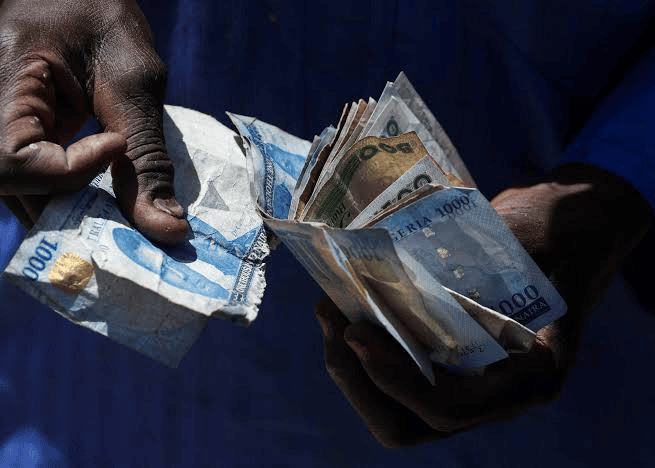
Years ago, J.P. Morgan faced challenges with Nigeria because investors found it difficult to navigate the country’s currency market. Now, in 2026, Nigeria has another opportunity to show that things have improved.
This 7.4% weighting isn’t just a stamp of approval; it’s a call to action. The big question is whether Nigeria can convince these investors to stick around.
Read also: Dangote Refinery unveils IPO prospectus: Here’s all you need to know about the huge ₦2.15tn affair