



Anthropic’s Monumental Compute Deal with Google and Broadcom Signals AI Infrastructure Arms Race
 AI
AI
 G
G
 UTED
UTED
 2024
2024
 SEC
SEC
BitcoinWorld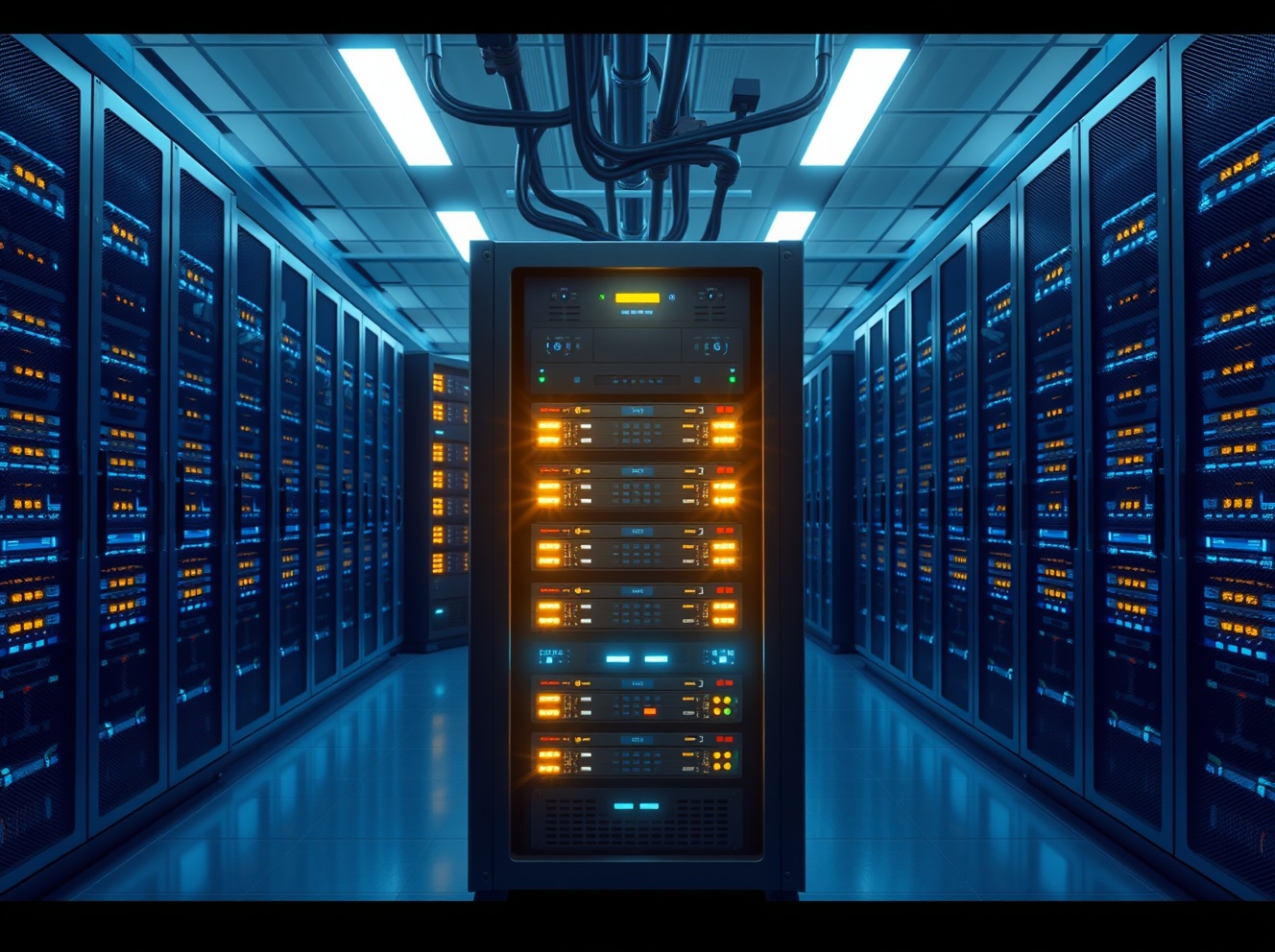
Anthropic’s Monumental Compute Deal with Google and Broadcom Signals AI Infrastructure Arms Race
In a strategic move that underscores the intensifying global race for artificial intelligence supremacy, AI research lab Anthropic has significantly expanded its compute infrastructure agreements with technology giants Google and Broadcom. Announced on Monday, this reworked partnership aims to secure the massive processing power required to fuel Anthropic’s flagship Claude AI models amid unprecedented enterprise demand. The deal represents one of the largest private compute commitments in the AI sector to date, fundamentally reshaping the competitive landscape for large language model development and deployment.
Anthropic’s Compute Expansion with Google and Broadcom
Anthropic’s new agreement substantially increases its access to Google Cloud’s tensor processing units (TPUs), which are specialized chips designed specifically for machine learning workloads. This expansion builds directly upon the foundation laid by an October 2025 agreement for over one gigawatt of compute capacity. According to a recent Broadcom SEC filing, the new arrangement encompasses a staggering 3.5 gigawatts of compute power scheduled to come online in 2027. The company confirmed that most of this infrastructure will be located within the United States, extending Anthropic’s previously announced $50 billion commitment to invest in domestic compute infrastructure.
This infrastructure scaling comes at a critical juncture for the AI industry. Furthermore, compute capacity has emerged as the primary bottleneck for AI innovation and deployment. Consequently, securing reliable, scalable processing power has become a strategic imperative for leading AI labs. Anthropic’s approach demonstrates a disciplined, forward-looking infrastructure strategy designed to support both current customer needs and future model development.
Soaring Demand for Claude AI Models
The compute expansion responds directly to explosive growth in demand for Anthropic’s Claude models. The company recently announced its annual run rate revenue has skyrocketed to $30 billion, a remarkable increase from the $9 billion recorded at the end of 2025. This growth is primarily driven by enterprise adoption, with Anthropic now serving over 1,000 business customers who each spend more than $1 million annually on its AI services. Despite facing challenges, including being labeled a supply chain risk by the U.S. Department of Defense, the company’s commercial momentum appears unstoppable.
Anthropic’s financial position strengthened considerably following a recent $30 billion Series G funding round, which valued the company at approximately $380 billion. This capital infusion provides the resources necessary to commit to long-term infrastructure investments while continuing aggressive research and development. The company’s ability to attract such substantial investment during a period of increased regulatory scrutiny highlights strong investor confidence in its technology and business model.
Strategic Implications for the AI Industry
This partnership carries significant implications for the broader artificial intelligence ecosystem. Firstly, it reinforces the critical importance of vertical integration between AI software developers and hardware providers. Secondly, the scale of the commitment suggests that future frontier AI models will require computational resources far beyond current industry standards. Thirdly, the geographic concentration of this infrastructure in the United States reflects growing concerns about technological sovereignty and supply chain security in an increasingly competitive global landscape.
The collaboration between Anthropic, Google, and Broadcom creates a powerful triad combining cutting-edge AI research, cloud platform expertise, and semiconductor innovation. This model contrasts with approaches taken by competitors who may rely on more fragmented supply chains or different architectural philosophies. The deal also signals Google Cloud’s continued aggressive pursuit of high-value AI workloads, positioning its TPU platform as a viable alternative to other specialized AI chips dominating the market.
Technical and Operational Considerations
From a technical perspective, the expansion focuses specifically on Google’s tensor processing units, which offer distinct architectural advantages for training and running large neural networks. TPUs are application-specific integrated circuits (ASICs) custom-designed by Google for machine learning tasks, offering potentially superior performance and efficiency for certain workloads compared to general-purpose GPUs. The scale of deployment—measured in gigawatts of power consumption—directly correlates with the computational intensity of training next-generation AI models.
Operationally, bringing 3.5 gigawatts of compute capacity online by 2027 presents substantial logistical challenges. This scale requires not only the physical hardware but also corresponding data center construction, power procurement, cooling infrastructure, and network connectivity. Anthropic’s statement emphasizes a “disciplined approach to scaling infrastructure,” suggesting careful planning around phased deployment and capacity management to align with actual product roadmap requirements and customer demand curves.
Market Context and Competitive Landscape
The AI infrastructure market has entered a phase of hyper-competition characterized by massive capital expenditures. Other major AI labs and technology companies have announced similarly ambitious compute investments throughout 2024 and 2025. This infrastructure arms race has several downstream effects, including increased pressure on semiconductor supply chains, rising energy consumption concerns, and potential talent shortages in specialized fields like chip design and data center operations.
For enterprise customers, the expanding compute capacity translates to greater reliability, improved performance, and potentially lower costs for accessing state-of-the-art AI models. However, it also raises questions about market concentration and dependency on a small number of infrastructure providers. Anthropic’s partnership strategy suggests a deliberate effort to secure stable, long-term capacity while maintaining flexibility in its technological approach.
Regulatory and Geopolitical Dimensions
The announcement arrives amid increasing regulatory scrutiny of the AI sector globally. The U.S. government’s designation of Anthropic as a supply chain risk adds complexity to the company’s operations, particularly regarding government contracts and certain sensitive enterprise applications. Nevertheless, the company’s decision to locate the majority of its expanded compute infrastructure within the United States may help address some national security concerns while supporting domestic technology investment.
Geopolitically, the concentration of advanced AI compute capacity within specific jurisdictions has become a matter of strategic importance. Nations worldwide are developing policies to either attract AI infrastructure investment or ensure domestic access to critical computational resources. Anthropic’s infrastructure planning appears to navigate these considerations carefully, balancing operational efficiency with regulatory compliance and geopolitical realities.
Conclusion
Anthropic’s expanded compute deal with Google and Broadcom represents a watershed moment in the artificial intelligence industry’s infrastructure development. The monumental scale of this commitment—3.5 gigawatts of processing power—reflects both the extraordinary demand for advanced AI capabilities and the immense resources required to develop and deploy frontier models. As Anthropic prepares to bring this capacity online by 2027, the industry will watch closely how this infrastructure advantage translates into technological innovation, market expansion, and competitive positioning. This partnership not only secures Anthropic’s computational foundation for years to come but also signals the increasingly capital-intensive nature of the AI race, where infrastructure scalability may prove as decisive as algorithmic breakthroughs.
FAQs
Q1: What is the significance of Anthropic’s new compute deal with Google and Broadcom?
The deal secures 3.5 gigawatts of additional processing capacity for Anthropic’s Claude AI models, representing one of the largest private compute commitments in the AI sector and ensuring the infrastructure needed to meet skyrocketing enterprise demand while continuing advanced model development.
Q2: How does this expansion relate to Anthropic’s previous infrastructure agreements?
This new agreement substantially expands upon an October 2025 deal for over one gigawatt of capacity, increasing the total commitment approximately threefold and extending the partnership framework between Anthropic, Google Cloud, and semiconductor provider Broadcom.
Q3: What are Google TPUs and why are they important for AI development?
Google’s tensor processing units are application-specific integrated circuits custom-designed for machine learning workloads. They offer potential advantages in performance and efficiency for training and running large neural networks compared to general-purpose computing hardware.
Q4: How does Anthropic’s revenue growth relate to its compute expansion?
Anthropic’s annual run rate revenue has surged to $30 billion from $9 billion at the end of 2025, driven by over 1,000 enterprise customers spending more than $1 million annually. This explosive growth creates immediate demand for additional compute capacity to serve existing customers while supporting future innovation.
Q5: What are the broader implications of this deal for the AI industry?
The partnership highlights the intensifying infrastructure arms race in artificial intelligence, underscores the strategic importance of vertical integration between AI software and hardware, and demonstrates the massive capital requirements for competing at the frontier of AI development.
This post Anthropic’s Monumental Compute Deal with Google and Broadcom Signals AI Infrastructure Arms Race first appeared on BitcoinWorld.
