



Bitcoin Reserve Decline Signals Supply Tightening and Potential Market Shift
 BULLISH
 SHIFT
BTC
SHIFT
BTC
 SN44
SN44
 RSRV
RSRV
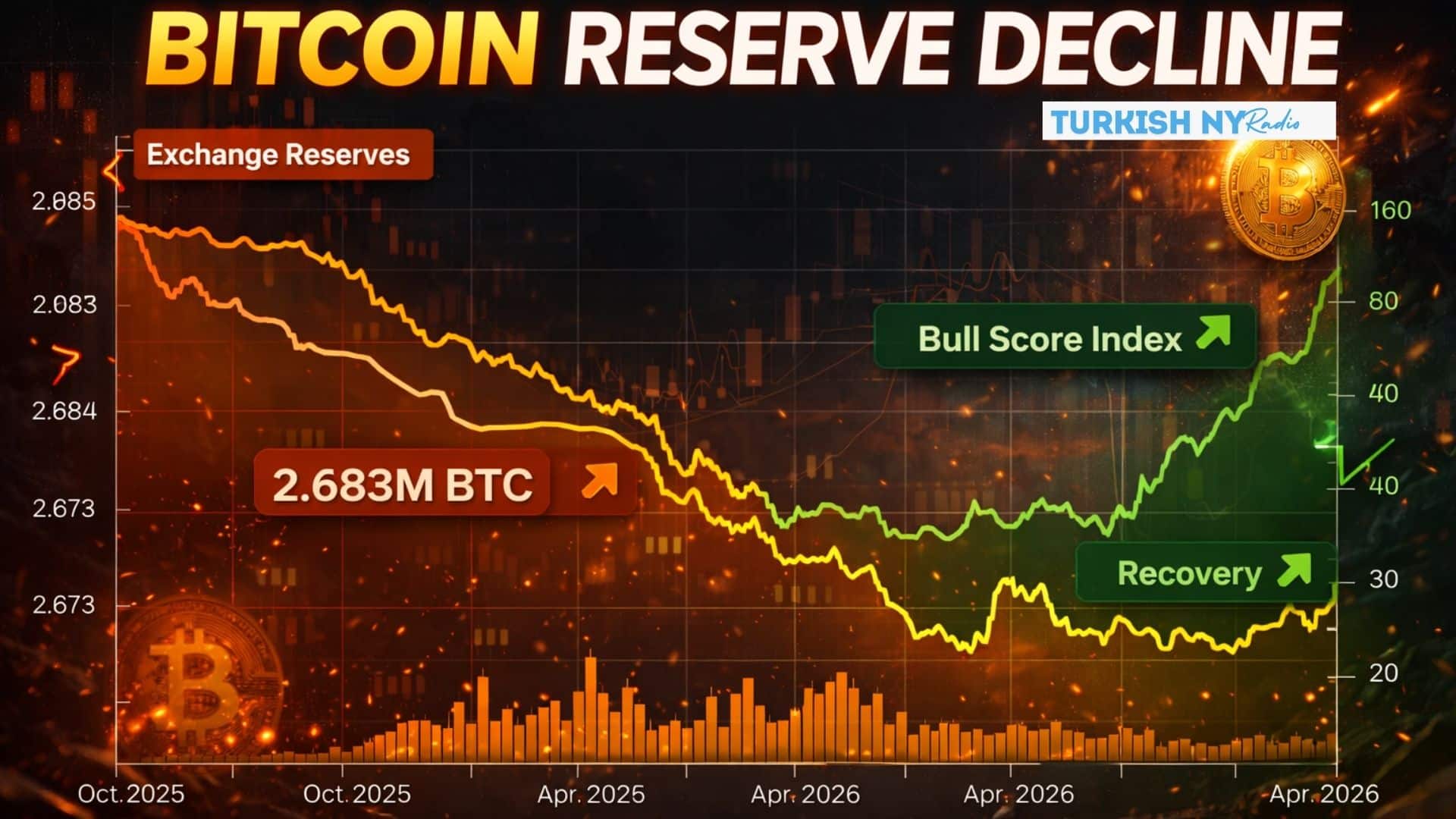
The most recent numbers reveal an ongoing decline in Bitcoin reserve, and traders are taking notice. Although decreasing reserves may look alarming at first, the trend is typically associated with greater long-term market performance. As currency exchange balances decline to around 2.683 million BTC, analysts believe the Bitcoin Resources Recession may signal a hidden positive situation developing under the surface.
What the Bitcoin Reserve Decline Really Means
A consistent Bitcoin Reserves Decline typically indicates that investors are moving their assets off exchanges and into private wallets. This reduces the amount of BTC readily available for selling, tightening supply.
The market watchers say that “when exchange stocks fall, it reflects greater trust among long-term holders.” This ongoing Bitcoin Reserve Decline suggests that accumulation is underway, even if price action remains muted.

Low Retail Activity Limits Momentum
Despite the positive implications of the Bitcoin Reserve Decline, retail participation remains weak. Data shows that smaller traders are largely inactive, with trading volumes at relatively low levels compared to previous rallies.
This creates a mixed market environment. While the Bitcoin Reserves Decline points to reduced sell pressure, the absence of retail demand limits immediate upside potential. Without strong inflows, price movements may remain slow and range-bound in the short term.
Bull Score Index Shows Early Recovery
Another important metric confirming the Bitcoin Reserve Decline thesis is the Bull Score Index, that has risen to about 40. This represents a comeback from past lows, but it falls short of the 60-plus levels associated with robust bull markets.
Authorities point out that the Bitcoin Reserves Decline, paired with increasing sentiment data, frequently precedes significant rallies. Yet, verification needs more purchasing activity and continued momentum.
A Classic Pre-Rally Pattern?
Historically, a prolonged Bitcoin Reserve Decline has often appeared before significant price surges. The pattern usually unfolds in stages: accumulation by long-term holders, supply tightening, and eventually renewed demand from retail investors.
As one analyst explained, “The current Bitcoin Reserve Decline fits the early phase of a potential breakout cycle.” If this trend continues, it could set the stage for a stronger upward move later in 2026.
Conclusion
The ongoing Bitcoin Reserve Decline is shaping up as a quietly bullish signal in an otherwise uncertain market. While weak retail participation and moderate sentiment indicators suggest caution, the reduction in available supply cannot be ignored.
If demand begins to rise alongside this Bitcoin Reserve Decline, the market could transition into a more decisive bullish phase. For now, traders are watching closely, knowing that such conditions have historically preceded major moves.
Summary
The latest Bitcoin Reserve Decline demonstrates a shift in market conditions, with more investors withdrawing BTC from exchanges and storing it for lengthy periods of time. While this pattern alleviates selling pressure and implies accumulation, low retail involvement continues to prevent quick price increases. The increasing Bull Score Index indicates an early rebound, but not a full bull economy. Overall, the Bitcoin Reserve Decline indicates a possible pre-rally period in which supply tightens before higher demand causes a breakthrough.
Glossary of Key Terms
Bitcoin Reserve Decline: A decline in BTC kept on markets, which frequently indicates decreased selling pressure.
Exchange Reserves: The entire number of Bitcoins accessible on trading networks.
Bull Score Index: A statistic for assessing overall investor sentiment and activity.
Retail Investors: Are independent traders, as compared to organizations.
Supply Shock: When supply is decreased, prices rise.
FAQs for Bitcoin Reserve Decline
1. What, if any, does the decline in Bitcoin reserves indicate?
It typically indicates that investors are keeping Bitcoin for the long term, which reduces selling pressure.
2. Is the Bitcoin Reserve Decline Bullish or Bearish?
It is often regarded bullish since it reduces supply on hand.
3. What is the reason is retail involvement so significant?
Retail dealers generate the demand required to drive prices up.
4. What exactly is the Bull Score Index?
It is a mood indicator that determines if the market is bullish or bearish.
5. Does the decline in Bitcoin Reserves lead to a rally?
Yes, formerly, it has frequently preceded big price hikes when demand resumes.
Sources
