





Fed Rate Hike Odds Surge: Wall Street Now Bets on Tightening
 SHIFT
SHIFT
 EQUITY
 POWELL
 RSRV
RSRV
 HIGHER
BitcoinWorld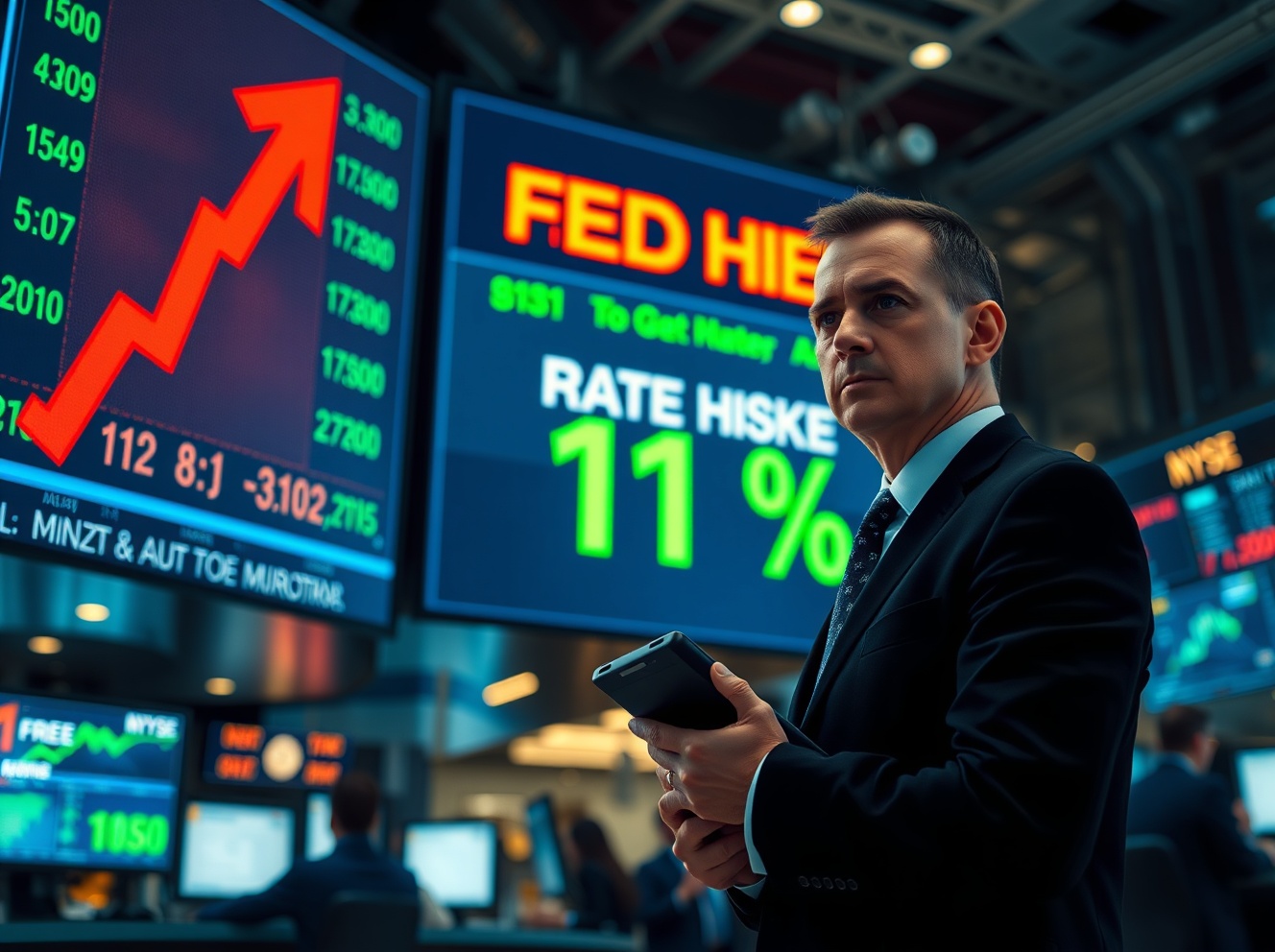
Fed Rate Hike Odds Surge: Wall Street Now Bets on Tightening
New York, NY – Wall Street traders now price in a higher chance of a Federal Reserve rate hike than a rate cut this year. This shift follows hawkish signals from Fed officials. Data from CME interest rate futures shows an 11% probability of a rate hike. This figure jumped from 5% earlier in the day. It stood at 0% on April 29. In contrast, the probability of a rate cut remains near 2%. This marks a significant reversal in market expectations.
Fed Rate Hike Probability Climbs in CME Futures
The CME FedWatch Tool tracks market expectations for Fed policy. It uses prices from 30-day Fed Funds futures contracts. These contracts reflect investor bets on the federal funds rate. The recent data shows a clear trend. Traders now see a higher likelihood of tightening. This shift began after several Fed officials made public statements. They emphasized the need to keep rates higher for longer. Some even suggested that further rate increases might be necessary. This hawkish stance caught many investors off guard. Earlier this year, the market expected multiple rate cuts. Now, the narrative has flipped completely.
Hawkish Fed Signals Drive Market Reassessment
Several factors contributed to this change. Fed Chair Jerome Powell recently stated that inflation remains too high. He noted that the central bank needs more evidence of cooling prices. Other Fed governors echoed this sentiment. They pointed to persistent inflationary pressures. These include strong consumer spending and a tight labor market. The Fed’s preferred inflation measure, the core PCE price index, remains above the 2% target. This data gives the Fed little room to cut rates. Instead, it raises the risk of another hike. The market now adjusts its expectations accordingly.
Timeline of the Shift
The change happened quickly. On April 29, the probability of a rate hike was zero. By early May, it rose to 5%. Within days, it reached 11%. This rapid movement shows how sensitive markets are to Fed communication. Traders now watch every speech and press conference. They parse each word for hints about future policy. The Fed’s messaging has become more unified. Officials now consistently stress the need for caution. This has reduced speculation about imminent rate cuts.
Impact on Financial Markets
The shift in rate expectations affects multiple asset classes. Bond yields have risen. The 10-year Treasury yield climbed above 4.5%. Stock markets experienced volatility. The S&P 500 dropped on days with hawkish Fed comments. The US dollar strengthened against major currencies. A higher Fed rate makes dollar-denominated assets more attractive. This impacts global trade and emerging markets. Investors now rebalance their portfolios. They move away from rate-sensitive sectors. Utilities and real estate face selling pressure. Financial stocks, conversely, benefit from higher rates. Banks can charge more for loans.
Key Market Reactions
- Bond Yields: The 2-year yield rose to 5.0%, reflecting higher short-term rate expectations.
- Stock Volatility: The VIX index, a measure of market fear, increased by 15% in the past week.
- Currency Strength: The DXY dollar index hit a five-month high.
- Commodity Prices: Gold prices fell as the dollar strengthened. Oil prices remained stable.
Historical Context of Fed Rate Hike Expectations
This situation is unusual. Historically, the Fed cuts rates when inflation falls. It hikes rates when inflation rises. The current cycle has been different. The Fed raised rates aggressively in 2022 and 2023. It paused in 2024. Now, the market sees a potential resumption of hikes. This would be rare so late in the economic cycle. The last time the Fed hiked rates after a pause was in 2004-2006. During that period, the Fed raised rates 17 times. The current environment shares some similarities. Inflation remains sticky. The labor market is tight. However, economic growth is slower now. This creates a complex policy challenge.
Expert Analysis and Market Commentary
Economists offer mixed views. Some believe the market overreacts. They argue that the Fed will hold rates steady. They point to softening economic data. Retail sales and manufacturing output show signs of slowing. Others see the hike risk as real. They note that the Fed’s primary mandate is price stability. If inflation does not fall, the Fed must act. The 11% probability reflects this uncertainty. It is not a prediction. It is a market-based estimate. Traders use options and futures to hedge against this risk. This creates a self-reinforcing cycle. As more traders hedge, the probability moves higher.
Comparison: Rate Hike vs. Rate Cut Probability
| Date | Rate Hike Probability | Rate Cut Probability |
|---|---|---|
| April 29 | 0% | 15% |
| May 1 | 5% | 8% |
| May 3 | 11% | 2% |
This table shows the dramatic reversal. The probability of a cut fell from 15% to 2%. The probability of a hike rose from 0% to 11%. The market now prices in a higher chance of tightening. This is a major shift in sentiment.
What This Means for Borrowers and Investors
Consumers and businesses face higher borrowing costs. Mortgage rates remain elevated. Credit card rates are at record highs. Business loan costs have increased. This slows economic activity. It also reduces corporate profits. Investors should prepare for continued volatility. Diversification becomes crucial. Fixed-income investors face duration risk. Long-term bonds lose value when rates rise. Short-term bonds offer less risk. Equity investors should focus on companies with strong balance sheets. These firms can withstand higher rates. Growth stocks, especially in tech, are more sensitive. They rely on future cash flows. Higher discount rates reduce their present value.
Strategic Recommendations
- Consider floating-rate bonds to benefit from rising rates.
- Reduce exposure to long-duration assets.
- Increase cash holdings for flexibility.
- Monitor Fed speeches and economic data releases.
Conclusion
The shift in Fed rate hike probability marks a critical moment for financial markets. Wall Street now sees a higher chance of tightening than easing. This change reflects hawkish Fed signals and persistent inflation. Investors must adjust their strategies. The 11% probability, while low, is significant. It shows that the market no longer expects rate cuts. Instead, it prepares for the possibility of higher rates. This new reality will shape market behavior for the rest of the year. The Fed rate hike narrative dominates the conversation. Traders and investors must stay informed and agile.
FAQs
Q1: What does the 11% Fed rate hike probability mean?
A1: It means that based on CME futures pricing, the market assigns an 11% chance that the Federal Reserve will raise interest rates at its next meeting or within the current year. This is a probabilistic estimate, not a guarantee.
Q2: Why did the Fed rate hike probability increase so quickly?
A2: The probability rose after several Fed officials made hawkish statements. They emphasized that inflation remains too high and that further rate increases may be necessary. This surprised markets that expected rate cuts.
Q3: How does a Fed rate hike affect stock prices?
A3: Higher rates increase borrowing costs for companies, reduce corporate profits, and make stocks less attractive compared to bonds. Growth stocks and tech shares are particularly sensitive to rate hikes.
Q4: What is the CME FedWatch Tool?
A4: It is a tool that calculates the probability of Fed rate changes using prices from 30-day Fed Funds futures contracts. It provides a market-based estimate of future monetary policy.
Q5: Should I change my investment strategy due to this rate hike risk?
A5: Investors should review their portfolio for interest rate sensitivity. Consider reducing exposure to long-duration bonds and growth stocks. Focus on companies with strong cash flows and low debt. Diversification remains key.
This post Fed Rate Hike Odds Surge: Wall Street Now Bets on Tightening first appeared on BitcoinWorld.
