



Goldman Sachs Files Bitcoin Premium Income ETF Using Covered Call Strategy
 SHIFT
SHIFT
 ETF
BTC
ETF
BTC
 ETF
ETF
 FORM
FORM
Goldman Sachs has filed for a new Bitcoin-linked exchange-traded fund built around income generation. The proposed product uses covered calls rather than direct spot exposure, showing how Goldman Sachs is now reshaping Bitcoin for investors who want yield and lower volatility shock.
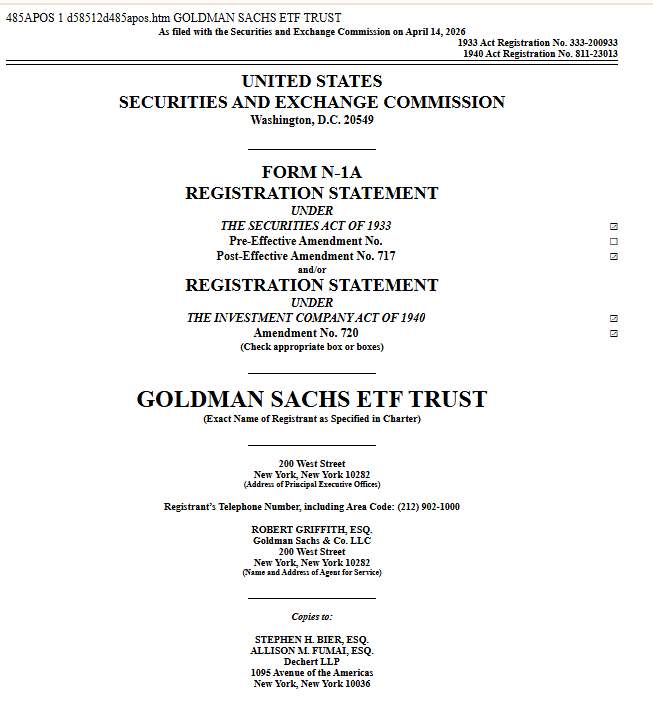
The April 14 filing introduced the Goldman Sachs Bitcoin Premium Income ETF. The fund is actively managed and designed to generate monthly income from Bitcoin-related exposure through an options strategy.
The filing shows how the Bitcoin ETF market is changing. The first stage focused on access. It gave investors a regulated way to buy Bitcoin through brokerage accounts.
Now the market is moving into a second stage. Firms are no longer just offering access. They are repackaging Bitcoin for different investor needs, including income, lower volatility, and more familiar portfolio structures.
Goldman Sachs Chooses Yield Over Pure Bitcoin Exposure
The proposed fund does not try to compete directly with plain spot Bitcoin ETFs. Instead, Goldman Sachs is targeting a different part of the market. The bank wants to offer a Bitcoin linked strategy for investors who care more about income than full upside participation.
That makes the product distinct in a crowded ETF space. Spot Bitcoin funds are already well established. This new structure gives advisers another way to introduce Bitcoin exposure into traditional portfolios.
The strategy also reflects a wider change in how asset managers are approaching digital assets. The goal is no longer only to provide access. It is also to redesign exposure in a way that fits conventional investor behavior.
Covered Calls Form the Core of the Strategy
The fund’s income model depends on covered calls. In this approach, the fund sells call options and collects premiums from buyers. Those premiums become the main source of income.
The trade-off is simple. If Bitcoin rises sharply above the option strike price, gains are capped. The fund would lag behind direct spot Bitcoin exposure in a strong rally.
If Bitcoin falls, the premium offers only limited support. Losses can still be significant. That means the strategy softens some volatility, but it does not remove downside risk.
The Fund Accepts Limits on Upside
Goldman Sachs expects the fund’s overwrite level to range from 40% to 100% of its Bitcoin exposure under normal market conditions. That means much of the position may be tied to options that reduce upside participation.
This matters because Bitcoin often attracts buyers during fast bull runs. In those periods, a covered-call structure can underperform sharply compared with direct holdings. Investors seeking maximum price appreciation may see the product as too restrictive.
Still, the fund is not built for aggressive upside seekers. It is designed for buyers who value income and moderation over full participation in Bitcoin’s price swings.
Monthly Payouts Come With Added Complexity
The fund plans to make monthly distributions from net investment income and option premiums. That feature could make it appealing to income-focused investors who prefer regular cash flow.
However, the tax side is more complicated. The filing notes that the options strategy is expected to generate more short-term capital gains and ordinary income than a passive fund. That can reduce the appeal of the yield in taxable accounts.
A large part of the distributions may also be treated as return of capital. That makes after-tax results harder to judge. Investors may need to look beyond the headline payout before deciding whether the Bitcoin ETF fits their needs.
Bitcoin ETF Competition Has Entered a New Phase
The move by Goldman Sachs reflects a broader shift across the ETF market. The first wave of Bitcoin funds focused on legal access and operational simplicity. That phase helped bring spot Bitcoin into mainstream finance.
Now the competition is changing. Asset managers are building different wrappers around the same asset. Some want lower fees. Others want income. Some want defined outcomes or reduced volatility.
That shift shows that Bitcoin ETFs are becoming more segmented. Managers are trying to match products to specific investor types rather than offering one broad solution for everyone.
Other Firms Already Target Similar Segments
Goldman Sachs is not alone in this area. BlackRock is refining the structure of its iShares Bitcoin Premium Income ETF, known as BITA. That product is expected to benefit from the scale and liquidity of IBIT, BlackRock’s large spot Bitcoin fund.
Morgan Stanley has taken another route. It recently launched its MSBT spot fund with a low 0.14% fee. That places the focus on low-cost access rather than yield generation.
Other managers also operate in the Bitcoin income segment. Products such as the NEOS Bitcoin High Income ETF and the Roundhill Bitcoin Covered Call Strategy ETF have already shown that structured income demand exists.
Goldman Sachs Targets Traditional Investor Psychology
The product appears built for a familiar audience. Many advisers want some digital asset exposure, but not the full shock that comes with raw Bitcoin volatility. That has created demand for products that feel more traditional.
By using a covered-call structure, Goldman Sachs is turning Bitcoin into something closer to an income fund. That makes it easier to discuss in conservative portfolio settings. It also gives cautious investors a format they may better understand.
This logic helps explain why Wall Street sees room for such products. The fund is less about crypto culture and more about packaging a volatile asset in a way that fits long-standing advisory models.
The Filing Shows a Shift in Goldman’s Crypto Position
The filing also marks a notable change in the bank’s public stance. In 2020, Goldman’s wealth management division said cryptocurrencies were not a legitimate asset class and pointed to their speculative nature.
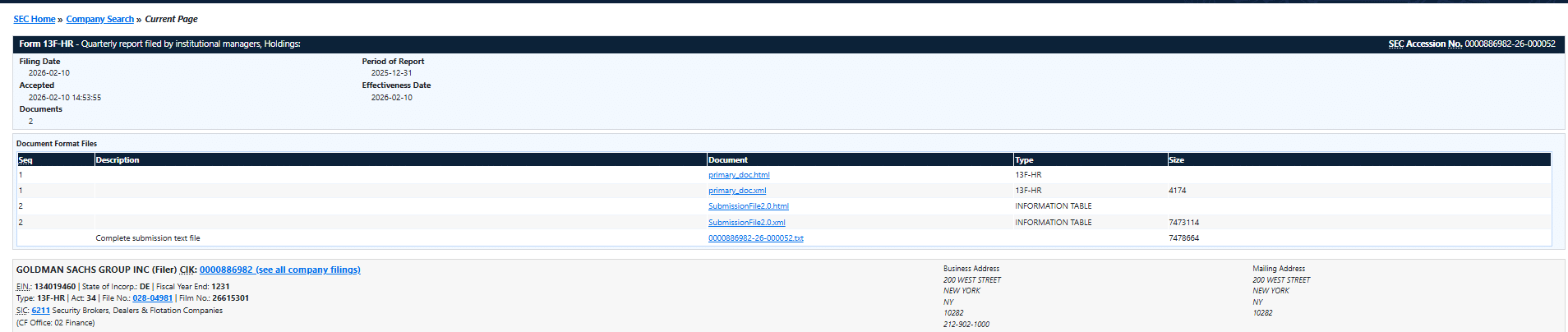
That position has clearly softened. By the end of 2025, the bank reportedly held more than $1 billion in Bitcoin for clients. The new ETF filing goes further by putting the Goldman Sachs name on a structured Bitcoin investment product.
That shift matters. It suggests that Bitcoin is no longer being treated only as a speculative edge case. It is now being reshaped into products that fit the language and structure of traditional finance.
Conclusion
The new Bitcoin Premium Income ETF shows how the market is moving beyond simple spot access. Goldman Sachs is trying to offer a Bitcoin ETF that fits income-focused and risk-aware portfolios.
The filing also points to a bigger industry trend. The next battle in digital assets may not be over who offers the cheapest Bitcoin exposure. It may be over who can package that exposure in the most useful form for traditional investors.
Appendix Glossary of Key Terms
ETF: An exchange-traded fund that lets investors access an asset through stock markets.
Covered Call: An options strategy where calls are sold to generate income from premiums.
Yield: The income a fund aims to produce for investors through its strategy.
Spot Exposure: Direct exposure to Bitcoin’s market price without added income overlays.
Options Premium: The payment collected by the fund when it sells call options.
Upside Cap: A limit on potential gains when Bitcoin rises above the option strike level.
Monthly Distribution: Regular cash payouts made from option income and other fund earnings.
Structured Product: An investment designed with specific features such as income, risk control, or capped upside.
Frequently Asked Questions About Goldman Sachs
1- What is the Goldman Sachs Bitcoin Premium Income ETF?
It is a proposed actively managed ETF that uses covered calls to generate income from Bitcoin-linked exposure.
2- How does the fund generate yield?
The fund sells call options and collects premiums. Those premiums support monthly distributions.
3- What is the main downside of the strategy?
The fund gives up part of Bitcoin’s upside during strong rallies while still remaining exposed to losses if prices fall.
4- Why is this filing important?
It shows Goldman Sachs is moving deeper into structured crypto products built for traditional investor demand.
Reference
