



Iran Blockade: Trump Vows to Maintain Pressure, Rejects Hormuz Offer Amid Rising Tensions
 DJT
DJT
 TRUMP
TRUMP
 DON
DON
 TRUMP2024
 47
47
BitcoinWorld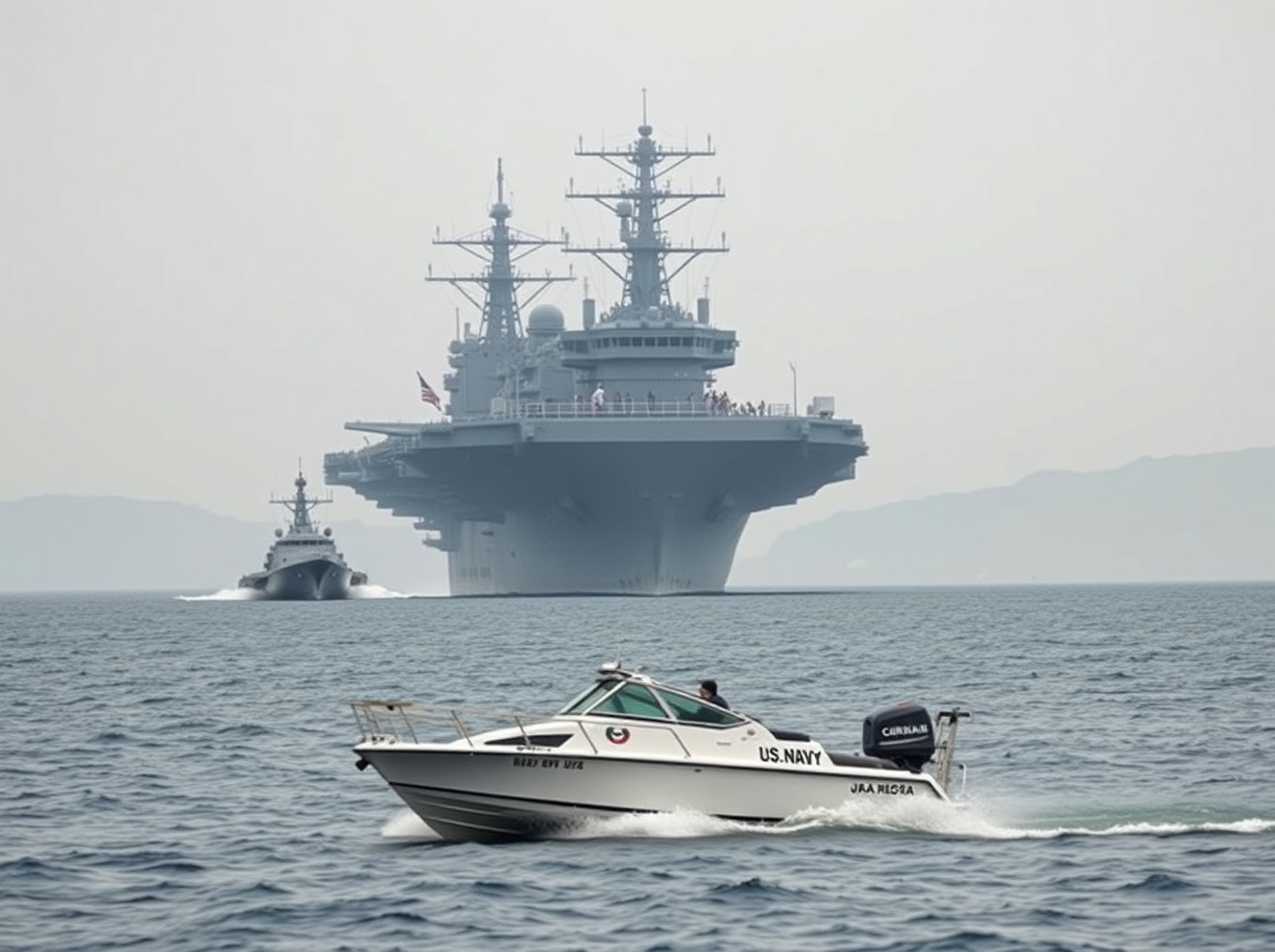
Iran Blockade: Trump Vows to Maintain Pressure, Rejects Hormuz Offer Amid Rising Tensions
US President Donald Trump has vowed to maintain the Iran blockade, firmly rejecting a recent offer from Tehran to secure the Strait of Hormuz. This decision intensifies geopolitical tensions in a region responsible for nearly one-fifth of global oil transit. The Iran blockade strategy, a cornerstone of the Trump administration’s maximum pressure campaign, now faces a critical test as oil markets react with volatility. Traders and analysts closely watch the situation, as any disruption to the Strait of Hormuz could send crude prices soaring. This article provides a detailed, experience-driven analysis of the blockade, the rejected Hormuz offer, and its implications for global energy security.
Understanding the Iran Blockade and the Hormuz Offer
The Iran blockade, enforced by the US Navy and allied forces, aims to restrict Iranian oil exports. The goal is to cripple Tehran’s revenue streams and force concessions on its nuclear program. Recently, Iran proposed a deal to guarantee safe passage through the Strait of Hormuz. In exchange, Tehran sought relief from sanctions and a lifting of the naval blockade. However, President Trump rejected this Hormuz offer outright, signaling no compromise. This rejection stems from a core belief that any relaxation of pressure would embolden Iran. The administration argues that only sustained economic isolation can bring lasting change.
To understand the stakes, consider these key facts about the Strait of Hormuz:
- Strategic chokepoint: Connects the Persian Gulf to the Gulf of Oman and the open ocean.
- Oil transit volume: Approximately 21 million barrels of oil pass through daily, about 20% of global consumption.
- LNG shipments: Also handles over 20% of the world’s liquefied natural gas trade.
- Width: The strait is only 33 kilometers (21 miles) wide at its narrowest point.
- Iranian threat: Iran has repeatedly threatened to close the strait if its exports are blocked.
The Trump administration’s refusal to negotiate on the Hormuz offer reflects a broader strategy. It prioritizes regime change over diplomatic engagement. Critics argue this approach risks a military confrontation. Supporters counter that only maximum pressure works against a regime they view as untrustworthy.
Impact on Oil Markets and Global Trade
The Iran blockade and the rejection of the Hormuz offer have immediate consequences for oil markets. Crude oil prices have already risen by 3% since the announcement. Analysts at Goldman Sachs predict a further 10% increase if tensions escalate. The Strait of Hormuz is a critical artery for oil from Saudi Arabia, Iraq, Kuwait, and the UAE. Any disruption would ripple through supply chains worldwide. For example, Asian economies like Japan, India, and South Korea depend heavily on this route for their energy imports.
Consider the following data on oil flows through the Strait of Hormuz:
| Country | Barrels per Day (Millions) | % of Total Strait Flow |
|---|---|---|
| Saudi Arabia | 6.5 | 31% |
| Iraq | 3.8 | 18% |
| Kuwait | 2.5 | 12% |
| UAE | 2.2 | 10% |
| Iran | 0.5 | 2% |
| Other (Qatar, Bahrain) | 5.5 | 27% |
The rejection of the Hormuz offer also impacts global trade insurance premiums. Shipping companies now pay higher war risk fees for vessels entering the region. This cost passes to consumers through higher energy prices. Furthermore, the US dollar strengthens as investors seek safe-haven assets. This creates a complex feedback loop that affects emerging market economies.
Expert Analysis: Why Trump Rejected the Offer
Political analysts point to several reasons for Trump’s decision. First, the administration believes Iran only negotiates under duress. Accepting the Hormuz offer would relieve that pressure. Second, the US aims to maintain leverage ahead of potential nuclear talks. Third, domestic political considerations play a role. Trump’s base supports a tough stance on Iran. Any perceived weakness could hurt his approval ratings. Finally, the administration views the blockade as a tool to force Iran to abandon its regional proxies in Yemen, Syria, and Lebanon. The Hormuz offer, from this perspective, is a tactical ploy to divide the US coalition.
Former US diplomat Dr. James R. Collins notes: “The rejection of the Hormuz offer is consistent with the administration’s zero-sum approach. They see any compromise as a loss. However, this rigidity carries risks. A single miscalculation could lead to a naval clash in the strait.”
Geopolitical Fallout: Regional Reactions
The Iran blockade and Trump’s rejection of the Hormuz offer have drawn mixed reactions across the Middle East. Saudi Arabia and the UAE support the US stance. They view Iran’s influence as a direct threat to their security. Conversely, Iraq and Qatar urge restraint. Both nations maintain close ties with Iran and fear economic disruption. Turkey, a NATO member, criticizes the blockade as counterproductive. President Erdogan calls for dialogue instead of confrontation.
Iran’s response has been defiant. The Iranian Revolutionary Guard Corps (IRGC) conducts military exercises near the strait. They deploy fast-attack boats and test anti-ship missiles. Tehran also threatens to resume uranium enrichment at higher levels. This escalates the nuclear crisis that the original 2015 deal aimed to resolve. The Hormuz offer, now rejected, represented a rare diplomatic opening. Its failure pushes both sides closer to the brink.
Timeline of Key Events
- May 2018: Trump withdraws from the JCPOA (Iran nuclear deal).
- November 2018: US reimposes sanctions on Iranian oil exports.
- June 2019: Iran shoots down a US drone near the strait.
- September 2019: Drone attacks on Saudi oil facilities, blamed on Iran.
- January 2020: US kills Iranian General Qasem Soleimani.
- 2023-2024: Backchannel talks fail to revive the nuclear deal.
- 2025: Iran makes Hormuz offer; Trump rejects it.
This timeline shows a pattern of escalation. Each event reduces the space for diplomacy. The Iran blockade now enters a more dangerous phase.
Economic Consequences for the US and Allies
The Iran blockade and the rejection of the Hormuz offer also affect the US economy. Higher oil prices increase inflation, which hurts consumers at the pump. The US Energy Information Administration (EIA) estimates that a 10% oil price hike reduces GDP growth by 0.2%. For allies like Japan and South Korea, the impact is even more severe. These nations lack domestic oil reserves and rely almost entirely on imports through the strait.
Furthermore, the blockade strains US naval resources. The US Navy must maintain a constant presence in the region. This diverts ships from other priorities, such as the Indo-Pacific. The cost of this deployment runs into billions of dollars annually. Critics argue that the Hormuz offer could have reduced these costs. The administration counters that the price of inaction is higher.
Data from the International Monetary Fund (IMF) shows that oil-importing developing countries face the greatest risk. Countries like Pakistan, Bangladesh, and Sri Lanka could see their trade deficits widen. This could trigger currency crises and social unrest. The Iran blockade, therefore, has humanitarian implications beyond the Middle East.
Conclusion
The Iran blockade remains a central pillar of US foreign policy under President Trump. His rejection of the Hormuz offer signals a commitment to maximum pressure, even at the risk of conflict. This decision reshapes oil markets, threatens global trade, and deepens geopolitical divisions. The Strait of Hormuz, a narrow waterway, now stands as a flashpoint for potential confrontation. For traders, policymakers, and citizens, understanding the Iran blockade and its implications is essential. The situation demands careful monitoring as events unfold.
FAQs
Q1: What is the Iran blockade?
A: The Iran blockade is a US-led naval and economic effort to restrict Iranian oil exports. It aims to pressure Tehran into changing its nuclear and regional policies.
Q2: What was the Hormuz offer?
A: Iran proposed a deal to guarantee safe passage through the Strait of Hormuz. In return, Tehran sought sanctions relief and an end to the naval blockade.
Q3: Why did Trump reject the Hormuz offer?
A: The administration believes that any compromise weakens pressure on Iran. They view the offer as a tactical move, not a genuine concession.
Q4: How does the Iran blockade affect oil prices?
A: The blockade and rejection of the offer increase supply uncertainty. This pushes crude oil prices higher, impacting consumers and economies worldwide.
Q5: Could the blockade lead to a military conflict?
A: Yes. The risk of a naval clash in the Strait of Hormuz has risen. Both sides have conducted military exercises, and any miscalculation could trigger a confrontation.
This post Iran Blockade: Trump Vows to Maintain Pressure, Rejects Hormuz Offer Amid Rising Tensions first appeared on BitcoinWorld.
