



Iran US Conflict Escalates: Drone Strike on Warship Follows American Attack
 INSURANCE
 GEN
GEN
 STRK
STRK
 STND
STND
 SECURITY
BitcoinWorld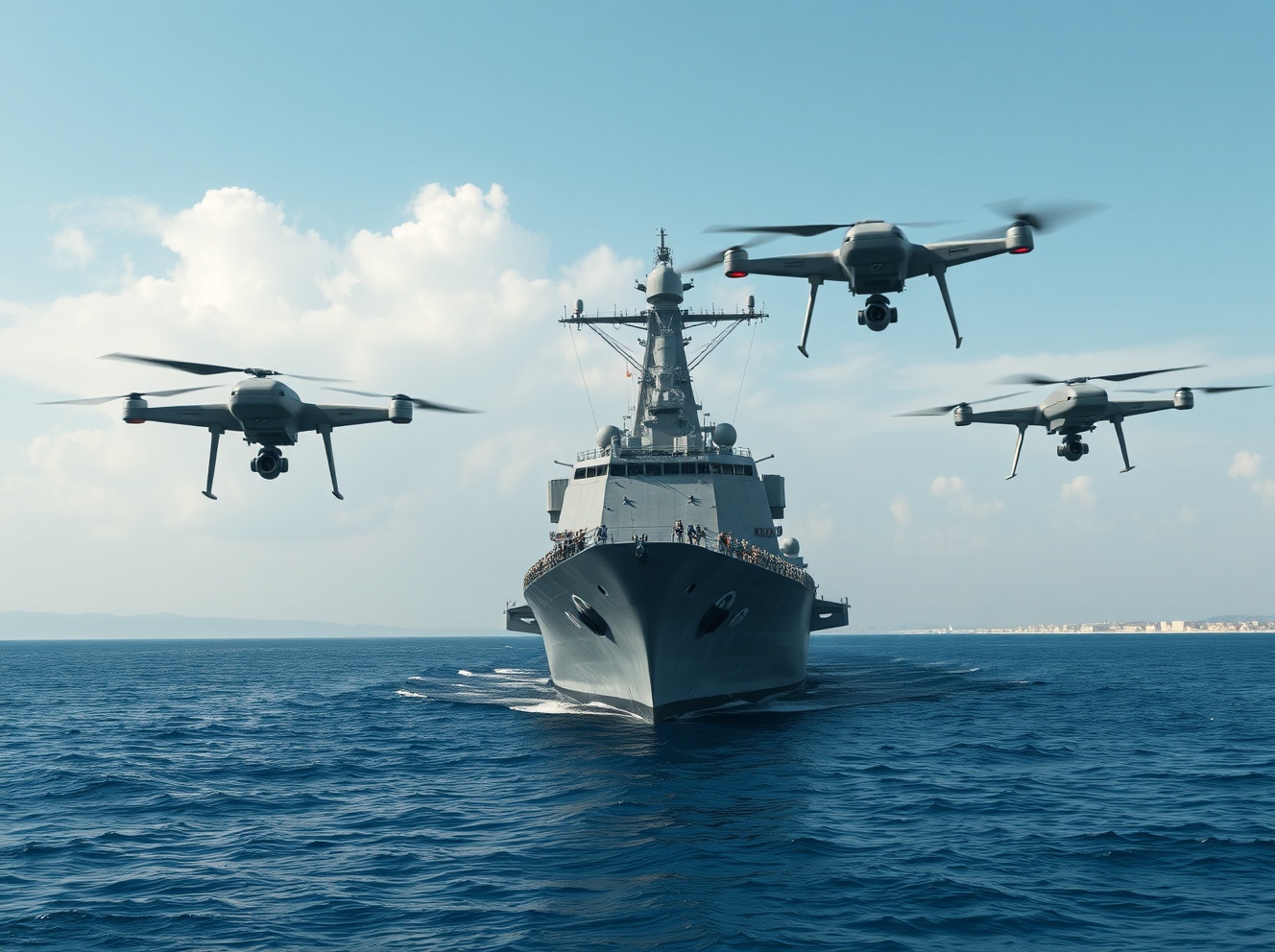
Iran US Conflict Escalates: Drone Strike on Warship Follows American Attack
TEHRAN, Iran – March 15, 2025 – Iran’s Supreme Joint Military Command announced a significant escalation in Persian Gulf tensions today, claiming its forces successfully struck a U.S. warship with drones. This retaliatory action followed an American attack on an Iranian vessel earlier this week, marking one of the most direct confrontations between the two nations in recent years. The incident immediately raised global concerns about regional stability and the potential for broader conflict.
Iran US Conflict Reaches Dangerous New Phase
The Iranian military statement specifically cited what it called “defensive measures” against American aggression. According to official communications from Tehran, Iranian drone units targeted a U.S. Navy vessel in international waters near the strategic Strait of Hormuz. Military analysts immediately noted this represents a substantial escalation in tactics, as Iran has previously used drones primarily for surveillance and asymmetric warfare rather than direct attacks on major naval assets.
Furthermore, the United States Central Command has not yet confirmed the Iranian claims at the time of reporting. However, regional defense monitoring networks detected unusual military activity throughout the Persian Gulf region. Satellite imagery analyzed by independent security firms shows increased naval movements from both Iranian Revolutionary Guard Corps vessels and U.S. Navy ships over the past 48 hours.
Background of Escalating Naval Tensions
This latest incident follows years of simmering tensions in the region’s vital waterways. The Persian Gulf and Strait of Hormuz serve as critical transit routes for approximately 20% of the world’s oil supply. Consequently, both nations maintain substantial naval presences in the area, creating frequent opportunities for confrontation. Historical context reveals several similar incidents since 2019, though most involved less direct engagement.
Key recent developments include:
- 2023: Iran seized multiple commercial tankers
- 2024: U.S. increased naval patrols following Houthi attacks
- Early 2025: Joint military exercises by Gulf Cooperation Council members
The timeline shows a clear pattern of increasing frequency in naval incidents. Regional security experts have repeatedly warned about the potential for miscalculation leading to broader conflict.
Military Capabilities and Drone Warfare Evolution
Iran has significantly developed its unmanned aerial systems over the past decade. The country now fields one of the Middle East’s most extensive drone arsenals. These systems range from small surveillance models to larger combat drones capable of carrying precision munitions. Iranian military strategists have particularly emphasized asymmetric capabilities that could challenge technologically superior adversaries like the United States.
Meanwhile, U.S. Navy warships employ sophisticated defense systems including:
- Close-in weapon systems (CIWS)
- Electronic warfare countermeasures
- Standard and Evolved Sea Sparrow missiles
The effectiveness of Iranian drones against these layered defenses remains a critical question for military analysts. Previous incidents suggest swarm tactics could potentially overwhelm defensive systems through coordinated attacks.
Regional and Global Implications
This escalation immediately affected global energy markets, with Brent crude futures rising 3.2% following the announcement. The Strait of Hormuz represents the world’s most important oil transit chokepoint, with an average of 21 million barrels passing through daily. Any sustained disruption could significantly impact global energy supplies and prices.
Regional powers have responded cautiously. Saudi Arabia and the United Arab Emirates, while U.S. allies, have maintained communication channels with Iran. These nations face difficult balancing acts between security partnerships and economic interests. European nations with vested interests in regional stability have called for immediate de-escalation through diplomatic channels.
The following table summarizes key regional reactions:
| Country | Initial Response | Strategic Position |
|---|---|---|
| Saudi Arabia | Calls for restraint | Energy exporter seeking stability |
| United Arab Emirates | Diplomatic engagement urged | Trade hub with multiple interests |
| Israel | Monitoring closely | Historical adversary of Iran |
| Qatar | Offers mediation | Maintains relations with all parties |
Legal and Diplomatic Dimensions
International maritime law provides specific frameworks for naval engagements in international waters. The United Nations Convention on the Law of the Sea (UNCLOS) establishes rules governing military activities in exclusive economic zones and transit passages. Legal experts note that both nations have previously invoked different interpretations of these provisions to justify their actions.
Diplomatic channels remain active despite the military confrontation. Swiss officials, who represent U.S. interests in Iran, have reportedly engaged with Iranian authorities. Similarly, Oman has historically served as a mediator between Tehran and Western nations. The coming days will likely see intensive behind-the-scenes diplomacy aimed at preventing further escalation.
Historical Context of US-Iran Naval Confrontations
Naval tensions between the United States and Iran have deep historical roots. The 1988 “Operation Praying Mantis” saw the U.S. Navy destroy several Iranian naval assets following mine attacks. More recently, the 2019 downing of a U.S. surveillance drone brought the two nations to the brink of direct conflict. Each incident has contributed to established patterns of action and response that inform current military postures.
Security analysts identify several consistent factors in these confrontations:
- Disputed interpretations of maritime boundaries
- Competing security interests in vital waterways
- Domestic political considerations in both nations
- Broader regional proxy conflicts
Understanding this historical context helps explain why seemingly isolated incidents can quickly escalate into major confrontations.
Conclusion
The Iranian claim of a drone strike on a U.S. warship represents a significant escalation in the ongoing Iran US conflict. This development follows an American attack on an Iranian vessel and occurs against a backdrop of longstanding regional tensions. The situation demands careful monitoring as military, diplomatic, and economic factors interact in one of the world’s most strategically vital regions. The coming days will reveal whether this incident leads to further escalation or becomes another managed crisis in the complex U.S.-Iran relationship.
FAQs
Q1: What specific type of drone did Iran use in the alleged attack?
Iranian military statements did not specify the drone model, but analysts suggest possible candidates include the Shahed-136 loitering munition or the newer Ababil-5 combat drone. Both systems have ranges exceeding 1,000 kilometers and can carry precision-guided munitions.
Q2: How has the United States typically responded to previous Iranian naval provocations?
The U.S. has employed a range of responses including defensive measures, diplomatic protests, economic sanctions, and in some cases proportional military responses. Each situation receives individual assessment based on circumstances and strategic considerations.
Q3: What immediate economic impacts have resulted from this incident?
Global oil prices increased approximately 3.2% following the announcement. Shipping insurance premiums for vessels transiting the Persian Gulf have also risen, and some shipping companies are considering alternative routes despite increased costs and transit times.
Q4: How do other regional powers view this escalation?
Gulf Cooperation Council members have expressed concern while calling for restraint. These nations generally prefer stability but maintain complex relationships with both Iran and the United States, making unified responses challenging.
Q5: What are the most likely next steps in this situation?
Military analysts anticipate increased naval patrols by both sides, intensified diplomatic communications through intermediaries, and possible emergency United Nations Security Council consultations. The situation remains fluid with multiple potential development paths.
This post Iran US Conflict Escalates: Drone Strike on Warship Follows American Attack first appeared on BitcoinWorld.
